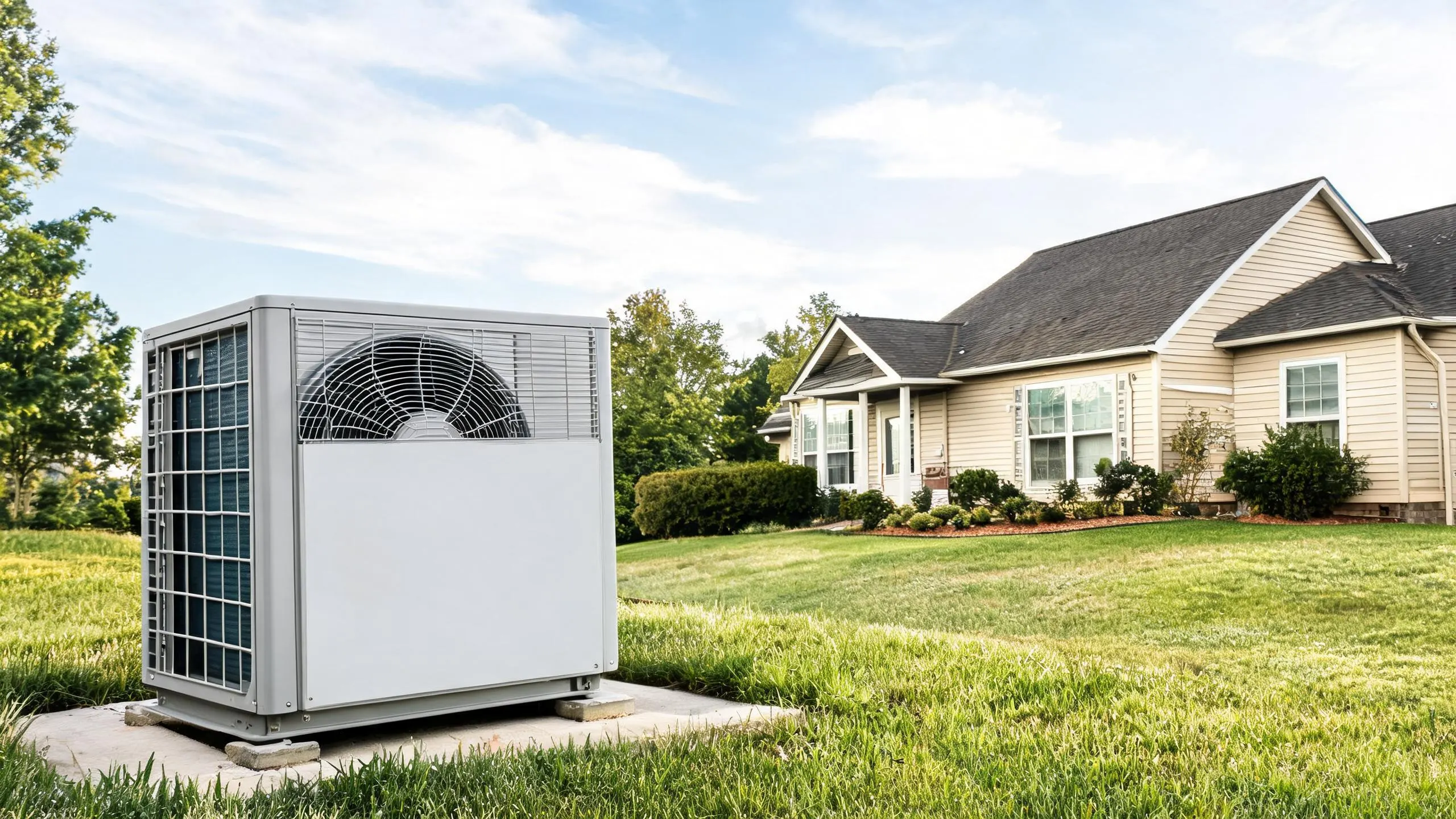





An outdoor heat pump unit mounted on a concrete pad in front of a single-story suburban house with beige siding.

Heat Pump Repair in Gainesville, GA

Tell us about the job

Takes about a minute. No obligation.

RepairHeat PumpHall County, GA
Step 1 of 2

What ZIP code is the job in?

Gainesville winters are short and mild, and that matters for a heat pump more than almost anything else. It spends most of the year cooling, not fighting cold, and the cold here rarely runs hard or long. A heat pump works harder in a place with real winters, cycling between heating and defrost for months at a stretch. Here it gets an easier run of it. That means a heat pump acting up in Gainesville is more often a part worn out or a repair put off than a machine worked past what it can handle. Worth knowing before you decide whether to fix it or replace it.

7 months
October through April, your system heats
5 months
May through September, it cools
34°F
the average winter night it heats against
87°F
the average summer afternoon it cools against
Isometric cutaway illustration of a two-room house showing an indoor air handler with ductwork connected by lines to an outdoor condenser unit on a pad.
Your system heats October through April and cools May through September.

NOAA nClimDiv, 1991–2020 normals

Half the homes in Hall County were built in 1996 or later.

A heat pump that came with a house that age usually has years left in it worth repairing.

Hall County sees its share of storms. If the outdoor unit took a hit, acting fine isn't the same as fine.

106 severe weather events from 2015 to 2024
31% of homes statewide lost power a day or more in 2024
78 damaging wind events from 2015 to 2024

October is when heat here switches on for the season, and that first real cold snap is when a weak part finally gets tested. A heat pump that's been quietly losing capacity all summer, or sitting on a failing capacitor, often makes it through cooling fine and then struggles the moment it has to run heat for hours at a stretch. If yours is blowing cool air, short cycling, or not keeping up once the temperature drops, that timing isn't a coincidence. Same story in reverse come May, when cooling starts back up after months of the unit sitting idle. Either changeover is a reasonable time to get a system checked before it's asked to carry a full season.

An easy life here makes repair the right call

A heat pump that gets an easy run most of the year is usually worth fixing when something goes wrong. Get the repair done and keep it going.

Find a contractor
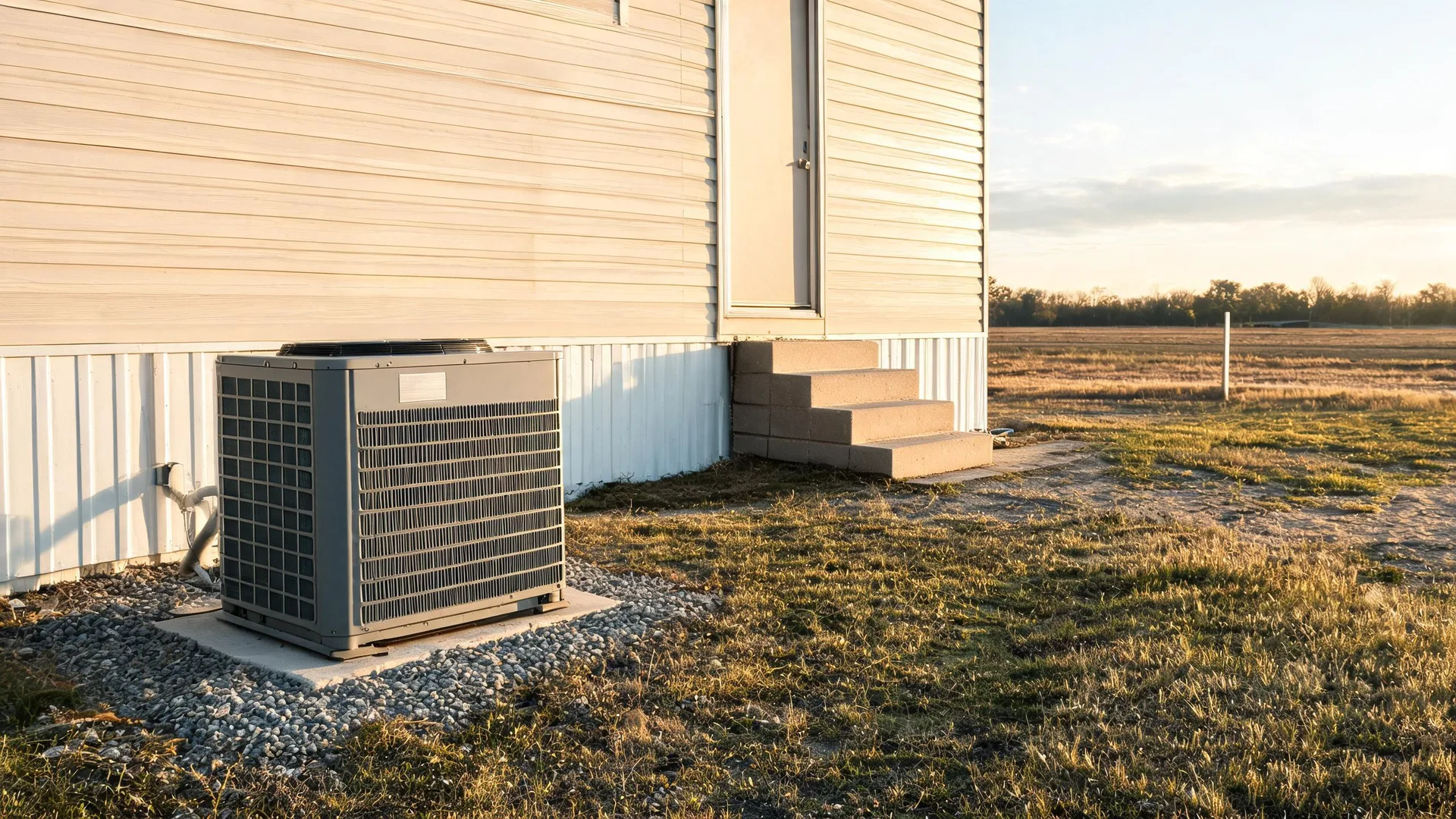
A dark gray heat pump unit mounted on a concrete pad next to a house with gray siding and a stone veneer wall.

Know how old it is before you decide

If your heat pump came with the house, check the paperwork or ask the contractor to pull the model number and date of manufacture off the nameplate. A unit installed new in the last decade or two has had an easy run here and is worth fixing on that alone. Years on a system matter less than what's actually failed, so get a straight answer on the part before anyone talks about replacing the whole thing.

What failed matters more than the fact that something failed

A capacitor or a contactor wears out on its own schedule, and swapping one is routine work for a contractor. A compressor failing is a different problem, since it's the most expensive part in the system and replacing it alone can cost close to what a new unit runs. Ask the contractor what specifically failed before asking whether to repair or replace.
A pattern of repairs tells you more than any single one

A heat pump that's needed a service call every time the weather turns is usually telling you something about the whole system, not just the part that broke this time. A single repair after years of running fine is just a part wearing out, and fixing it is the obvious move. Ask whoever's working on it whether this looks like a one-off or part of a pattern.

A heat pump fails in a handful of predictable ways. The capacitor weakens over time and eventually can't give the compressor or fan motor the jolt they need to start, so the unit hums but doesn't kick on. The reversing valve is what switches the system between heating and cooling, and when it sticks, the heat pump gets stuck doing one or the other, or blows air that's not the right temperature for the mode it's in. Outside, the coil needs clear airflow, and anything pressed against it or caked onto it makes the whole system work harder and run worse. A refrigerant leak shows up as ice forming on the outdoor coil even when it's not particularly cold out. The defrost board and sensor are what tell the unit when to melt that ice off automatically, and when that control fails, the ice just keeps building until the unit can barely move air.

A diagnostic visit starts outside at the unit itself, not with a clipboard. A contractor will check the refrigerant pressures, look at the coil for ice or buildup, and test the capacitor under load rather than just eyeballing it, since a capacitor can look fine and still be weak. Inside, they'll check the air handler for proper airflow and pull any fault codes the board has stored, which often point straight at what failed without much guesswork. They'll also check voltage to the compressor, amp draw on the fan motor, and continuity through the contactor. Most of this takes less time than people expect. A heat pump only fails in so many ways, and a tech who's seen it before knows where to look first.