




A grey heat pump outdoor unit mounted on a concrete pad against the exterior wall of a house with grey siding and stone veneer.

Heat Pump Repair in Thomasville, GA

Tell us about the job

Takes about a minute. No obligation.

RepairHeat PumpThomas County, GA
Step 1 of 2

What ZIP code is the job in?

A heat pump that needs a new capacitor or a new contactor is worth fixing almost every time. Those parts are inexpensive to replace and the rest of the system is usually fine. It gets harder to call once the compressor is failing or the reversing valve is stuck, because those sit at the center of the system and cost more to replace than smaller parts. Age matters too. A unit that keeps tripping breakers or losing refrigerant year after year is telling you the cabinet is wearing out, not just one part in it. If a contractor finds a single clear cause and the unit is otherwise sound, repair it. If they keep finding new problems every time it's serviced, that pattern is worth paying attention to.

5 months
November through March, your system heats
6 months
May through October, it cools
41°F
the average winter night it heats against
91°F
the average summer afternoon it cools against
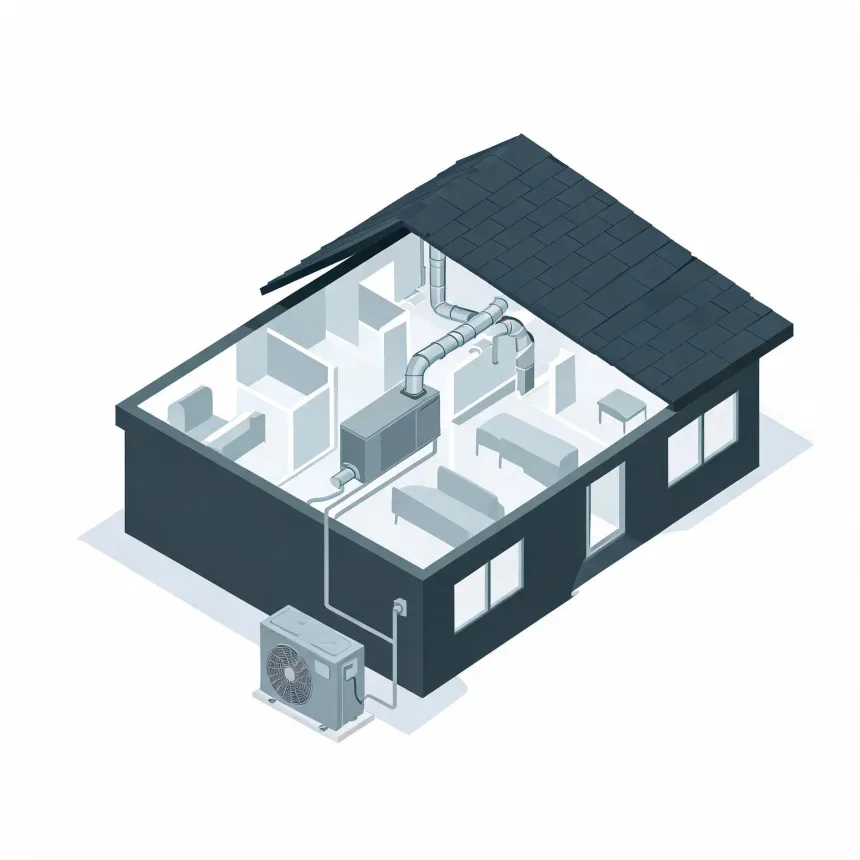
Isometric cutaway illustration of a single-story house showing interior rooms, ceiling ductwork connected to an air handler, and an outdoor condenser unit linked by a line set.
Your system heats November through March and cools May through October.

NOAA nClimDiv, 1991–2020 normals

Thomasville starts running heat in November.

A heat pump with a weak part often makes it through fall fine and then fails in the first cold snap.

Half the homes here were built in 1987 or later

Half the homes here were built by 1987
Power costs 14.08 cents a kWh statewide
Climate zone 2A

Thomas County saw 129 severe weather events between 2015 and 2024, and most of those were damaging wind. That outdoor unit sits outside with nothing between it and the weather. Wind-driven debris bends fins and can crack a fan blade without stopping the unit from running that day. Hail and tornadoes hit the county in that same stretch too, and either one can leave marks you won't see from the kitchen window. A unit that took a hit and kept running will often show the damage later, in a bent coil restricting airflow or a cracked blade wearing out the motor early. If your heat pump has been through a storm, it's worth having someone look at the outdoor unit even if it's still keeping the house warm.

A newer system is usually a fix, not a replacement

A heat pump that's only a few years old is almost always worth repairing. If yours came with the house, a contractor who finds a bad capacitor or a stuck reversing valve can usually just replace it and send you on your way.

Find a contractor
A gray heat pump condenser unit mounted on a concrete pad against the gray lap-siding exterior wall of a house.

Running it longer doesn't mean running it safe

A heat pump that's low on refrigerant still moves heat, just not as much, so it runs longer to get the house to temperature. That extra runtime stresses the compressor, and a compressor that overheats enough times will fail on its own, separate from whatever caused the refrigerant to drop in the first place. A weak capacitor works the same way. It still starts the motor, but with less of a jolt, so the motor draws more current every time it starts. That heat adds up in the windings. A system left running on a failing part isn't holding steady, it's wearing a second thing out while you wait.

Check the thermostat first

Set it to heat and push the temperature well above room temperature. Listen for the outdoor unit to kick on. If the indoor fan runs but you only feel cool air, the system may be stuck in defrost or reverse. If nothing runs at all, check the breaker before assuming the unit itself is dead.
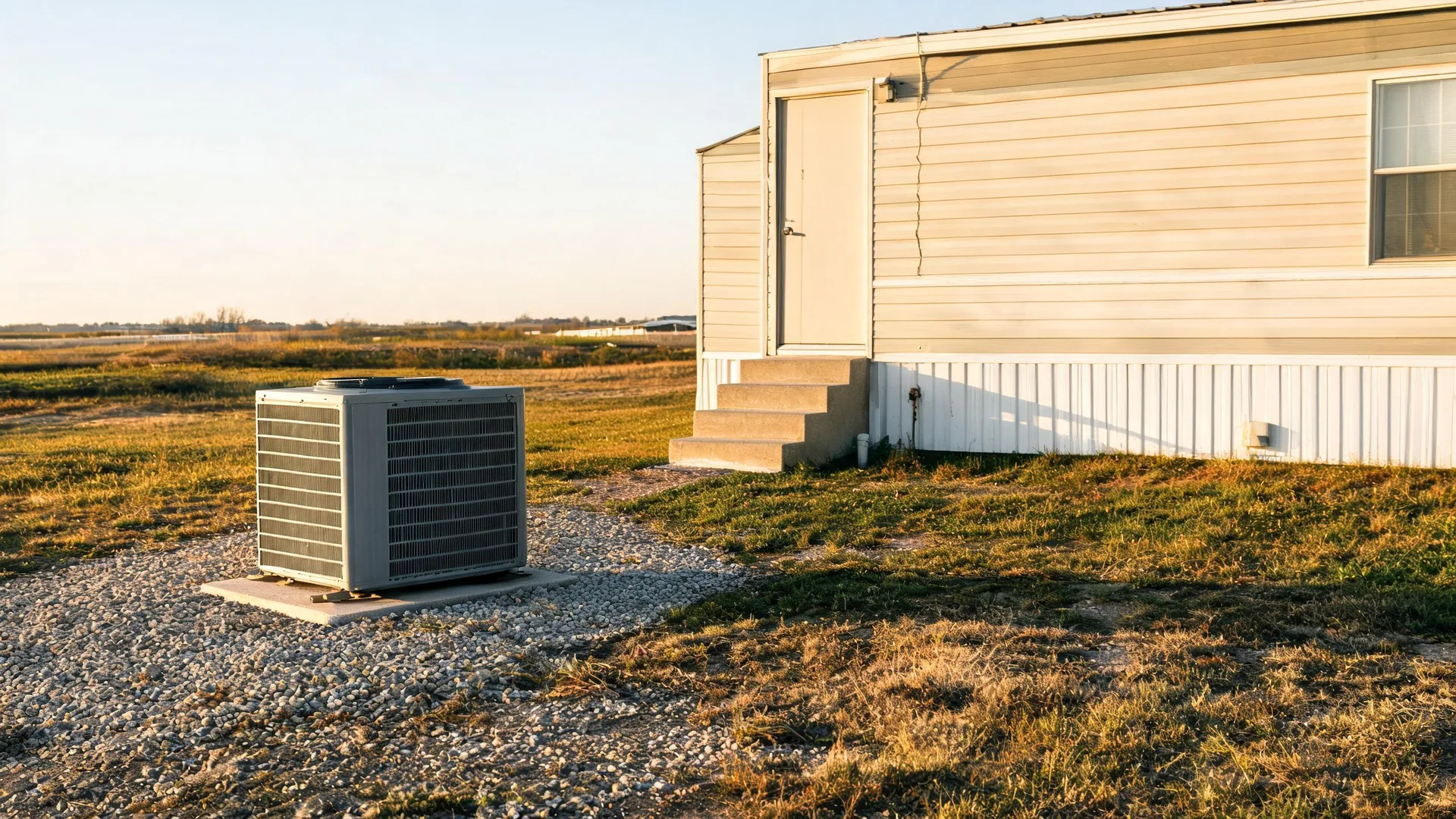
Look at the outdoor unit

Walk outside and look at the coil and fan. Leaves, pine straw or a collapsed panel can block airflow enough to shut the system down or ice it over. Clear anything pressed against the cabinet. If the coil is iced over and it's not actively defrosting, that's a sign to stop running it and get someone out rather than let it keep cycling.

A heat pump in trouble usually tells you in one of a few ways. It blows air that doesn't feel warm, even though the fan is running fine. It runs and runs without the house ever getting to temperature. It short cycles, kicking on and shutting off again within a few minutes, which wears starting parts faster than steady running does. Ice builds up on the outdoor coil and stays there instead of clearing on its own. You hear a new sound, a buzz from the outdoor unit, a clicking that wasn't there before, or the compressor humming but not starting. Any one of these is worth a call. Several at once means don't wait on it.

A diagnostic call starts outside at the unit, not at the thermostat. The tech checks voltage at the contactor, then tests the capacitor to see if it's still holding its rating or has gone weak. From there it's the gauges, reading refrigerant pressures, since a low charge and a failing compressor can look alike until you actually measure them. If the system runs, the tech watches it go through a full cycle, heat mode and defrost, to see whether the reversing valve actually switches when it's told to. Only after narrowing it down to one part does a contractor talk about repair or replacement, because swapping a part before testing it rarely fixes what's actually wrong.