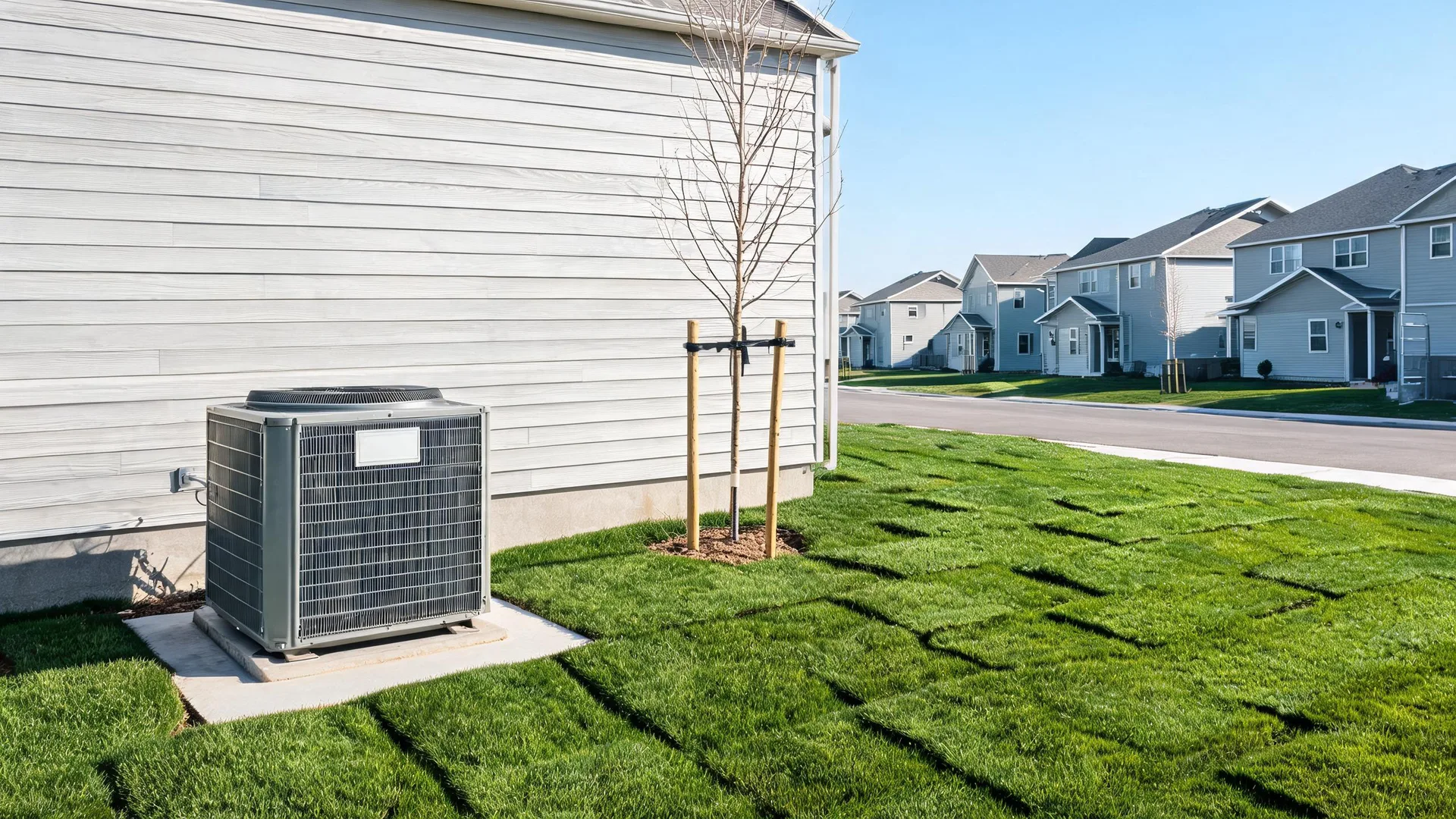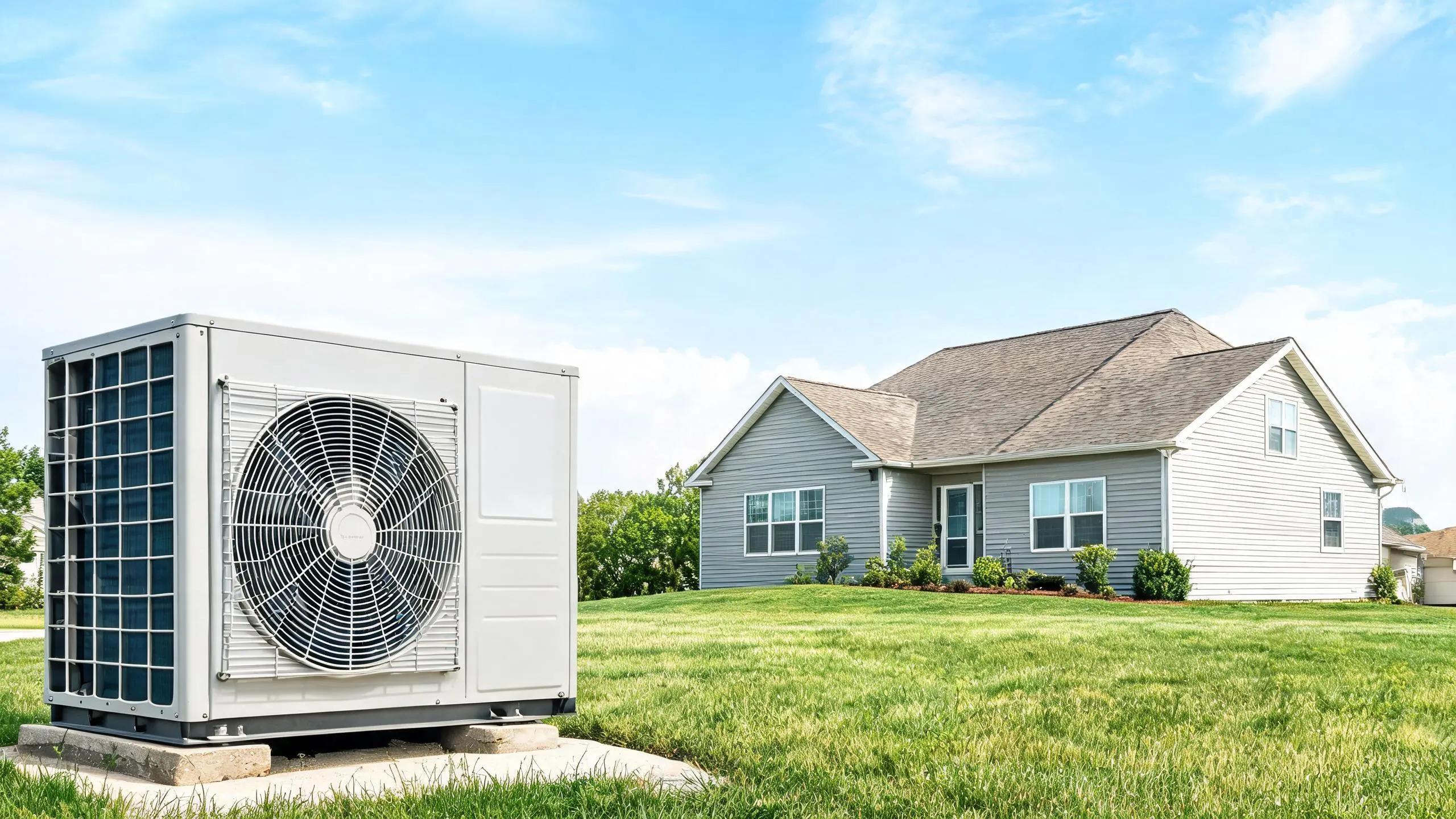
An outdoor HVAC condenser unit on a concrete pad in front of a single-story house with gray siding and a shingle roof.

Heat Pump Repair in Winder, GA

Tell us about the job

Takes about a minute. No obligation.

RepairHeat PumpBarrow County, GA
Step 1 of 2

What ZIP code is the job in?

The reversing valve sticks or fails

The reversing valve is what lets a heat pump switch between heating and cooling. When it sticks, the system can get stuck blowing cold air during a heating cycle, or it short cycles trying to switch back and forth. This part takes a lot of wear because it moves every time the system changes mode, and it's one of the more common reasons a heat pump stops heating properly.


What this means for a repair call

A heat pump that runs but won't heat or cool right is usually not a lost cause. Most of these failures, a bad reversing valve, a low refrigerant charge, a failed defrost sensor, a worn contactor, are repairable without replacing the whole unit. The outdoor unit icing over and not clearing itself is worth a same-week call rather than waiting, since a defrost problem left alone can strain the compressor.

6 months
November through April, your system heats
5 months
May through September, it cools
35°F
the average winter night it heats against
88°F
the average summer afternoon it cools against
Isometric cutaway illustration of a single-story house showing interior ductwork, an indoor air handler and furnace unit, and an outdoor condenser connected by a line, on a white background.
Your system heats November through April and cools May through September.

NOAA nClimDiv, 1991–2020 normals

Winter here is short and mild, so a heat pump in Winder isn't working hard most of the year.

A heat pump under less strain tends to hold up better, so a repair is usually the right call before you think about replacing it.

When a heat pump here is going to act up, it's usually the first cold snap in November or the first hot stretch in May

Cooling runs May through September
Heat runs November through April
Power costs 14.08 cents a kWh statewide

Age and history matter more than any single symptom. A heat pump that's given years of steady service and only now has one part acting up is worth fixing, especially if the compressor itself is sound. The compressor is the expensive part to replace and the one that usually outlasts sensors, valves and contactors, so a failure in those smaller parts doesn't mean the system is done. What changes the math is a unit that's needed a repair every season for a few years running, or one where the compressor itself is starting to fail. At that point you're paying to keep patching a system that's on its way out anyway. A tech who's honest with you will tell you which kind of problem you've got before you spend money finding out.

A newer system is worth fixing, not replacing

Half the homes in Barrow County were built in 2001 or later. If that's your house, the heat pump likely isn't old enough to be worn out. A single part failing, a valve, a sensor, a contactor, is usually a repair, not a sign the system is done.

Find a contractor
A man in a cap, gray long-sleeve shirt and tan work pants carries a worn canvas tool bag up wooden porch steps toward a blue front door, with a potted shrub to the left.
A gray heat pump outdoor unit mounted on a concrete pad next to a residential house with lap siding and stone accents.

A system that hasn't had to fight the weather

Barrow County is zone 3A, a warm climate with a long run of cooling and a short, mild winter. That's most of the year spent idling, not working against real cold. A heat pump that's logged years here has taken less strain than the same unit up north. If yours is acting up now, that counts in its favor. A system that's had it easy is more likely to have one part wearing out than several, and one part is a repair call, not a replacement.

Short cycling or runs without stopping

A heat pump that keeps shutting off and restarting in a few minutes usually has a bad sensor telling it something false, or a dirty filter choking the airflow it needs. One that never shuts off at all is often struggling to reach the temperature on the thermostat, which points to a low charge or a failing compressor. Either pattern is worth a call before it gets worse.

Ice on the outdoor unit or warm air on a cold day

A heat pump defrosts itself on a schedule, so a little frost that clears on its own is normal. Ice that builds up and stays means the defrost cycle isn't kicking in, and that strains the compressor the longer it runs. Air that comes out room temperature instead of warm often means the reversing valve isn't switching the system into heating mode.

Before you call anyone, there are a few things worth checking yourself. Start with the thermostat. Make sure it's set to heat, not cool or fan only, and that the set temperature is actually above room temperature. Next check the air filter. A filter clogged with dust chokes off airflow and can make the system struggle or ice up outside. Go outside and look at the unit itself. Clear away leaves, mulch or anything else blocking the sides, since the outdoor coil needs open airflow to work at all. Check the breaker too. A heat pump that won't start sometimes just needs a tripped breaker reset. None of this fixes a bad reversing valve or a low charge, but it rules out the simple stuff first.

A diagnostic call starts outside at the unit itself. The tech checks refrigerant pressure, looks at the reversing valve, and watches how the system responds when it's told to switch between heating and cooling. Inside, they'll check the air handler, look at the filter, and check airflow off the vents. A lot of this comes down to watching the system run through a full cycle rather than just looking at it sitting still, since a sticking valve or a bad sensor only shows itself when the system tries to do its job. Once the tech finds the part that's failing, they should be able to tell you whether it's a straightforward swap or something that points to bigger wear underneath.