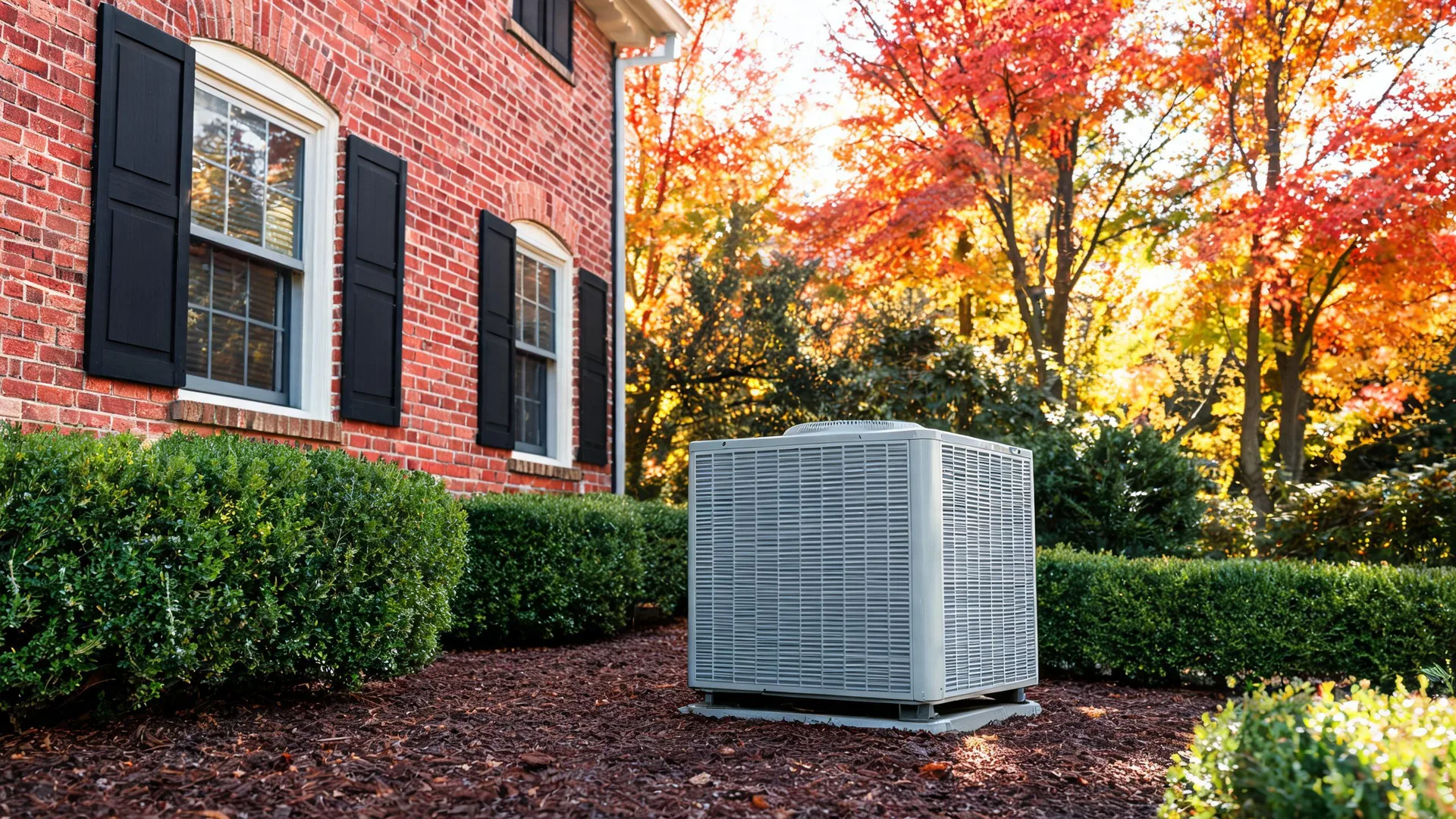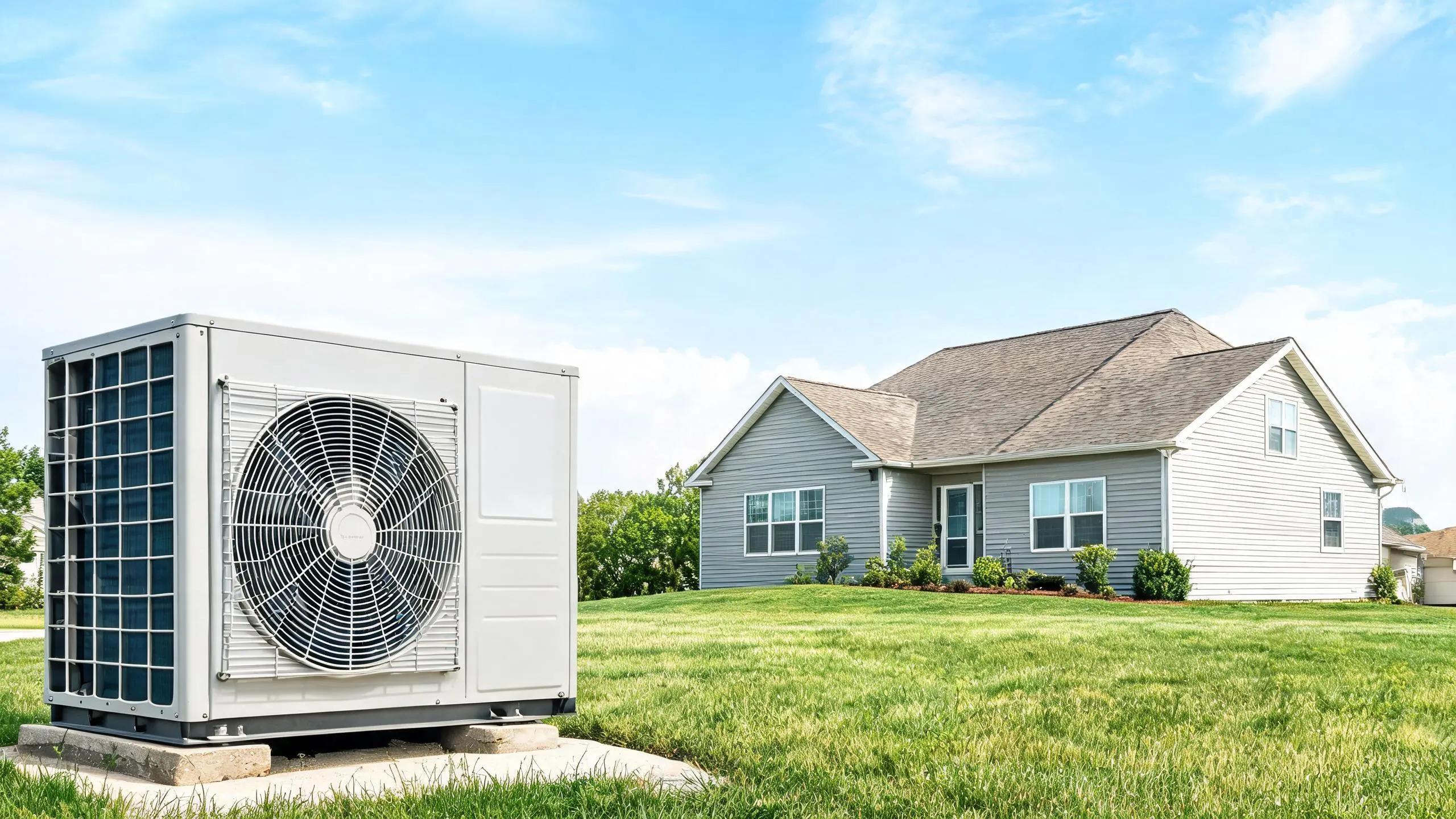
An outdoor HVAC condenser unit on a concrete pad in front of a single-story house with gray siding and a shingle roof.

Heat Pump Maintenance in Douglasville, GA

Tell us about the job

Takes about a minute. No obligation.

Tune-up, service, or cleaningHeat PumpDouglas County, GA
Step 1 of 2

What ZIP code is the job in?

This county sees real storms

Douglas County recorded 141 severe weather events between 2015 and 2024, 122 of them damaging wind. Five hail events and two tornadoes hit in that same stretch, plus six tropical storms or hurricanes. That's the weather an outdoor heat pump unit sits through, season after season.


That means checking the outdoor unit

Wind and hail reach the coils and cabinet of a heat pump sitting outside. Debris blown in during a storm can sit against the unit for months before anyone notices. A maintenance visit is a chance to find that damage before it turns into a breakdown.

Half the homes in Douglas County were built in 1996 or later.

A heat pump that age still has years ahead of it, and a yearly check is what keeps it getting there.

Heat runs six months here, cooling five. Book the check in April and October.

Cooling runs May through September
Heat runs November through April
Climate zone 3A

If your heat pump dates back to when the house was built, a technician can check the things that shorten its life before they do: low refrigerant charge, a dirty coil, electrical connections that have loosened over time. Catching those early is what a yearly visit is for. It also gives you a clear answer on where the unit stands, instead of waiting to find out the hard way during the first cold snap or the first hot stretch of summer. A unit that's only a few years into its working life has no reason to fail early if it's looked at on a regular schedule.

Have the outdoor unit checked before the next storm rolls through

A maintenance visit is where a technician finds storm damage sitting on the outdoor unit, bent fins, debris wedged in the cabinet, a coil that took a hit from hail. That's easier to catch on a spring or fall visit than to discover when the unit won't start.

Find a contractor
A dark gray heat pump unit mounted on a concrete pad next to a house with gray siding and a stone veneer wall.

A heat pump never gets the off season a furnace or an AC gets

A heat pump doesn't get a season off. Switch it to cooling in warm weather and heating in cold weather and it runs both directions, all year, while a furnace or an AC alone only works half that. That means the compressor, the reversing valve and the outdoor fan motor all see more hours of work than they would in a system that rests half the year. More run hours wear parts faster: the contactor pits, the capacitor weakens, the coil collects dirt that makes the whole system work harder to move the same heat. A yearly check catches that wear while it's still minor. Skip it and small problems, a sticking reversing valve, a capacitor on its way out, tend to show up as a breakdown on the day you need the system most.

The reversing valve gets checked both ways

A technician can run the heat pump in heating and in cooling during the same visit and watch the reversing valve switch between them. A valve that's starting to stick can still work most of the time, which is why a homeowner never notices until the day it won't change direction at all.

Refrigerant charge is measured, not guessed

A heat pump low on refrigerant can still blow air and still seem fine standing next to it. The only way to know the charge is right is to connect gauges and measure pressure and temperature at the lines. Running low for months is what wears down a compressor long before its time.

The filter sits upstream of all of it, and a dirty one changes how the whole system runs. Airflow drops, the indoor coil runs colder than it should, and in heating mode the outdoor coil has to work against whatever restriction is choking the system. A coil caked with dust or pet hair can't transfer heat the way a clean one does, so the compressor runs longer to reach the same setpoint. Outside, the coil needs clear airflow through it, which is why grass clippings, leaves and pollen matter even though nobody thinks of them as part of the machine. The condensate drain is the one people forget entirely. It only matters in cooling mode, but a clogged drain backs water up into the unit or the drain pan, and a clogged drain line is one of the most common reasons a system shuts itself down on a hot day. None of these are expensive problems on their own. They're just the kind that get missed until the system stops.

A full tune-up covers more than the refrigerant charge and the reversing valve. A technician checks the electrical side too: the contactor that feeds power to the compressor, the capacitor that gets the compressor and fan motors started, and the wiring connections at the disconnect box, since a loose connection generates heat and that heat damages the parts around it. The thermostat gets checked against what the system is actually doing, because a thermostat reading wrong can short cycle an otherwise healthy heat pump. Drain lines get flushed, coils get rinsed if they're dirty, and the fan blades get looked over for any wobble that points to a bearing going bad. None of this takes long when the system is healthy. It takes longer, and matters more, on a system nobody has looked at in a while.