



What winter actually asks of a heat pump here
Your winter low averages 34°F, and that number matters more than it looks like it should. A standard heat pump starts losing heating capacity below 40°F and often leans on backup heat below about 35°F. Your average night is already below both marks, before any cold snap even shows up.
That sounds worse than it is. About 60 nights a year here drop to freezing or below, under a third of the 180 nights the heat runs. The rest of the season sits in the range where a heat pump does its job without help. And of those 60 cold nights, almost none reach 0°F. The cold here is shallow and short, not deep.
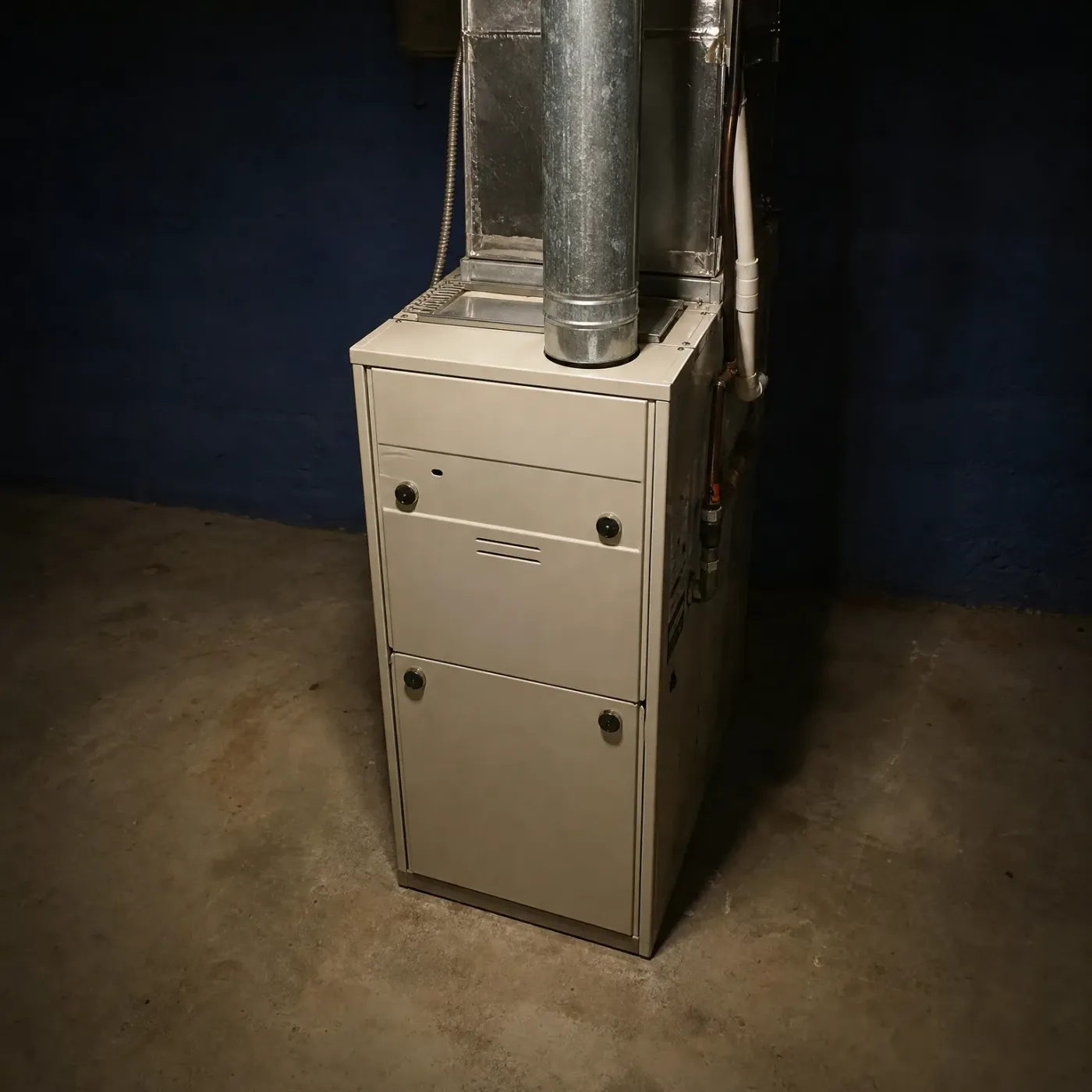
A furnace never has this conversation. It burns gas, makes heat, and the outside temperature doesn't change how it does its job. If you want one system that performs exactly the same on the coldest night of the year as it does in November, that is what a furnace gives you.
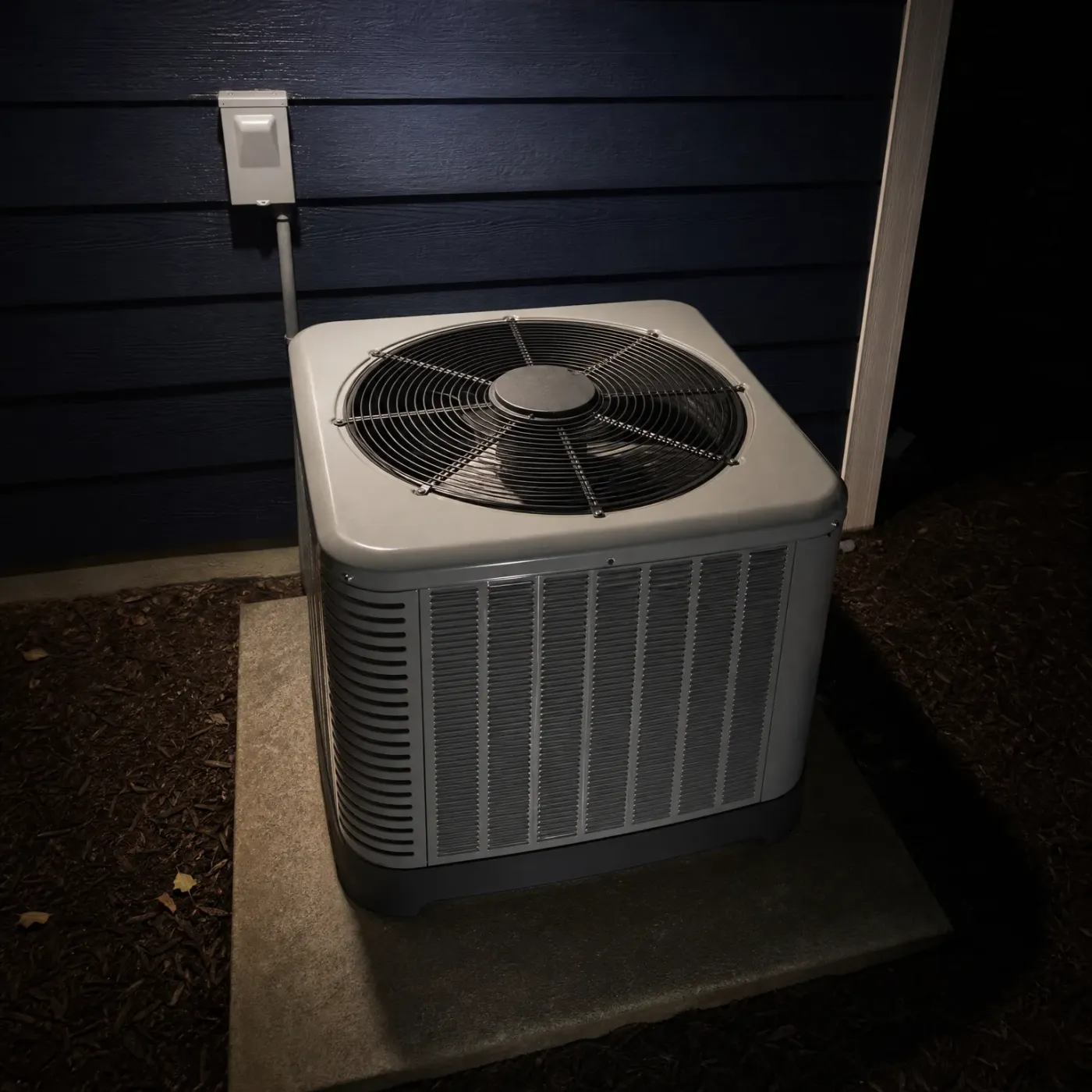
A heat pump built for cold climates is a different machine than the standard one those two numbers describe. To earn that rating it has to prove, under testing, that it still makes 1.75 units of heat for every unit of electricity at 5°F, a temperature this county rarely sees. In field tests of these cold-climate units, backup heat covered only a small share of the output between 0°F and 35°F, and running on backup alone was rare even at 0°F. Your coldest nights don't get near 0°F. A cold-climate heat pump sized right for this county should cover nearly all of what your home needs on its own.