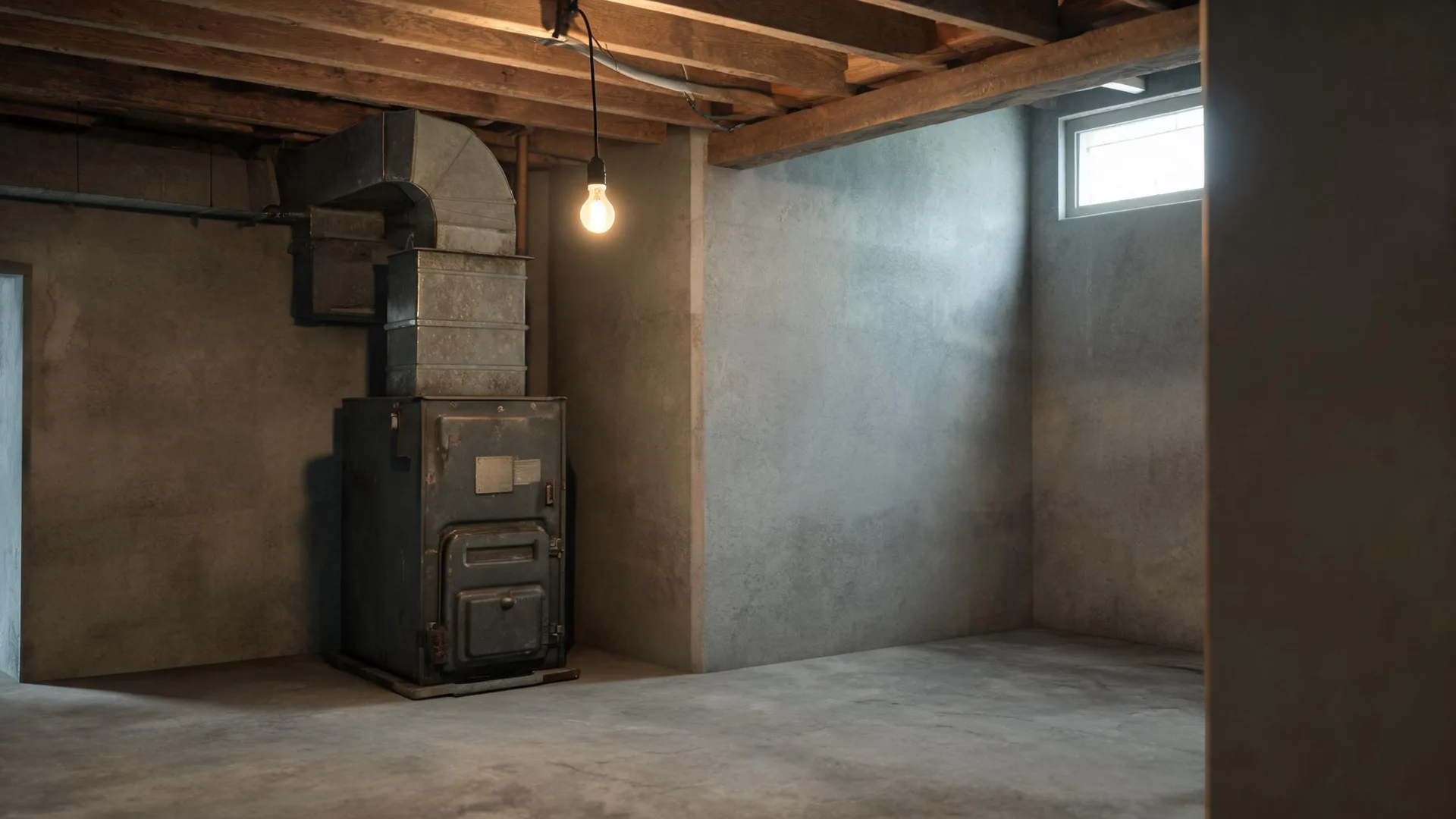
A gray forced-air furnace with metal ductwork stands in an unfinished basement with exposed wooden joists, concrete walls, and a single hanging light bulb.

Furnace Installation in Douglasville, GA

Tell us about the job

Takes about a minute. No obligation.

New system or replacementFurnace or heatingDouglas County, GA
Step 1 of 2

What ZIP code is the job in?

Storms come through often here

Douglas County logged 141 severe weather events over a recent ten-year stretch, and damaging wind caused 122 of them. A furnace installed here should have its venting and outdoor connections set up to hold up under that, not just survive a rare bad night.

The power doesn't always come right back

Close to a third of Georgia households were without power for a full day or more last year. A furnace needs electricity for the blower and controls to run at all, so it's worth asking your installer what your options are for heat when the grid goes down.

6 months
November through April, your furnace is on duty
34°F
the average winter night it heats against
54%
of homes here heat with gas, so most furnaces here burn gas
80% AFUE
the federal minimum any new unit must meet
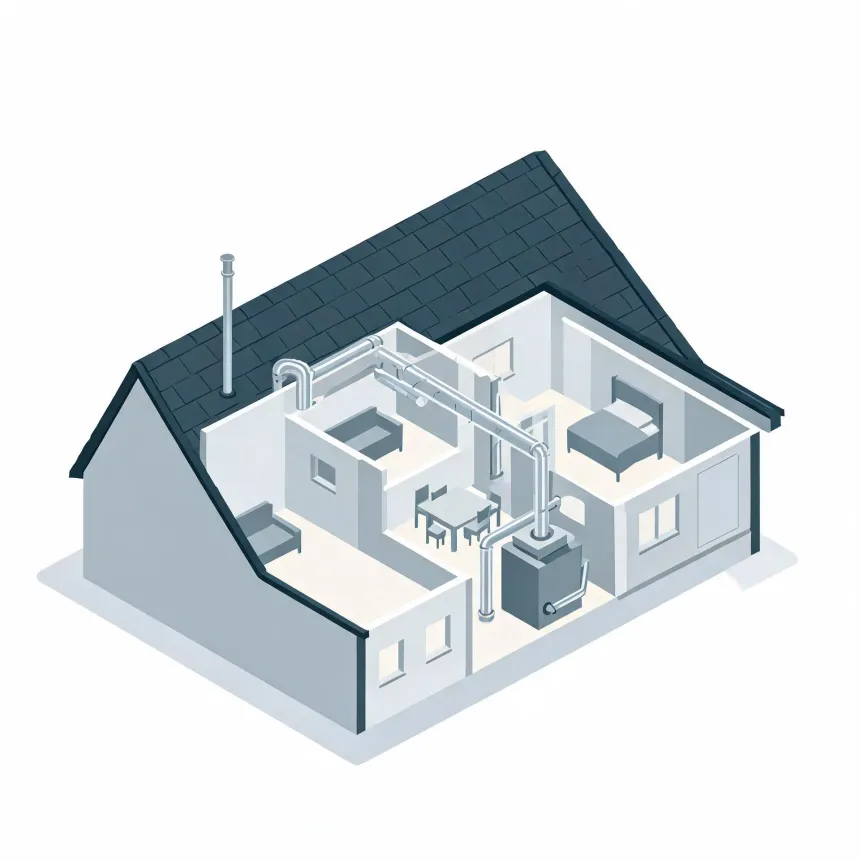
Isometric cutaway illustration of a single-story house with a dark shingled roof, showing interior rooms with furniture and a ducted furnace unit connected to metal ductwork and a roof flue.
Your furnace works hardest from November through March.

NOAA nClimDiv, 1991–2020 normals

Gas heats a little over half the homes in Douglas County.

If your house already has a gas line for the furnace, replacing it with another gas furnace is the straightforward job.

October is the month to get it done, before November cold puts it to work

Heat runs November through April
Winter nights average 34°F
Climate zone 3A
Gas heat here costs less to run than it does in most statesGeorgia gas ran $17.66 per million Btu in 2024, so a furnace's price and reliability matter more here than shaving fuel cost.

Douglasville is zone 3A, warm with a short, mild winter. Any new furnace still has to hit 80 percent AFUE, the federal minimum for a standard gas furnace. That's the bar for units built now. Furnaces built from December 2028 on will have to hit 95 percent instead, so what you install today is held to the lower number. A federal tax credit is available for high-efficiency equipment, worth checking against whatever system you're considering.

Six months of work a year. Build for the nights, not the furnace.

Furnaces here run November through April, and the overnight low averages 34°F through the worst of it. That's not hard duty. A furnace built for this doesn't need to be the highest efficiency model on the lot, it needs to hold up through the storms that knock out power, since that's what actually threatens the heat in your house.

Find a contractor
A man in a cap, navy T-shirt and brown work pants walks up concrete steps toward a blue front door, carrying a worn canvas tool bag with a hammer inside, beside a potted shrub in a blue planter.
A gray residential gas furnace installed in an unfinished basement, surrounded by ductwork, a metal flue pipe, and a gas supply line.

Six months of light work. Buy for the storm, not the sticker.

Pick the furnace on how it holds up, not on the AFUE sticker. A unit a point or two below top efficiency still heats the house fine through six mild months. What matters more is whether it keeps running when a storm takes the power out, since that's the actual risk here. Ask your installer about backup power options for the blower and controls before you decide on the model.

The AFUE number only counts fuel burned

AFUE tells you how much of the gas burned turns into heat in the house versus going out the flue. It says nothing about the blower, the igniter or how long the cabinet lasts. Furnaces with the same rating can still hold up very differently over the years.

A higher number can mean a different kind of furnace

Getting well above the minimum usually means a second heat exchanger and a condensate drain, since the exhaust is cooled enough to pull extra heat out of it. That's a different installation, with a drain line and a condensate pump to maintain, not just a more efficient version of the same unit.

An unfinished basement featuring concrete block walls, exposed floor joists, a bare concrete floor, and a forced-air furnace with a large metal exhaust duct in the corner.

A high-efficiency gas furnace would save about $110 a year to run in Douglas County compared with a gas furnace.

  • A high-efficiency gas furnace$590 a year
  • A gas furnace$700 a year

Estimates for a typical Douglas County home, from EIA household energy data, Georgia fuel prices and NOAA climate normals. Your home will differ.

The old furnace comes out first. If the ductwork or venting has to be disturbed to get it clear, that alone takes a while. Then the new unit gets set in place and the connections get made. Gas line, venting, the supply and return ducts, the condensate line if the furnace needs one, electrical for the blower and controls. Every joint gets checked for leaks before anything is sealed up, especially the gas line. Once it's hooked up, the installer runs it through a full cycle. They check the flame, the temperature rise across the heat exchanger, and the blower speed against what the ductwork actually needs. A furnace that's sized or set wrong will short cycle or run too long trying to reach the thermostat, so this is what catches that before it becomes something you live with. Expect the crew to walk through the thermostat and show you the filter location before they leave.