Carroll County sees its share of storms
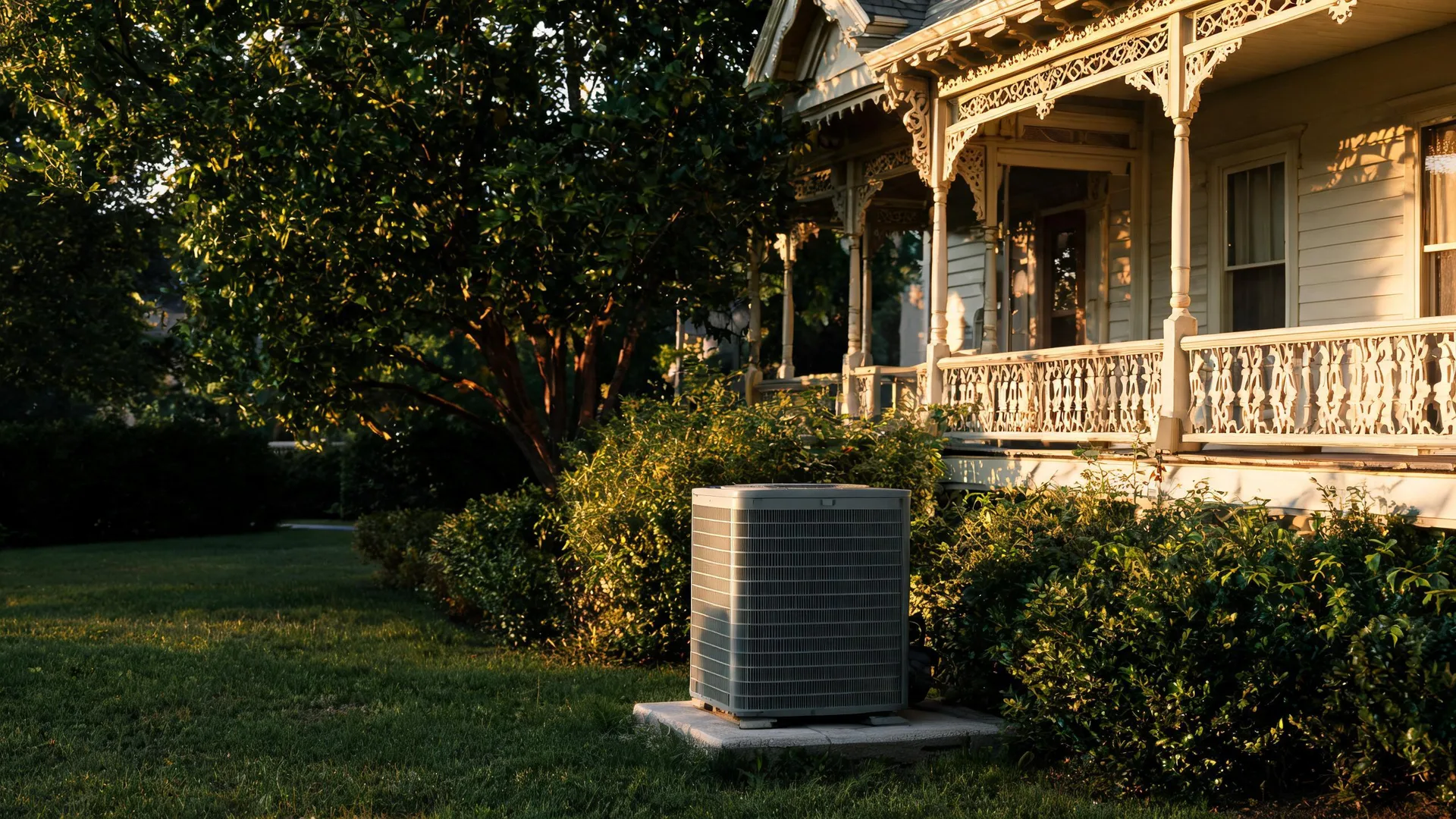
Carroll County logged 102 severe weather events between 2015 and 2024, most of it damaging wind. A heat pump sits outside through all of it, taking wind-blown debris and whatever else comes through.
Takes about a minute. No obligation.
Carroll County logged 102 severe weather events between 2015 and 2024, most of it damaging wind. A heat pump sits outside through all of it, taking wind-blown debris and whatever else comes through.
Close to a third of Georgia households went at least 24 hours without power in 2024. A heat pump that's clean and running right going into a storm is one less thing to worry about when the power's out and the house is holding whatever temperature it was at.
Carrollton winters stay short and mild, and the heat pump never has to work as hard as one up north.
Less strain means a yearly check is more about catching age and neglect than fixing storm damage from overwork.




A technician checking a heat pump before cold weather sets in can tell you if the outdoor unit took any hits this year. Bent fins slow the coil down. Debris packed against the cabinet blocks the airflow the unit needs to run right. Wind carries both into a yard without any storm actually touching the house. Carroll County saw 87 damaging wind events between 2015 and 2024, along with a handful of hail events, so a clean look at the coil and cabinet is worth the few minutes it takes.
A heat pump that isn't fighting a long winter wears slower, but it still has a coil, a motor, and an outdoor cabinet that sat outside all year. A yearly check before the cold months catches what age and neglect are doing before either one leaves you without heat.
Find a contractorA heat pump installed when the house was built still has most of its working life ahead of it. A yearly check now gives the technician a baseline, what good running looks like for that unit. If something starts to wear next year, the visit after catches it early instead of in the middle of a cold snap.
The outdoor unit needs open space on all sides to pull air through the coil. Grass clippings, leaves and mulch piled against the cabinet make it work harder than it should. Walk out every so often and clear anything stacked against the sides or caught in the fan grille on top.
A dirty filter chokes the airflow across the indoor coil, and that's the part of this machine actually meant to be handled by the homeowner. Check it monthly and swap it when it's visibly gray or clogged. Everything else, the refrigerant charge, the coil fins, the electrical connections, is a job for the technician at the yearly visit, not something to open up in between.
Skip enough years and the signs show up slow, so slow that the drop feels normal. The coil gets a film of dust across it and stops giving up heat the way it did when it was clean, so the system runs longer to hit the same setting. A weak capacitor keeps the compressor starting, just rougher each time, until one day it doesn't. Refrigerant that's crept low makes the whole system work harder for less heat and less cooling, and nothing on the thermostat tells you that's what's happening. None of this looks like an emergency while it's building. It looks like an emergency the day the compressor finally quits, usually on the coldest or hottest day it's been asked to work the hardest.
A real tune-up means the technician actually opens the cabinet and checks things the eye can't catch from across the yard. Refrigerant charge gets measured against what the system is supposed to hold, because too little or too much makes the compressor work harder either way. Electrical connections get checked and tightened, since a loose one builds heat and wears out a contactor long before it should fail. The condensate drain gets cleared so it isn't sitting ready to clog the first time it's needed. The reversing valve gets run both ways, because that's the part that switches the unit between heating and cooling, and a valve that sticks shows up as a system blowing the wrong temperature air. None of this is guesswork. It's the technician comparing what the unit is doing against what it should be doing, and writing down the difference before it turns into a breakdown.