
A quick visit checks the obvious
A fast tune-up looks at what's easy to see. Filter in place, thermostat responding, air coming out of the vents. That tells you the unit runs. It doesn't tell you what's wearing out inside it.
Takes about a minute. No obligation.
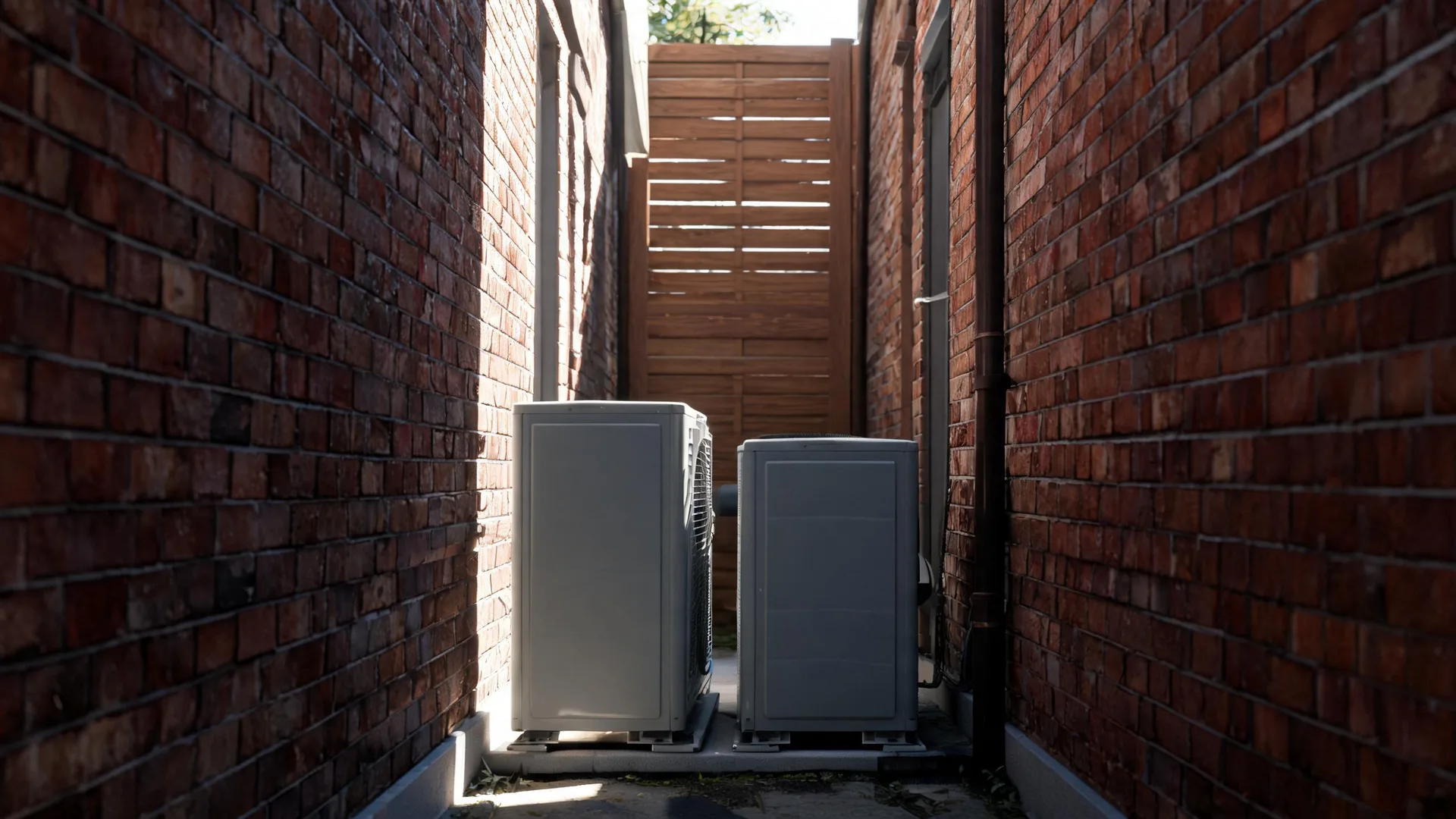
Bulloch County saw 174 severe weather events between 2015 and 2024, most of it damaging wind. Your heat pump's outdoor unit sits right in the path of that weather, with coils and fan blades exposed to whatever blows through. Wind drives debris into the cabinet, and hail can dent the fins, and either one makes the unit work harder than it should. Power matters too. Most Georgia households that lose power do so for a day or more, and a heat pump needs electricity to run at all. Worth having someone check the outdoor unit for bent fins, debris, or anything loose before the next storm comes through.
Your heat pump switches over and starts working through November weather right away.
October is the month to get it checked, before it has to prove itself.




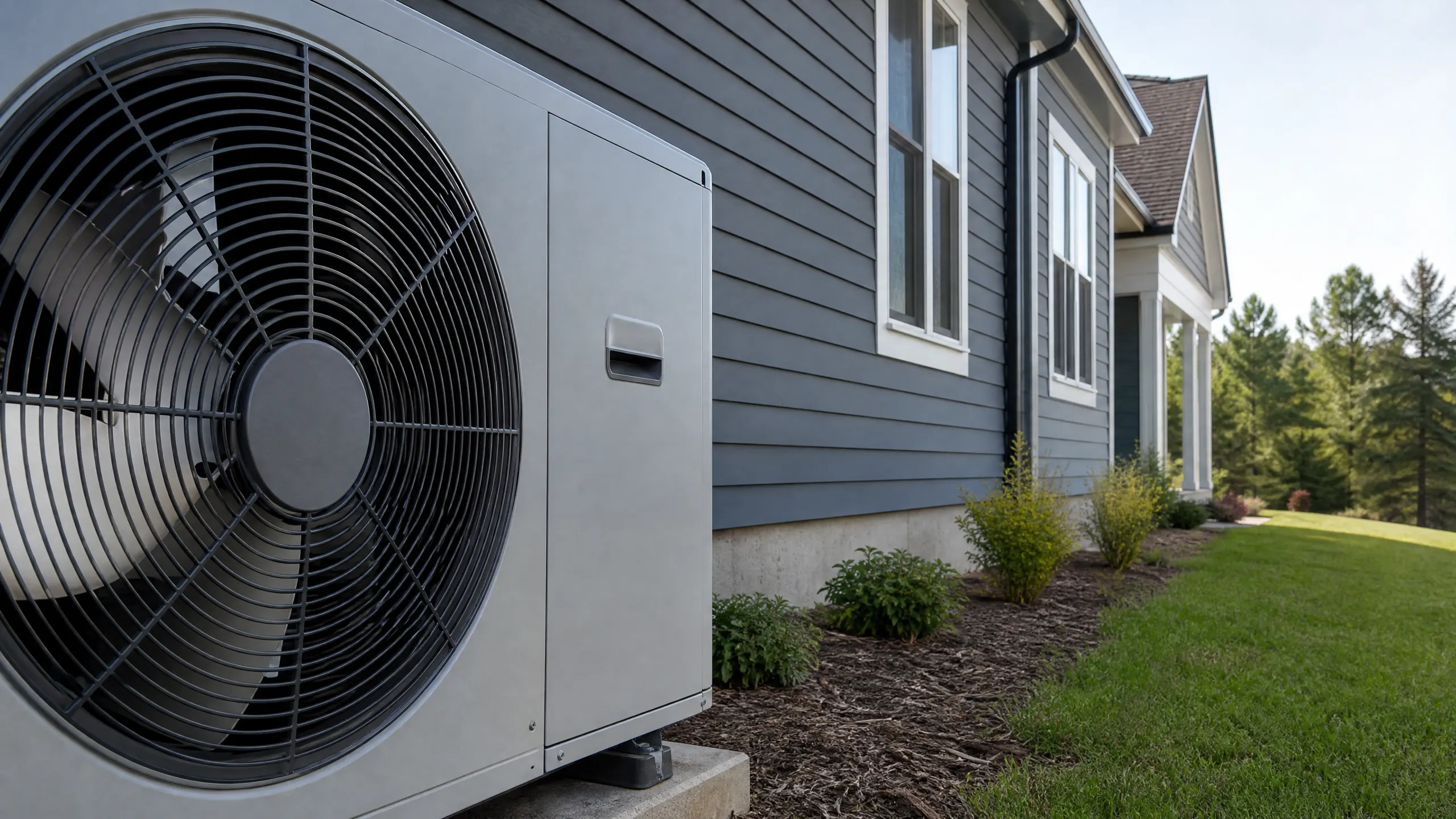
A once over after a storm doesn't take long. A technician can check the cabinet for dents, pull out any leaves or branches caught around the coil, and make sure the fan spins free. Bent fins block airflow across the coil, and the unit has to run longer to move the same heat. If the breaker tripped during an outage, that's worth checking too, since a heat pump won't start on its own if power was cut mid cycle. None of this takes the place of a full service, but catching storm damage early keeps a small problem from turning into a breakdown once the weather turns cold.
Storm season beats up outdoor units here. Have it checked for damage and debris before you need it.
Find a contractor
A heat pump doesn't get a season off. It runs on the hot days, the cold nights, and everything between, switching direction as the thermostat calls for it. The outdoor coil carries the weight of that work, and it's exposed to whatever's in the air around it. Dust and pollen settle into the fins the same way they'd settle on a windowsill, except this surface is supposed to transfer heat, and a coated coil can't do that as well as a clean one. The drain works just as hard. Warm air gives up moisture when it crosses the indoor coil, and that water has to go somewhere. Algae and dust build up in the drain line over time, and a blocked line backs water up into the pan and sometimes past it. A unit that runs year-round builds up grime on a schedule that doesn't pause for mild weather, so the coil and the drain both need checking whether or not anything's gone wrong yet.
A fast tune-up looks at what's easy to see. Filter in place, thermostat responding, air coming out of the vents. That tells you the unit runs. It doesn't tell you what's wearing out inside it.
A real tune-up measures refrigerant charge, checks the capacitor's output against its rating, and tests the contactor for pitting. These are the parts that give out before anything looks wrong from outside. Catching a weak capacitor now means it doesn't strand the compressor later.
Between visits, the filter is the one thing worth checking yourself. A dirty filter chokes airflow across the indoor coil, and a heat pump starves for air faster than a furnace does because it moves air all year, not just in winter. Look at it once a month and swap it when it's gray instead of white. Outside, keep the area around the unit clear so nothing blocks the coil. Grass clippings, leaves, anything piled against the cabinet forces it to work harder to pull air through. Inside, make sure nothing is stacked on top of or against the vents and returns. Past that, leave the refrigerant charge and the electrical components to someone with gauges and a meter. Opening the cabinet yourself risks more than it fixes.
A real tune-up on a heat pump means working both the indoor and outdoor sides, since it's one system moving heat in both directions. Outside, that's checking refrigerant charge against what the unit calls for, since too little or too much makes the compressor work harder either way. The reversing valve gets tested too, since that's the part that switches the unit between heating and cooling, and a stuck valve leaves you heating when you want cooling or the other way around. Inside, the technician checks the blower motor and clears the indoor coil, since a dirty coil can't pull heat out of the air as well as a clean one. Electrical connections get tightened, because a loose connection heats up over time and that heat wears out whatever it's touching. The defrost cycle gets checked last, since a heat pump has to melt frost off its outdoor coil through the winter, and a defrost control that's failing leaves ice building up instead of melting off.