Half these homes were built in 1995 or later
Camden County splits right down the middle there. If your house falls on the newer side, your heat pump is more likely to be original or a first replacement, not something patched together over decades.

Takes about a minute. No obligation.
Camden County splits right down the middle there. If your house falls on the newer side, your heat pump is more likely to be original or a first replacement, not something patched together over decades.
A heat pump running most of the year wears its parts on a schedule, whether the system is new or old. Catching a weak capacitor or a dirty coil early keeps a newer unit running the way it did when it was installed.
A quick visit checks that the system turns on and blows cold or warm.
A thorough one pulls the panel, checks refrigerant pressure, and looks at the reversing valve, because that's the part that fails first on a heat pump and the one a glance won't catch.



A yearly check on a newer heat pump is a short visit, not a teardown. A technician runs the system, checks refrigerant charge, and looks at the reversing valve and the capacitor before any of them show a problem on their own. If your system came with the house, ask when it was last serviced. No record of a check usually means it hasn't had one yet.
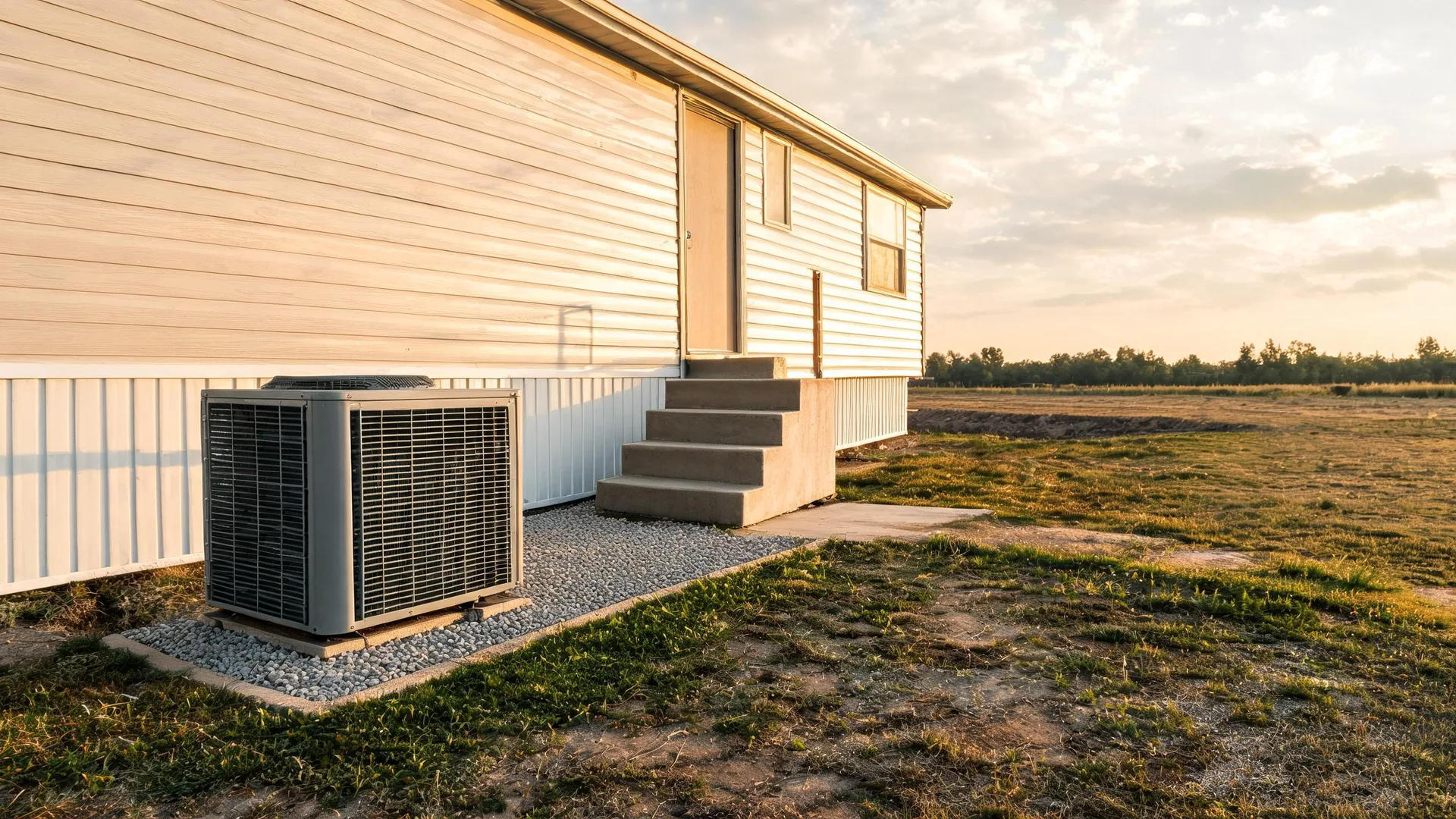
Camden County has logged 83 severe weather events in the past decade, including 47 damaging wind events and 15 hail events. Your outdoor unit sits outside through all of it. A yearly check is a good time to look it over for bent fins, hail marks, and debris caught inside the cabinet before the next storm finds the problem for you.
Find a contractorRun the system for a few minutes and you can tell it switches on. You can't tell from the thermostat whether the reversing valve shifts cleanly between heat and cool, or whether the contactor points are pitted from months of cycling. A technician opens the cabinet and watches the valve actually move. They check the suction line temperature against the charge, because a heat pump low on refrigerant will still blow air, just not enough of it to keep up. They pull the capacitor and test it under load instead of guessing from how the fan sounds. None of that shows up from inside the house. It shows up on the next hot day or the next cold snap, when the part that was already failing finally gives out.
A heat pump that's struggling doesn't usually stop working outright. It runs longer to reach the same temperature, cycles on and off more than it used to, or blows air that's a little cooler or warmer than the thermostat setting. None of that trips an alarm. It just feels like a room that's never quite right, and most people adjust to it before they think to call anyone.
Frost or ice on the outdoor unit outside of a normal defrost cycle is worth a call, not a wait. So is a hissing or gurgling sound from the refrigerant lines, or the outdoor fan spinning but moving less air than it should. Any of these can mean the system is low on charge or the reversing valve is starting to stick, and both problems get worse the longer the system keeps running that way.
Skip the yearly check and nothing fails on day one. The wear is already happening on a system that still seems to run fine. A reversing valve that sticks a little gets used that way for another year, because nothing forces it to seat right. A capacitor that's weakening still starts the compressor, just with more draw and more heat on the windings each time it does. None of that shows up in the house. It shows up as a compressor that locks up on the first real cold snap or the first stretch of real heat, and a compressor is not something that gets patched. Letting small problems run is how they end up replacing the one part a heat pump can't do without.
A proper tune-up covers more ground than the refrigerant and the reversing valve. A technician cuts power, pulls the outdoor cabinet, and clears leaves and grass clippings from around the coil, because airflow across that coil is how the system rejects or collects heat in the first place. They straighten bent fins and check that the unit still has clearance on all sides. Inside, they check the indoor coil and blower wheel for dust buildup, since a coated coil makes the whole system work harder to move the same amount of heat. They check the condensate drain for algae or a clog, because a blocked drain backs up and can shut the system down on its own. They tighten electrical connections at the contactor and disconnect, since a loose connection heats up before it fails outright. All of that work still has to happen before the reversing valve and capacitor get the attention they need, not instead of it.