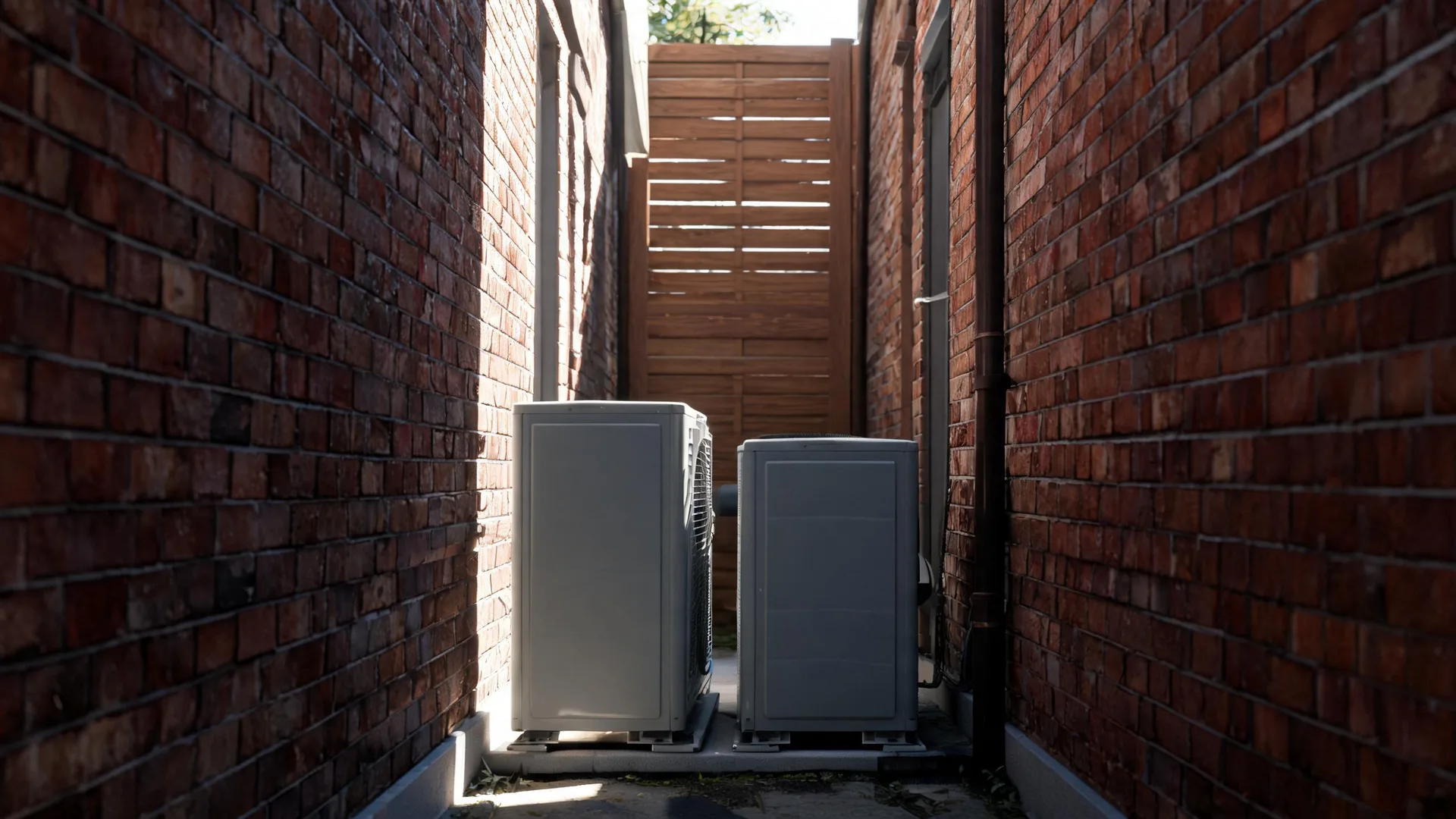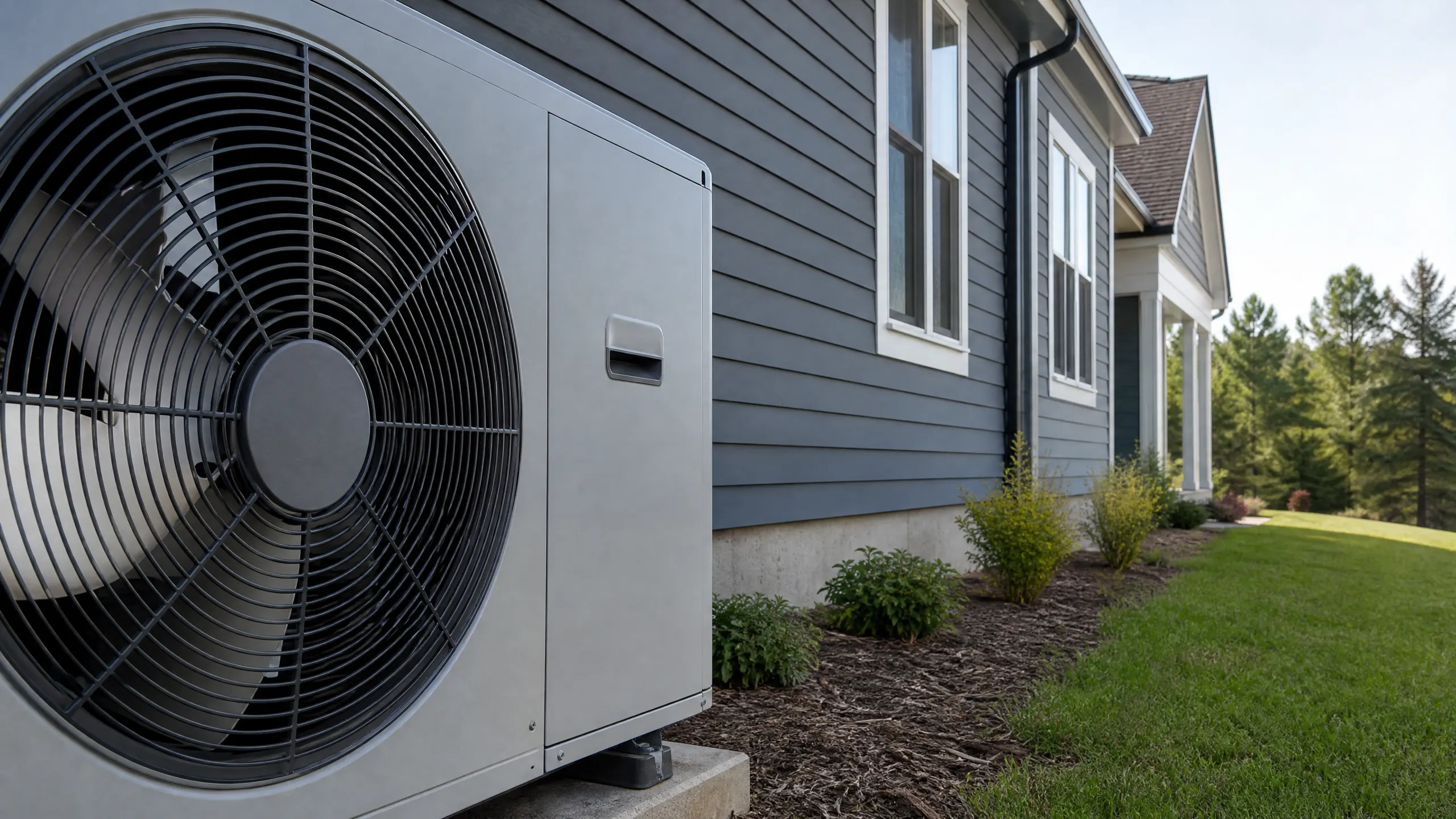
A heat pump outdoor unit mounted on a concrete pad next to the gray-sided exterior wall of a residential house.

Heat Pump Maintenance in Rome, GA

Tell us about the job

Takes about a minute. No obligation.

Tune-up, service, or cleaningHeat PumpFloyd County, GA
Step 1 of 2

What ZIP code is the job in?

Floyd County sees its share of storms

Floyd County logged 115 severe weather events between 2015 and 2024, including 95 damaging wind events, 6 hail events and 3 tornadoes. Tropical storms reached the county twice in that span. An outdoor heat pump unit sits out in all of it, with no wall between it and the wind or the hail.


Power doesn't always come right back

Close to a third of Georgia households went at least a full day without power in 2024. A heat pump needs electricity to run, so an outage means no heat and no cooling until the power is back, whatever the weather is doing outside.

A homeowner can keep the outdoor unit clear of leaves, grass clippings and anything stacked against it.

Airflow around the outdoor unit is what lets it shed heat in summer and pull heat in winter, so keeping the space around it clear is work worth doing between visits.

One heat pump, two jobs a year, running through 95 wind events a decade

Cooling runs May through September
Heat runs October through April
95 damaging wind events from 2015 to 2024

A quick visit means someone glances at the outdoor unit, checks the refrigerant pressure, and leaves. A thorough one means the panels come off. The tech checks the refrigerant charge against what the system actually needs, not just a quick gauge reading, and looks at the reversing valve that lets the unit switch between heating and cooling. They check the contactor and capacitor, since a weak capacitor can leave the compressor straining to start. They clean the outdoor coil, not just hose it off, because a coil caked with dirt can't shed or pull heat the way it should. Indoors, they check the blower wheel for dust buildup and look at the auxiliary heat strips, since those take over when the heat pump can't keep up alone. A tune-up that skips the indoor half only looked at part of the system.

After a storm, check the outdoor unit before you need it

Wind and hail have gotten to Floyd County outdoor units before, and a tune-up catches what that leaves behind. A tech can check the coil and cabinet for damage, clear out anything that blew in against the unit, and confirm the refrigerant charge is still right. Better to find a bent fin or a cracked line now than find out during the next outage.

Find a contractor
A man in a cap, dark long-sleeve shirt, tan work pants and boots walks up wooden porch steps toward a teal front door, carrying a canvas tool bag with hand tools.
A gray heat pump condenser unit mounted on a concrete pad against the gray lap-siding exterior wall of a house.

What's wrong doesn't always look wrong

A heat pump switches direction every time the seasons turn, and the reversing valve that does that job doesn't fail all at once. It starts sticking partway, or it stops sealing fully, and the unit still runs. It just runs worse: longer cycles, less heat or cooling than it should put out, a compressor working harder than it needs to. None of that shows up by looking at the outdoor unit from across the yard. Refrigerant charge works the same way. A system that's lost some charge still blows air, so there's no obvious sign, but the compressor is working outside the range it was built for every time it cycles on. A tune-up catches both before they turn into a compressor that won't start at all.

Dirt and dust don't announce themselves

A dirty outdoor coil or a dust-caked blower wheel doesn't make noise or throw a warning light. The heat pump keeps running, just moving less heat than it should, and the compressor and motors work harder every cycle to make up for it.

The compressor pays for everything upstream

A dirty coil, a low charge, a weak capacitor: none of those stop the system outright. They just make the compressor start harder and run longer to do the same job. That's the part that ends up failing, and it's the most expensive part to replace.

A heat pump usually doesn't quit outright. It gives you small signs first, and they're easy to write off. The air coming out of the vents feels cooler than it used to, not cold, just not quite warm enough on the coldest days. The outdoor unit runs longer than it seems like it should, or it cycles on and off more than you remember. You might hear it click and hesitate before the compressor actually starts, which points to a capacitor losing strength. Ice showing up on the outdoor coil outside of a normal defrost cycle is another one worth paying attention to. None of these stop the system from running, so it's easy to let them go, but each one means something inside is already working harder than it should.

A full tune-up follows the refrigerant loop and the electrical side both, because either one can quietly wear down the other. The tech checks line pressures against the charge the system was designed to run, not just whether the unit is blowing cold or warm. They inspect the wiring and connections at the disconnect box and inside the cabinet, looking for anything scorched or loose, since a loose connection heats up under load and eventually fails right there. The condensate drain gets checked too, because a clogged drain backs water up into the unit and the sensors that are supposed to catch that don't always catch it in time. Thermostat calibration matters more on a heat pump than on a straight furnace or AC, since the thermostat is what decides when to bring in auxiliary heat instead of running the compressor longer. Skip any one of these and the system still runs. It just runs with a weak point nobody's looked at yet.