





White plantation-style houses with wraparound porches lit at night, surrounded by Spanish moss-draped live oak trees.

Heat Pump Maintenance in LaFayette, GA

Tell us about the job

Takes about a minute. No obligation.

Tune-up, service, or cleaningHeat PumpWalker County, GA
Step 1 of 2

What ZIP code is the job in?

A heat pump in LaFayette switches over to heat in October and stays on it through April, seven months of the year. It starts earning its keep right away in that first month, so September is the time to have it checked, before it has to carry the house through fall and winter. The same unit flips back to cooling in May and runs through September, five months straight. Whichever direction it's about to work hardest in, the month before is when a tech can still catch a weak part at idle, not after it's been running the load for weeks.

Winters in LaFayette stay mild, so a heat pump here never has to fight hard to keep up.

Less strain means a yearly check is usually catching normal wear, not chasing damage already done.

Most years, nothing here puts a heat pump through anything unusual

73 severe weather events from 2015 to 2024
31% of homes statewide lost power a day or more in 2024
58 damaging wind events from 2015 to 2024

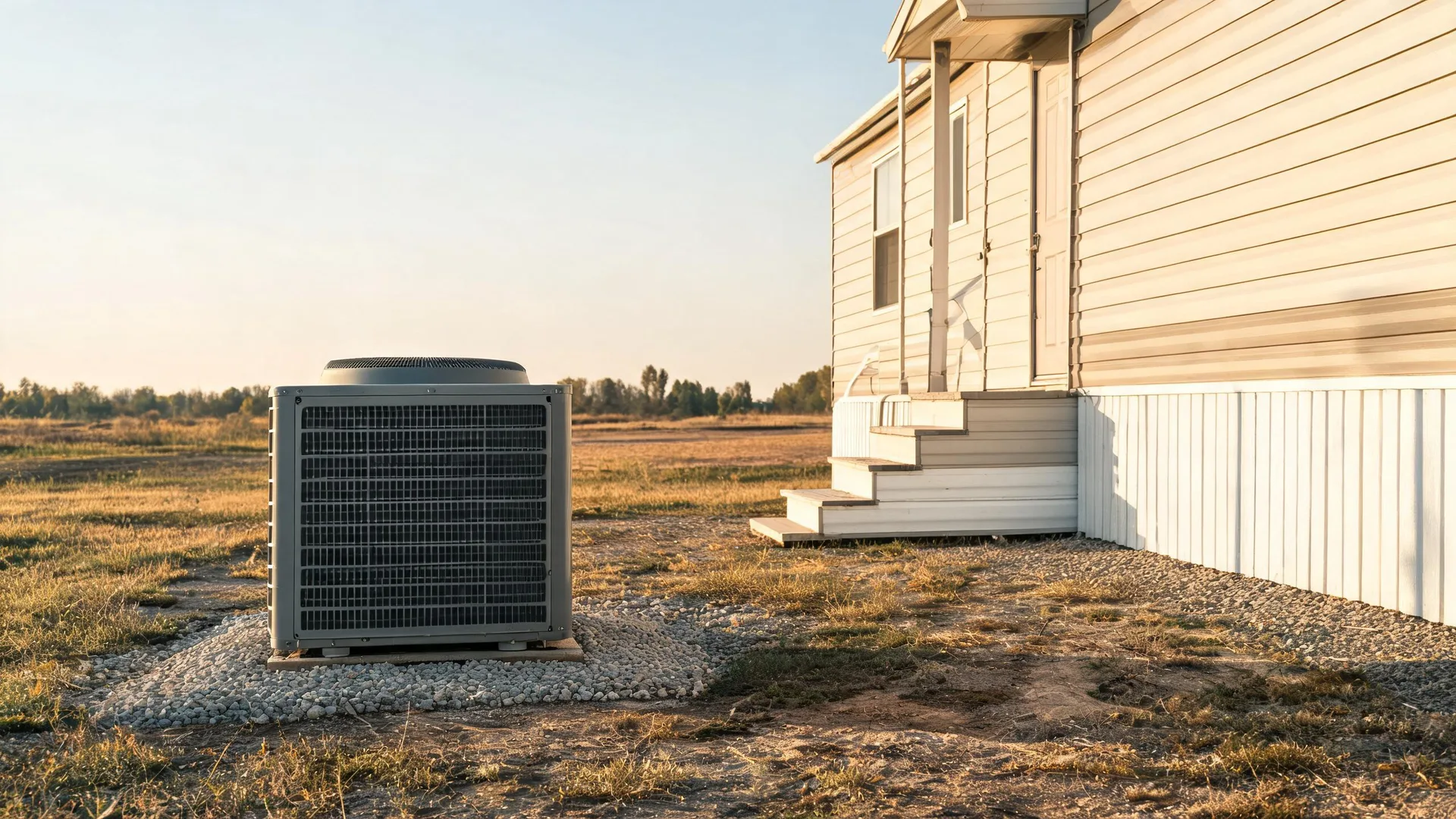
Half the homes in Walker County were built in 1978 or earlier, and half in 1978 or later, so there's no single wiring setup or duct layout a tech should expect walking in. A heat pump doesn't care how old the house is, but what it's hooked up to varies more here than in a county full of similar-aged construction. Mobile homes make up a good share of the county's housing too, and those units often sit on a pad outside with shorter duct runs and different clearances than a house with a basement or crawl space. None of that changes what a yearly check covers. It just means the tech is looking at a different setup from one address to the next, and catching what's normal for that setup before the system has to lean on it.

Keep up the yearly check

Easy duty still wears parts. A yearly check keeps it going a long time.

Find a contractor
A man in a cap, dark shirt and tan work pants, seen from behind, carries a canvas tool bag up steps toward a blue front door beside a potted shrub.
A gray heat pump condenser unit mounted on a concrete pad against the gray lap-siding exterior wall of a house.

What's worth doing between visits, and what to leave alone

A homeowner can keep the filter clean and keep the area around the outdoor unit clear. That's most of it. Swap or wash the filter on a regular schedule, because a clogged one is still the single fastest way to ice up a coil or starve the system of airflow. Walk around the outdoor unit now and then and pull away anything that's piled up against it, leaves, grass clippings, a stray branch. It needs open air on all sides to move heat the way it's built to. Keep the vents and returns inside the house open and unblocked by furniture or rugs, since the system is built around a certain amount of air moving through it, and closing off a room changes that balance for the whole house. Beyond that, leave the refrigerant charge, the electrical connections and the reversing valve to someone with gauges and a meter. Opening the cabinet without the training to read what's inside it usually turns a small problem into a bigger one.

What the gauges show that the thermostat can't

A heat pump can keep answering the thermostat and still be running on a weak charge or a failing capacitor. The only way to see refrigerant pressure or the amp draw on the compressor is to hook up gauges and a meter. Those readings catch a part drifting out of range weeks or months before it gets bad enough for the homeowner to notice anything different in the house.
What gets found by hand, not by eye

A tech pulls the panel and checks things a homeowner never sees. Whether the contactor points are pitted. Whether the capacitor is swollen. Whether the reversing valve shifts clean when it's told to. These parts can look fine and still be close to done. Catching one before it fails means a part gets swapped on a slow day instead of the whole system going down when it's working hardest.

The filter is the cheapest part in the system and the one that does the most damage when it's ignored. Air has to pull through it to reach the coil, and once it's clogged that air slows down. The coil runs colder than it should and starts icing over even when nothing else is wrong. Ice on the coil blocks airflow further, and the system ends up fighting itself. The outdoor coil has its own problem. Dirt and grass clippings sit in the fins and keep heat from moving across them the way it needs to, whether the system is heating or cooling. The condensate drain just carries water away, until it clogs, and then that water backs up into the pan and sometimes past it. None of this is complicated. It just needs to be looked at before it causes the next thing to fail.

A real tune-up starts outside at the unit itself. A tech checks refrigerant charge against what the system is rated for, because too little and too much both make a compressor work harder than it should. The contactor and capacitor get tested, not just looked at, since a capacitor can read weak well before it fails outright. Electrical connections get checked for anything loose or starting to corrode, since a loose connection builds heat over time. Inside, the blower wheel gets looked over for dirt buildup that throws it out of balance, and the coil gets checked for the kind of grime that doesn't show from a glance through the access panel. The reversing valve gets cycled both ways to make sure it actually shifts when it's told to, because a valve that hesitates is a valve getting ready to stick. None of this takes guessing. It takes pulling the covers and testing what's underneath them.