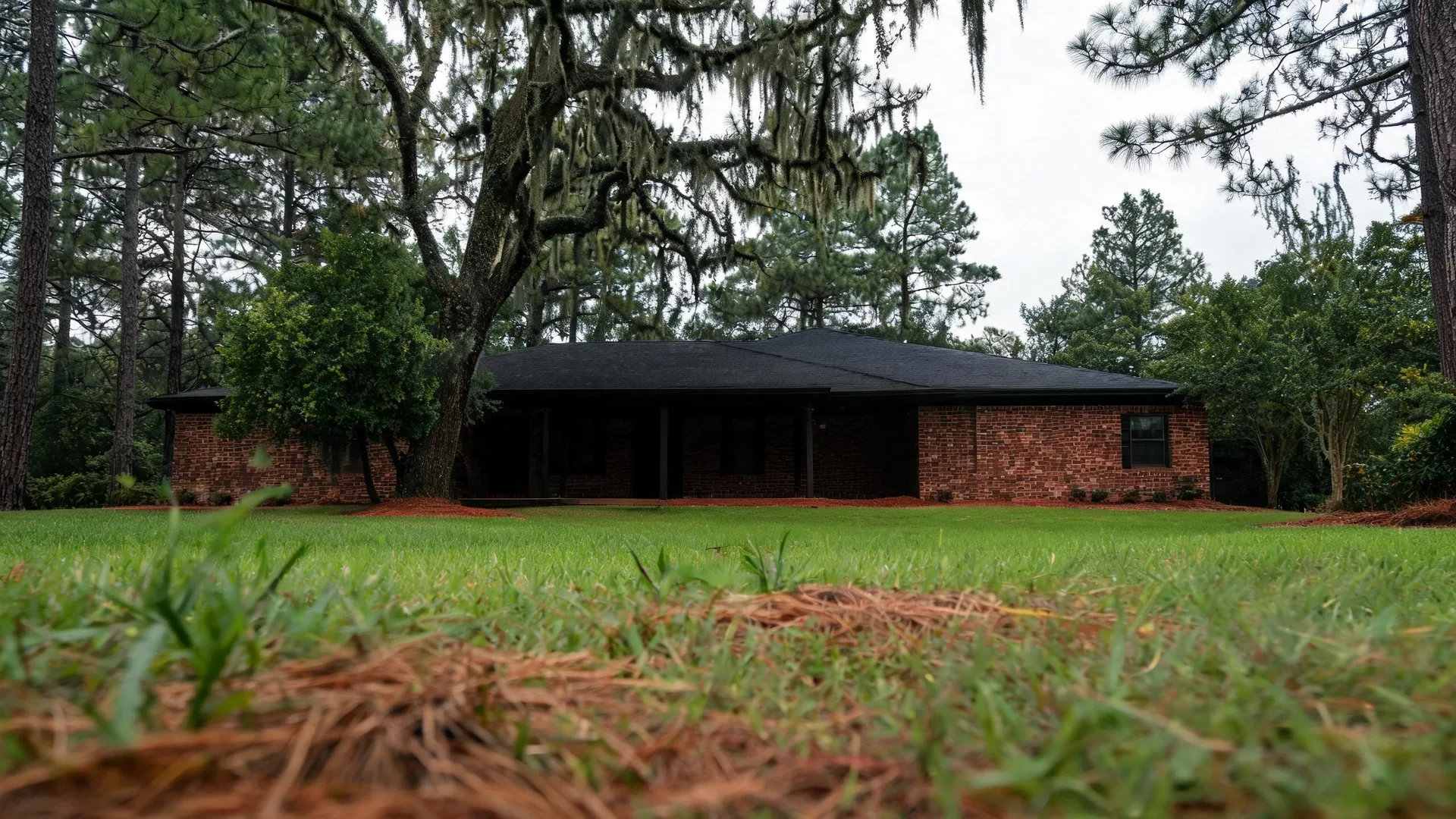




Single-story brick house with a dark shingled roof set behind a lawn and tall pine and moss-draped trees, photographed low to the ground with pine straw in the foreground.

Heat Pump Maintenance in Stonecrest, GA

Tell us about the job

Takes about a minute. No obligation.

Tune-up, service, or cleaningHeat PumpDeKalb County, GA
Step 1 of 2

What ZIP code is the job in?

DeKalb County logged 165 severe weather events between 2015 and 2024, most of them damaging wind. Your heat pump's outdoor unit sits through all of it, exposed to wind-blown branches, grit, and whatever hail comes with a bad storm. A bent fin or a cracked line set won't cause trouble on a calm day, but it leaves the unit in worse shape when the power finally comes back on. Close to a third of Georgia households lost power for a day or more in 2024, and a system already damaged has less margin to work with when that happens.

Half the homes in DeKalb County were built in 1984 or later.

A heat pump that age has plenty of working life left, and a yearly check is what keeps it reaching that.

Heat runs November through April here. Have it checked in October, before it has to work.

Cooling runs May through September
Heat runs November through April
132 damaging wind events from 2015 to 2024

Keep a newer heat pump on track with a yearly check

A newer system still needs a yearly check to get the most out of it. Book one now and have it looked over before the storms and the cold weather both pick up.

Find a contractor
A gray outdoor HVAC unit mounted on a concrete pad beside a house with gray lap siding and a stone foundation.

Between visits, keep the airflow clear

Keep the outdoor unit clear. Leaves, grass clippings, and anything else that collects around the coil block airflow, and a heat pump that can't breathe has to work harder to move the same amount of heat. Walk around it every so often and pull away whatever has piled up against the cabinet. Inside, check the air filter and swap it or clean it when it looks dirty. A clogged filter starves the system of airflow the same way a blocked coil does, and both show up as higher runtime and a system that struggles to keep the house comfortable. Leave the refrigerant, the electrical connections, and anything behind the panels to a tech. Opening that up without the right gauges does more harm than good.

The filter is the one part that's on you

A dirty filter chokes airflow before it ever reaches the coil. The blower has to push harder to move the same air, and in heating mode that strain falls on the same compressor that has to run through a cold snap. Checking it is simple enough to do without a tech, and it's the cheapest thing you can do for the system between visits.
The drain line fails quietly

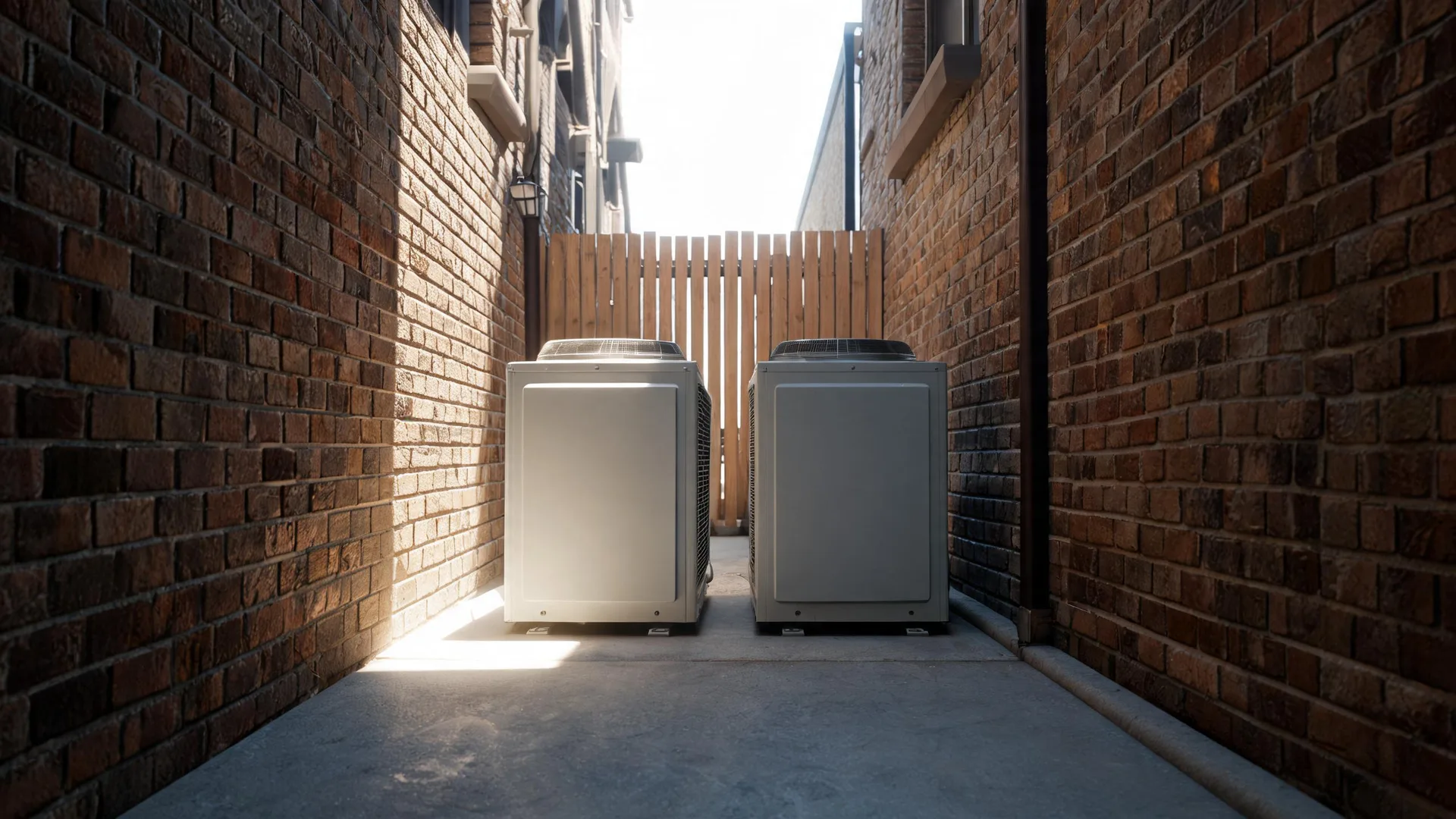
Condensate has to go somewhere, and the drain line carries it out. Algae and dirt build up inside that line over time with no warning before it clogs. Once it backs up, water sits where it shouldn't, and in a heat pump that moment usually comes during the cooling months when the coil is wet most of the time it runs. A tech can flush it during a maintenance visit, which is a lot simpler than dealing with the water after it backs up.

Skip enough maintenance visits and a heat pump doesn't fail outright, it just drifts. The refrigerant charge runs a little low and nobody notices because the system still blows cold, it just takes longer to get there. A coil stays dirty and the compressor pulls harder to push the same heat through it, season after season, with nothing to say so except a system that runs more than it used to. The reversing valve is the part that tends to go unnoticed longest, since a homeowner has no way to check it themselves. If it starts sticking, the unit can get stuck heating when it should cool or the other way around, and that usually shows up as a surprise rather than a warning. None of this announces itself early. It shows up as a compressor working harder than it should for years, and that strain is what shortens how long it lasts.

A tune-up starts with the refrigerant charge, checked against what the system is rated for rather than just glanced at. Too little and the compressor runs longer to move the same heat. Too much and it can flood back into the compressor and damage it over time. The tech also checks the reversing valve, cycling it both ways to make sure it switches cleanly between heating and cooling, since that part fails in ways a homeowner can't see coming. Electrical connections get checked too, because a loose one builds heat at the connection point and that's how terminals burn. The blower wheel gets looked at for dirt buildup, since a dirty wheel moves less air even when the filter is clean. Temperature readings coming off the vents tell the tech whether the system is actually moving the heat it should, which is the one check that catches a problem before it becomes a breakdown.