Storms come through here often
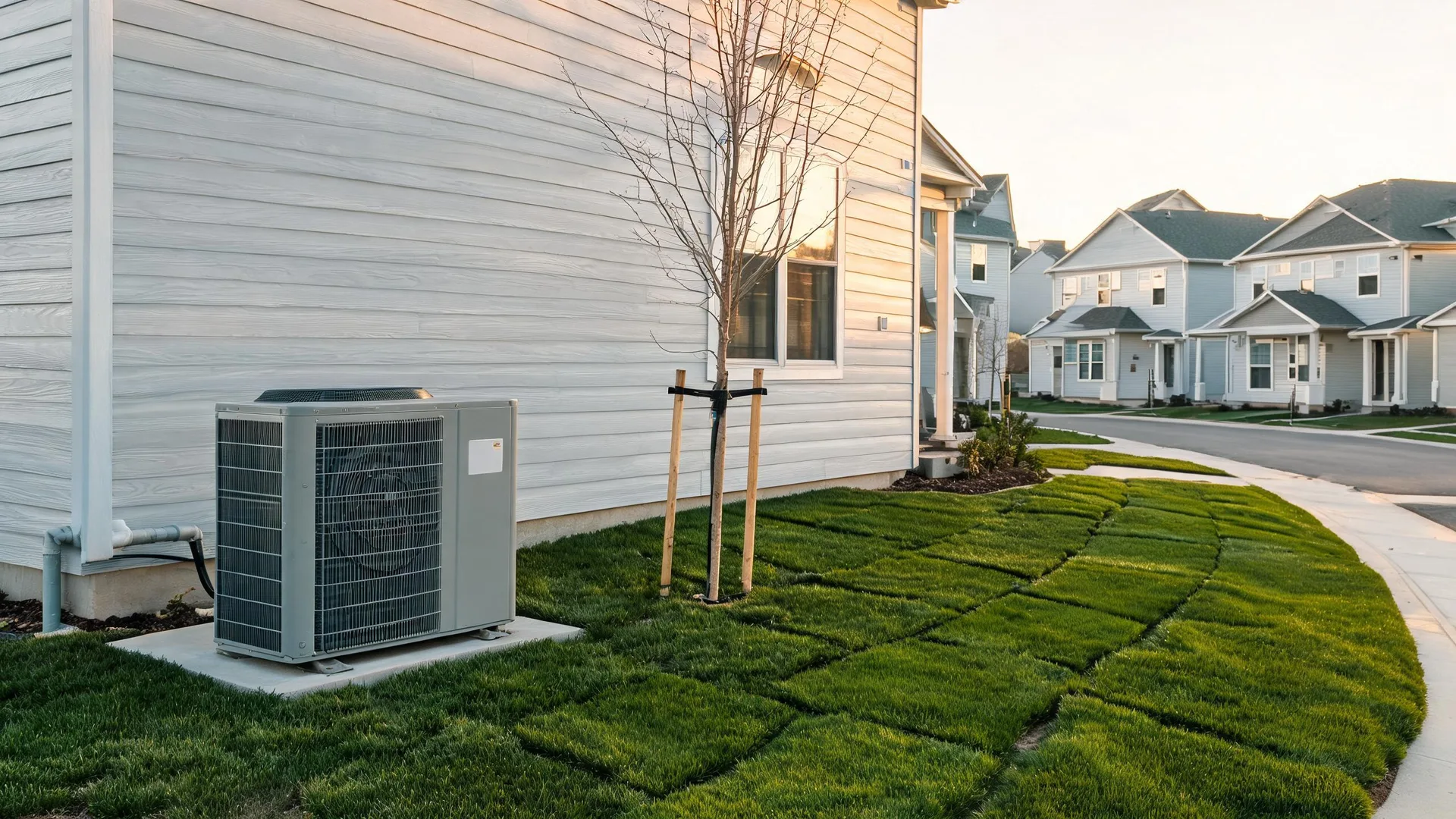
Fayette County had 87 severe weather events between 2015 and 2024, 72 of them damaging wind. Seven were hail. A heat pump's outdoor unit sits outside through all of it, with nowhere to take cover.
Takes about a minute. No obligation.
Fayette County had 87 severe weather events between 2015 and 2024, 72 of them damaging wind. Seven were hail. A heat pump's outdoor unit sits outside through all of it, with nowhere to take cover.
Nearly a third of Georgia households were without power for 24 hours or more at some point in 2024. A heat pump needs power to run either side, heat or cool, so an outage takes down the whole system until it's back.
A heat pump that struggles to restart after a power blip often has a weak capacitor or failing contactor underneath.
A yearly check catches those weak parts on a bench, not during the first cold snap after an outage.




A yearly check is what keeps a newer system newer longer. The contractor tests the capacitor, checks refrigerant charge, and confirms the system restarts clean after a simulated power interruption, the same kind of blip that follows a storm outage here. Catching a weak part now means it gets replaced on a bench, not during the first cold snap or heat wave after the power comes back. If your heat pump came with the house, a yearly check is how you find out whether it's holding up, instead of guessing.
The outdoor unit sits through whatever comes through this county, wind, hail, the occasional tornado, with nothing to get under. Have it checked before the next one finds a loose panel or a worn part, so it turns up on a bench instead of after the power comes back.
Find a contractorThe filter is the cheapest part of this system and the one most likely to cause trouble. Once it loads up with dust, airflow across the indoor coil drops. In heat mode that makes the coil work harder to move warmth through the house. In cool mode a starved coil can frost over, and ice on the coil blocks airflow even more, so the problem feeds itself. The outdoor coil has its own version of this. It sits outside year round collecting leaves, grass clippings and dirt between its fins. A dirty outdoor coil can't shed heat properly when the system is cooling, and it can't pull heat from the air properly when the system switches over for winter. Either way the unit runs longer to do the same job, and parts that run longer wear sooner. Then there's the drain. A heat pump pulls moisture out of the air whenever it's in cooling mode, and that water has to go somewhere. The drain line carries it out, and over time algae and sediment build up inside that line the same way they would in any small drain. A clogged line backs water up into the pan, and from there it can overflow into the cabinet or the space around the indoor unit. None of these three failures announce themselves. A dirty filter, a caked coil and a clogged drain all just make the system work harder and quieter, right up until something gives out.
A heat pump switches direction between heat and cool using a reversing valve, and it's built to shift back and forth all year. Skip maintenance and a valve can stick without ever throwing a code. It still runs, just stuck heating or stuck cooling until someone tries to use the other mode and nothing happens.
A heat pump that's low on refrigerant doesn't stop working, it just makes the compressor work harder to move the same amount of heat. That extra strain shows up as wear long before it shows up as a breakdown. By the time the compressor actually fails, the charge has usually been low for a long time.
A thorough tune-up means the panels come off, not just a glance at the thermostat. The tech pulls the outdoor cabinet open to check the capacitor under load, not just by eye, because a capacitor can look fine and still fail under draw. Refrigerant charge gets checked against what the system actually needs, not topped off by guess. The reversing valve gets cycled both directions to confirm it shifts clean, since a valve can sit fine in one position and still be stuck. The condensate drain gets checked for flow, not just checked for a clog in the line you can see. A quick visit skips most of this and moves on once the system turns on and blows air. Air coming out of a vent tells you the system runs. It doesn't tell you the capacitor will hold up the next time power drops out, or that the valve will still switch over in a month. Ask what gets tested, not just what gets looked at.
A tune-up also means someone checks the things a homeowner can't see from the thermostat. The contactor gets inspected for pitting, since that's the part that closes to send power to the outdoor unit and it wears a little every cycle. Electrical connections get checked and tightened, because a loose connection generates heat on its own and that heat degrades the wire and the terminal it's sitting on. The blower wheel gets looked at too. Dust builds up on the blades over time, and a dirty wheel moves less air for the same amount of work, which is a quieter version of the same problem a dirty filter causes. None of this shows up as a warning light. It shows up months later as a system that runs longer, costs more to run, or fails outright on the day it's needed most.