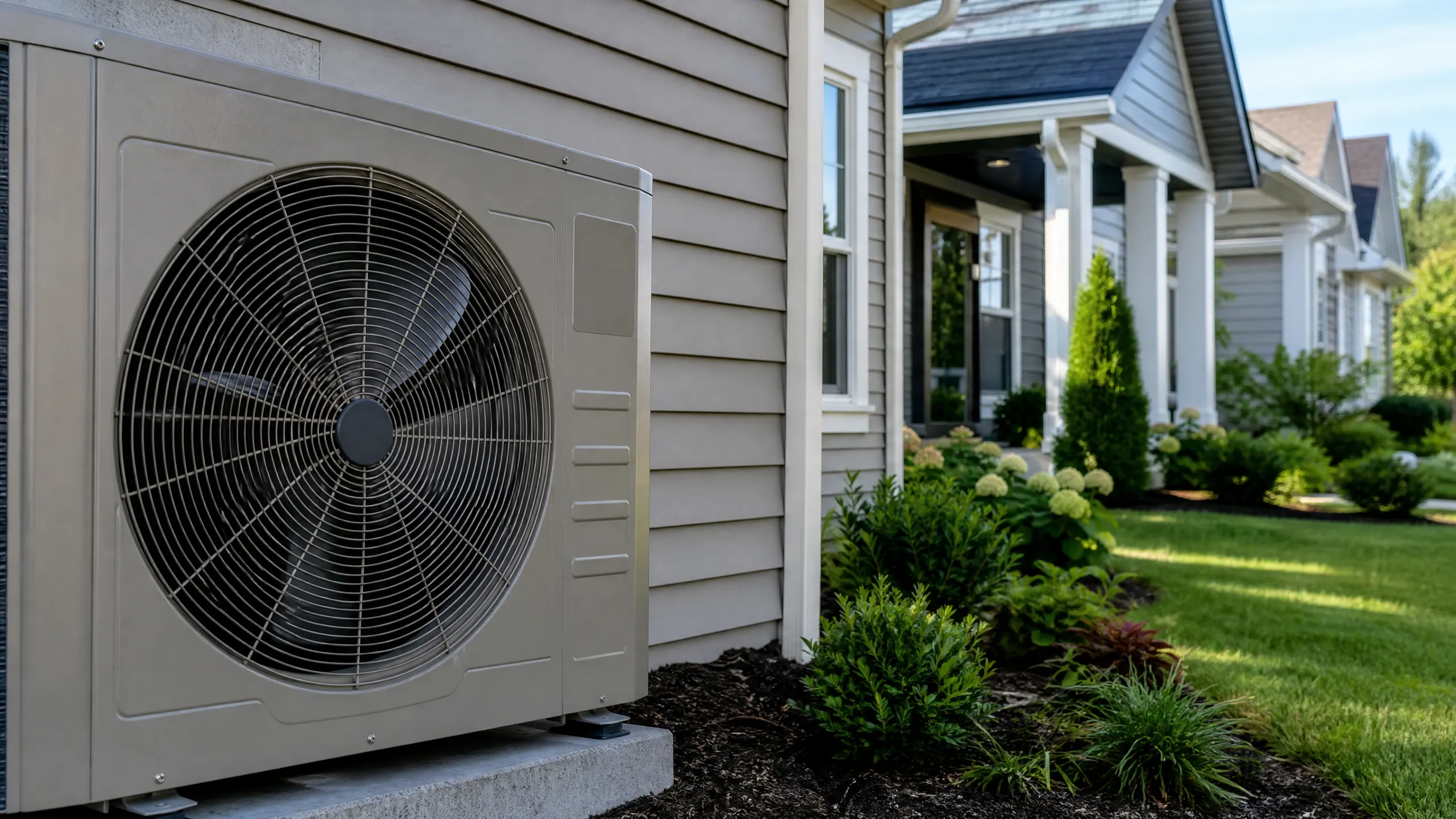
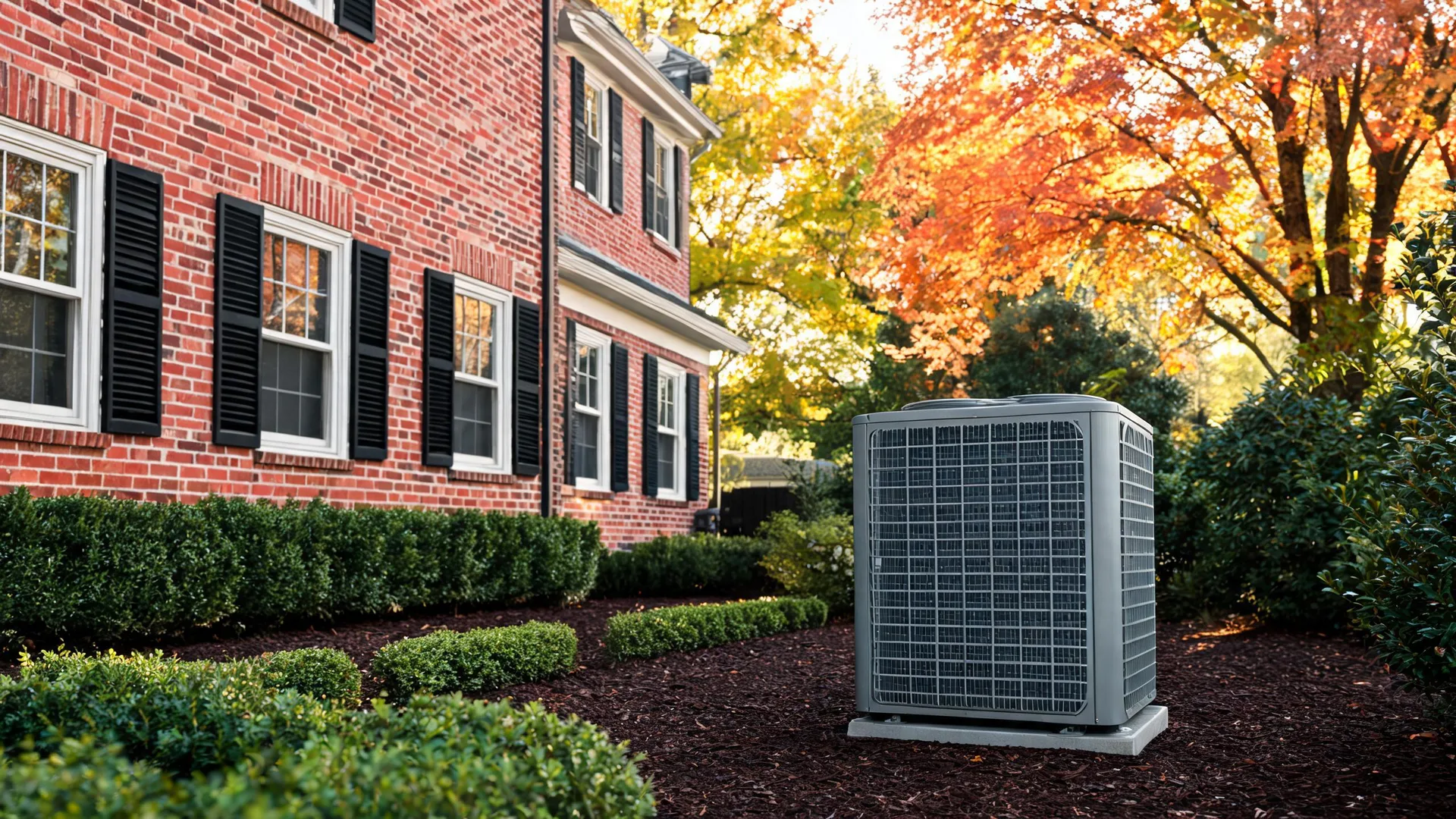
A heat pump in Clarke County runs cooling for most of the year and switches over for a short, mild winter. The summer air here sits heavy, with a dew point that averages 67°F through June, July and August, so the system spends those months pulling moisture as much as it pulls heat. None of that wears the machine out faster than it would wear anywhere else. It just means the unit is working through a long stretch before it ever gets a break. One tune-up a year, timed before that stretch starts, is enough to catch a weak part before it has to carry the whole summer.
A heat pump in Clarke County switches to cooling in May and stays on it through September.
Have it checked in April, so a weak part gets found before that five month stretch starts.
Half the homes here were built in 1987 or later, so a lot of this equipment is still young
Half the homes here were built by 1987Climate zone 3APower here costs 14.11 cents per kilowatt-hour
Nothing here works this machine harder than it works anywhere elseClarke County saw 61 severe weather events between 2015 and 2024, but only 1 was a winter storm.
If your heat pump came with a newer house, it still needs the same yearly check. A young system can run for years without trouble, and a tune-up is how it stays that way. The technician catches a loose electrical connection or a refrigerant charge that's drifted off before either one forces an early replacement. A system that gets checked every year tends to reach the end of its working life still running the way it did on day one.
A skipped check doesn't break the unit. It lets something smaller break it for you.
Skip the yearly check and the first signs show up as small inefficiencies, not breakdowns. A refrigerant charge drifts a little low and the system keeps running, just longer and harder to hit the same temperature. A coil goes a season without a cleaning and airflow across it drops, so the compressor works against more resistance than it was built for. None of this trips a breaker or throws a fault code. It just quietly raises the load on parts that were sized for a lighter one. The compressor is the expensive part to replace, and it's almost always the last part to fail. It fails because something smaller failed first and nobody caught it: a capacitor weakening, a contactor pitting, a reversing valve sticking partway. Caught early, those are a parts swap. Missed, they take the compressor down with them.
The filter is airflow, not air quality
A dirty filter chokes the air moving across the indoor coil. The blower pushes harder to get the same volume through, and in cooling that starved airflow lets the coil drop below freezing, which means ice instead of cold air. In heating, the same restriction makes the system run longer to move enough warm air. A filter is the cheapest part in the system and the one most likely to cause trouble if it's ignored.
The coils and drain decide how hard the rest works
A dirty outdoor coil can't shed heat the way it was built to, so the compressor works against more pressure than it should. A clogged drain line backs water up into the pan, and on some units that shuts the system down on purpose rather than let it overflow into the house. Neither failure happens suddenly. Both show up first as the system running longer to do the same job, which is exactly what a tune-up checks for.
Between visits, the main thing worth doing is looking at the filter. Pull it out, hold it up to a light, and if you can't see through it, it needs to be changed or washed, depending on the type. Keep anything from piling up against the outdoor unit too: leaves, grass clippings, a stack of firewood. The outdoor coil needs open air moving through it on all sides to let the system shed or pull heat the way it's built to. Inside, check that supply vents aren't blocked by furniture or rugs, since that starves airflow the same way a dirty filter does. If you notice ice forming on the outdoor unit during a cooling run, or the system blowing air that feels wrong for the setting, that's not something to watch and wait on. It's worth a call before the next scheduled visit.
A tune-up on a heat pump means hands on the actual parts, not a glance at the thermostat. The technician checks refrigerant charge against what the system calls for, since too little or too much makes the compressor work outside the range it was built for. Electrical connections get checked and tightened, because a loose one generates heat and that's how a contactor or a capacitor starts to fail early. The outdoor coil and indoor coil both get looked at and cleaned if they need it, since a coil caked with dust or grime can't move heat the way a clean one does. The reversing valve gets tested too, since that's the part that switches the system between heating and cooling, and a valve that sticks partway leaves the system running the wrong mode or stuck between the two. Moving parts like the blower motor get checked for wear and lubricated if the design calls for it, since a motor working against resistance it wasn't built for burns out sooner than it should.