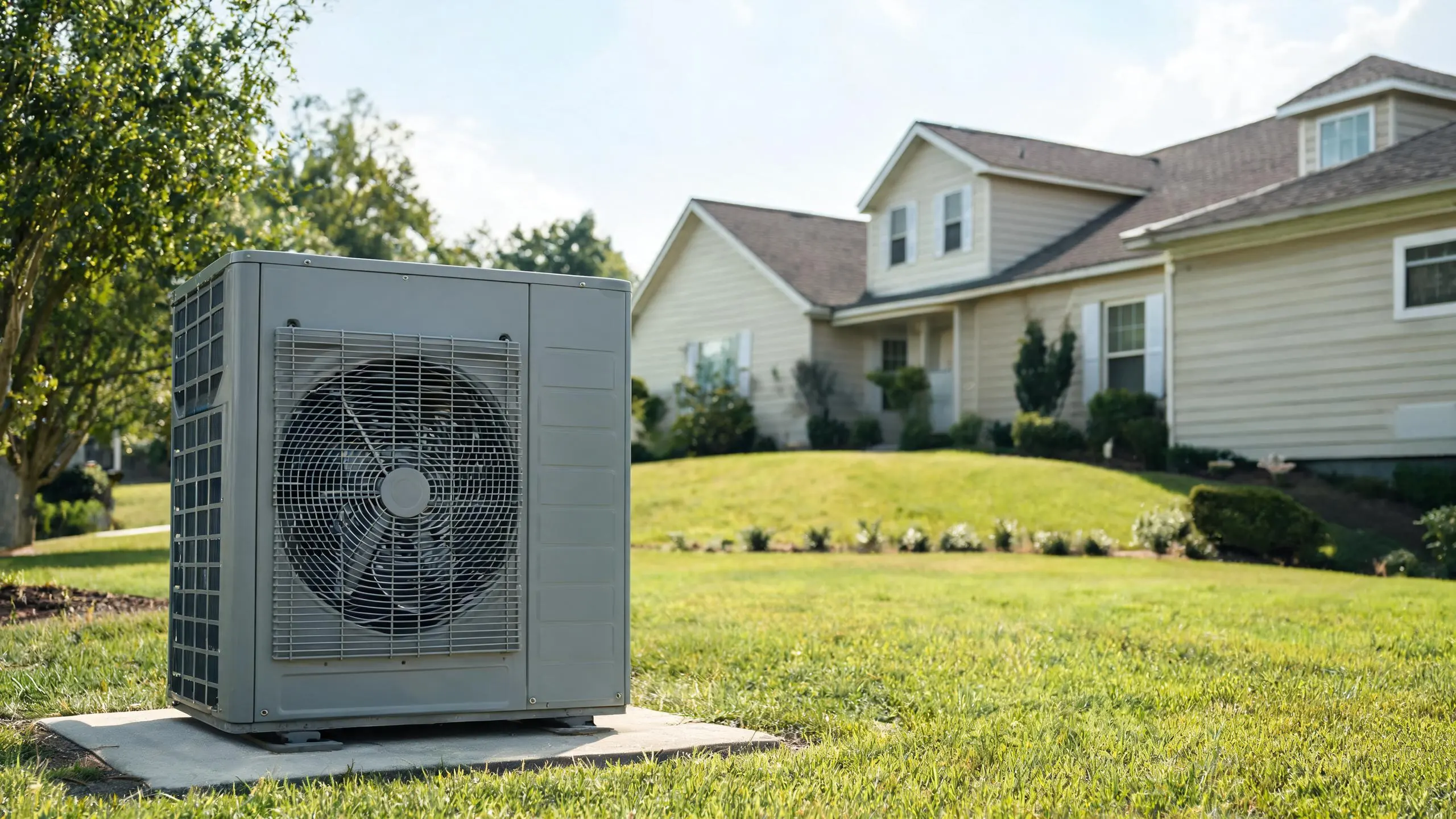




A gray outdoor HVAC condenser unit mounted on a concrete pad in the front yard of a two-story suburban house.

Heat Pump Maintenance in LaGrange, GA

Tell us about the job

Takes about a minute. No obligation.

Tune-up, service, or cleaningHeat PumpTroup County, GA
Step 1 of 2

What ZIP code is the job in?

A quick tune-up checks that the system turns on and blows air. A thorough one takes it apart. The tech should pull the panel and check refrigerant pressure against what the system calls for, not just glance at a gauge. They should check that the reversing valve actually shifts the system between heating and cooling, since a heat pump stuck in one direction can still blow air and pass a lazy inspection. The outdoor coil should get cleaned, not just looked at, because dirt on those fins cuts how well the system moves heat either way. Current draw on the compressor and fan motor should get tested against the nameplate rating, since a motor can run and still pull more than it should. If every visit looks the same no matter the system or its age, that is the quick version.

Half the homes in Troup County were built in 1986 or later.

A heat pump that age still has years ahead of it, and a yearly check is what keeps it on track.

October is tune-up month, because November is when heat has to work

Cooling runs May through September
Heat runs November through March
121 damaging wind events from 2015 to 2024

A heat pump that never gets checked doesn't fail all at once. The coil loses airflow a little at a time as dirt builds on the fins, so the system has to work harder to move the same heat. The refrigerant charge can drift off and nobody notices, because the system still turns on and still blows air. A failing reversing valve can leave the system stuck in one mode while it still seems to respond when you touch the thermostat. None of this trips a breaker or throws an error code. The system just keeps running in a worse state until a part finally gives out, usually on the coldest night of the year.

Keep it in good shape

If your system is fairly new, a yearly check keeps it in good shape for longer.

Find a contractor
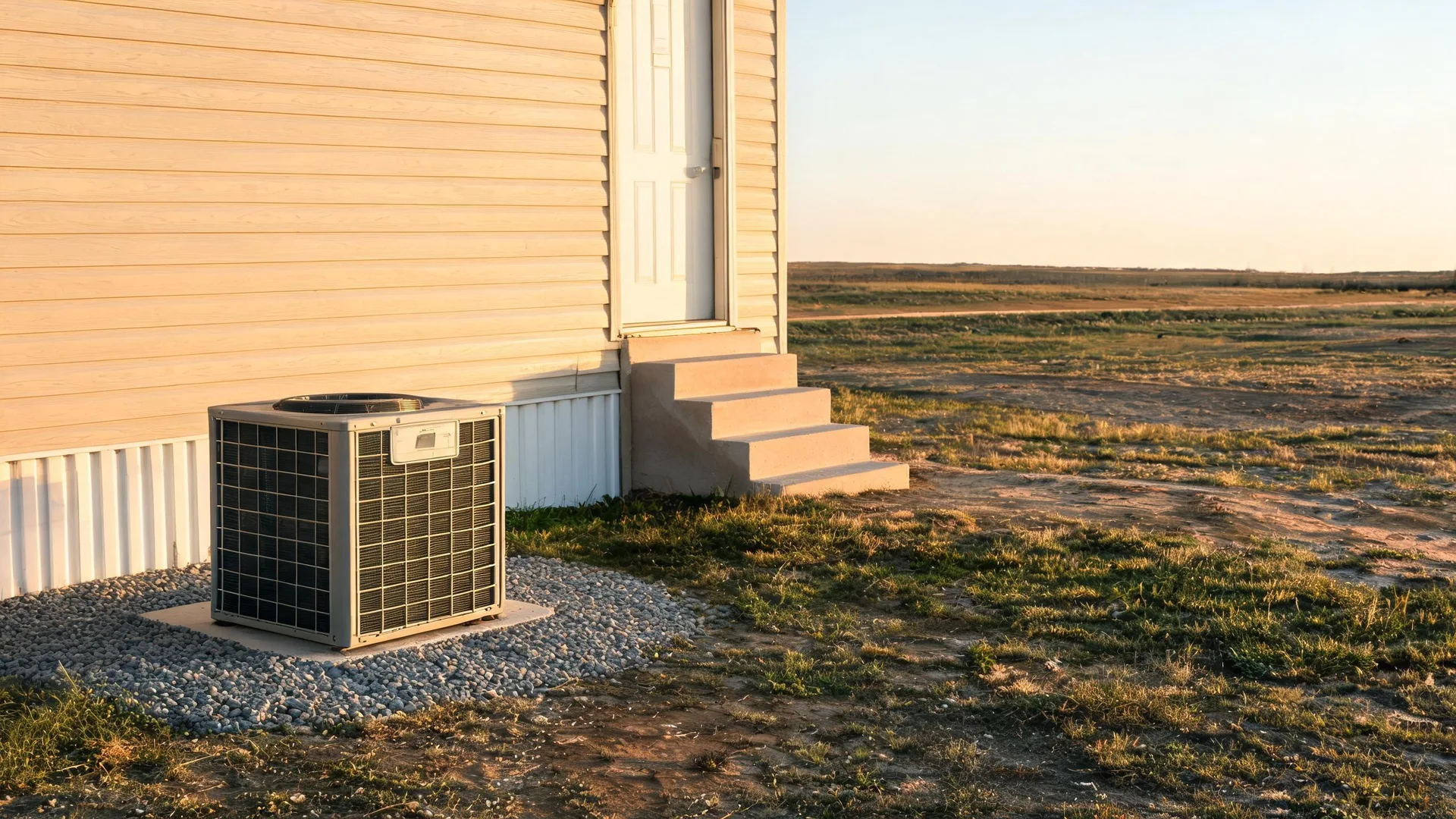
A gray outdoor HVAC unit mounted on a concrete pad beside a house with gray lap siding and a stone foundation.

Built in 1986 or later, most of this work ahead of it

A yearly check on a newer system is a quick visit most years. The tech confirms the charge, tests the reversing valve, cleans the coil, and moves on. Catching a weak capacitor or a slow refrigerant leak early keeps it that way instead of letting it turn into a compressor replacement.

What the readings show

A tune-up checks suction and head pressure against what the system calls for in that mode. Numbers that sit outside that range point to a leak or an overcharge long before the thermostat shows any sign of trouble. Static pressure across the coil and filter catches airflow loss that a visual check misses, since dirt can be thin enough to look fine and still choke the system down.
What it means for the compressor

The compressor is the part that takes the damage when the rest of the system gets neglected. A low charge makes it run hotter than it should, cycle after cycle. A weak capacitor makes the motor labor every time it tries to start. Catching either one during a check is a straightforward fix. Missing them means the compressor absorbs the wear instead, and a compressor that fails ends the system early.

Most heat pumps give a warning before they quit, if you know what to watch for. Short cycling is one. The system kicks on, runs a few minutes, shuts off, then starts again shortly after. That points to a sensor fault or a charge problem, not something that fixes itself. Air coming from the vents that feels only lukewarm, especially in heating mode, often means the reversing valve isn't shifting the way it should. A hissing or bubbling sound near the outdoor unit can mean refrigerant escaping, and that only gets worse with time. Ice on the outdoor coil outside of a normal defrost cycle means airflow or refrigerant is off somewhere. None of these stop the system outright. They just mean it's working harder than it should to do the same job, and that's what a check is for.

A proper tune-up follows the same order every time, whatever the brand or age of the system. It starts outside at the coil and fan. Then it moves to the refrigerant circuit, checking pressures in both heating and cooling, since a heat pump tested only one way can hide a problem in the other. The electrical side comes next. Contactors and capacitors get checked, and wiring connections get checked for looseness or heat damage. Indoors, the tech should look at the blower, the filter, and the supply vents for anything restricting flow. The thermostat gets tested last, confirming it calls for heat and cooling correctly and that the system responds. Skip any one of these steps and the visit is a shortcut, not a tune-up.