





White two-story houses with wraparound porches and Spanish moss-draped oak trees photographed along a residential street at night.

Heat Pump Maintenance in Winder, GA

Tell us about the job

Takes about a minute. No obligation.

Tune-up, service, or cleaningHeat PumpBarrow County, GA
Step 1 of 2

What ZIP code is the job in?

Zone 3A means a short, mild winter here, so your heat pump isn't fighting hard freezes most of the year. The strain in Winder comes from the other direction. Summer air sits at a 67 degree dew point on average, heavier than most of the country deals with, and your outdoor unit has to pull moisture out of that air for months at a stretch. That's steady work, not extreme work. A heat pump built for this climate can handle it for years, but the coil and the refrigerant charge still need a yearly look to keep up with it. Skip that, and the wear shows up as a slow loss of capacity before anything actually breaks.

A dirty outdoor coil can't shed heat the way it's built to, so the system runs longer to do the same job.

Skipped maintenance doesn't show up as a breakdown right away. It shows up as a heat pump that runs more and heats or cools less.

Most of these homes are young enough that keeping this system going is the smart bet

Half the homes here were built by 2001
Climate zone 3A
Power here costs 14.04 cents per kilowatt-hour
Book It Before NovemberHeat here starts in November, so October is when this gets checked.

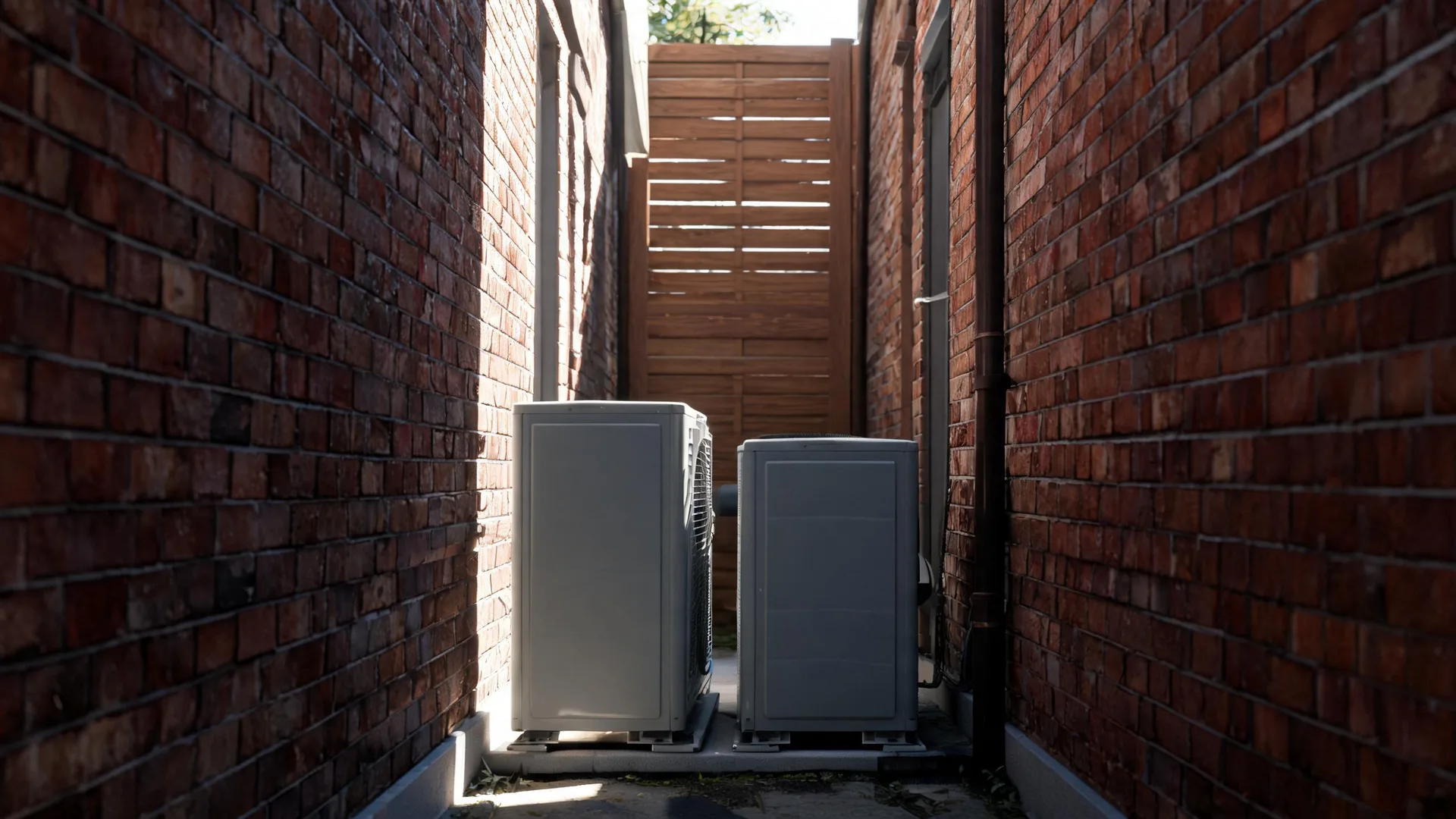
Between visits, keep the area around the outdoor unit clear. Leaves, mulch, and grass clippings block airflow through the coil, and a fence or shrub too close does the same thing. Check the air filter and swap or rinse it on a regular schedule, since a clogged filter chokes airflow across the indoor coil and makes the whole system work harder. After heavy rain or a storm, take a look and clear off any debris that landed on top of the outdoor unit. Inside, keep an eye on the vents and returns and make sure furniture or rugs aren't blocking them. None of this replaces a real inspection. It just keeps the system breathing right until a tech can get in and check the refrigerant charge, the electrical connections, and the parts you can't see from the curb.

One check a year keeps steady duty from costing you capacity

The yearly check is what keeps steady summer duty from turning into lost capacity. Have the coil and refrigerant charge looked at before the humidity sets in again.

Find a contractor
A gray heat pump condenser unit mounted on a concrete pad against the gray lap-siding exterior wall of a house.

A Young System Is Worth Protecting

Half the homes in this county were built in 2001 or later. If yours is one of them, the heat pump is likely a newer unit too, and a system that age is worth the yearly visit to protect. The check costs you an afternoon once a year. Letting the coil and charge go unchecked costs you capacity, year over year, on a machine that still has a lot of years left in it.

What a Real Tune-Up Covers

A thorough visit means the panels come off. The tech checks refrigerant charge against the manufacturer's numbers, not just a glance at the gauges. They test the contactor and capacitor under load, check amp draw on the compressor and fan motor, and look at the reversing valve to make sure it actually shifts between heating and cooling. The outdoor coil gets washed, not just looked at. Indoors, they check the blower wheel for dust buildup and make sure the condensate drain is clear. A quick visit skips most of this and checks pressures alone.
Why the Shortcuts Don't Show Up Right Away

A system that only gets pressures checked can run fine for another year and still be losing ground. A reversing valve that's starting to stick, a contactor with pitted points, a coil that's half clean instead of fully clean: none of that trips a breaker or sets off an alarm. It just means the unit works harder to hit the same temperature, draws more current doing it, and wears the compressor down faster than it should. The difference between a real tune-up and a quick one usually isn't felt until a few years in, when the corner-cut system needs a compressor and the other one doesn't.

The filter is the cheapest part of this system and the one most likely to get ignored. Dust and pet hair catch in the weave until air can barely pass through, and once that happens the blower pulls harder to move the same volume. The indoor coil sits right behind that filter, and anything the filter misses lands on the coil instead. A dirty coil can't transfer heat well, so the system loses capacity even though every part is technically still working. The condensate drain matters just as much and gets thought about the least. That line carries away the water pulled out of the air, and algae or sludge builds up inside it over time until it's narrow enough to back up. A clogged drain backs water up into the pan, and from there it either trips a safety switch and shuts the system down or overflows where it shouldn't. None of these three failures happen suddenly. They build for months before anyone notices the air feels different or the system runs longer than it used to.

A heat pump tune-up also means checking parts that have nothing to do with the coil or the charge. The defrost control and sensor get tested, since that's what tells the system to clear frost off the outdoor coil in cold weather and switch back to heating when it's done. A sensor that reads wrong can leave the unit stuck in defrost too long or never trigger it at all, and either way the coil ices over and the system stops moving heat. The tech also checks the thermostat calibration against the actual temperature in the room, because a thermostat that's off by even a little makes the system run longer than it needs to without anyone noticing why. Electrical connections get tightened, since a loose connection at the contactor or disconnect box builds resistance and heat over time, and that heat is what eventually burns a wire or trips the system out. None of this is dramatic work. It's the kind of thing that only matters when it's skipped.