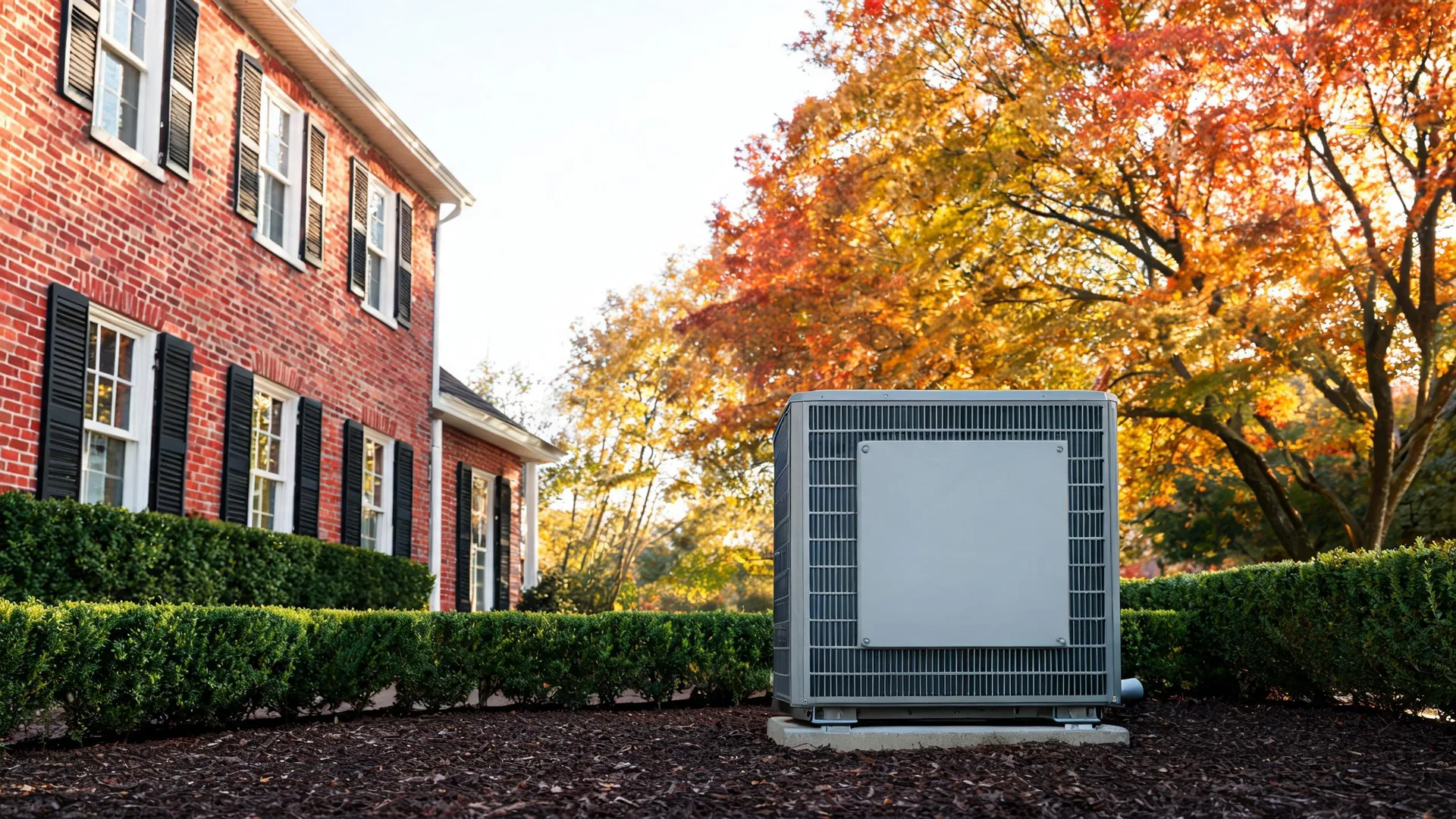
Weather here is hard on outdoor units
Bartow County logged 117 severe weather events between 2015 and 2024, most of it damaging wind. A heat pump's outdoor unit sits through all of it, exposed to wind-blown debris and hail.
Takes about a minute. No obligation.
Bartow County logged 117 severe weather events between 2015 and 2024, most of it damaging wind. A heat pump's outdoor unit sits through all of it, exposed to wind-blown debris and hail.
Nearly a third of Georgia households went at least 24 hours without power in 2024. A heat pump stops heating or cooling the house until power is back.
Half the homes in Bartow County were built in 1994 or later.
A heat pump that age has years of work left in it, and a yearly check is what keeps it that way.



A dirty filter is the start of most heat pump problems. Airflow drops, the indoor coil gets starved, and the system has to run longer to move the same amount of heat. That longer runtime shows up on both coils. The outdoor coil loses efficiency when it's coated in dust or grass clippings, and the indoor coil can ice over if airflow stays restricted long enough. Ice on the coil blocks airflow further, and the problem feeds itself. The condensate drain matters just as much, especially in cooling mode. That line carries away the water the indoor coil pulls out of the air, and if it clogs with algae or dirt, the water backs up into the pan and sometimes into the house. None of these parts fail on their own. They fail because the one before it was ignored.
Have the outdoor unit inspected for debris and damage before the next storm comes through. A technician checking it now catches cracked fins or a clogged coil before wind and hail add to the problem.
Find a contractorIf your heat pump came with the house, a yearly check is what keeps a working unit working. A technician who sees the same system each year catches a weak capacitor or a slow refrigerant leak while it's still a small job. Skip a few years and the same wear turns into a compressor replacement instead of a part swap.
A heat pump switches between heating and cooling with a reversing valve, and that valve only works correctly when refrigerant charge is where it should be. Low charge from a slow leak can leave the system stuck favoring one mode, or struggling to defrost in winter. Nobody notices a slow leak without someone checking pressures.
A worn contactor or a weak capacitor usually keeps the system limping along, running longer and harder, before it quits outright. By the time the system won't start at all, the compressor has often been working against that weak part for months. Catching it on a check means a part swap instead of a no-heat call.
Between visits, the filter is the one thing worth checking yourself. Pull it out, hold it up to a light, and if you can't see through it, change it. A heat pump also has an outdoor unit that needs clear space around it, so keep leaves, grass clippings, and anything stacked against the cabinet away from it. Walk past it after a storm and look for bent fins or debris caught in the coil. Inside, keep an eye on the vents and returns, since furniture or rugs blocking them starve the system the same way a dirty filter does. Anything beyond that, like refrigerant levels or electrical parts, needs a technician with gauges and meters, not a homeowner with a flashlight.
A tune-up on a heat pump covers both the inside and outside unit, since each hides its own wear. A technician pulls the panel on the outdoor unit and checks refrigerant pressures, because that's the only way to catch a slow leak before it leaves the system short of charge. The contactor and capacitor get tested under load, not just looked at, since a weak one can still pass a visual check and fail a week later. Electrical connections get tightened, because a loose one generates heat and burns the connection further over time. On the indoor side, the blower wheel gets inspected for dust buildup, which throws off airflow the same way a dirty filter does. The technician also checks that the system switches cleanly between heating and cooling, since a reversing valve that hesitates or sticks is easier to catch on a bench test than after it strands the house in the wrong mode.