Furnace blowing cold air in Augusta, GA
Skip the searchA furnace that blows cold air still needs a look from someone who knows what usually causes it in Richmond County homes, where most houses heat with electricity. You could start calling around Augusta, explaining the same problem to each company, waiting on callbacks, then stacking up quotes to compare. That takes time you'd rather not spend with cold air coming out of the vents. This page connects you to one licensed, local contractor instead of several, so you're not fielding calls from companies you never meant to contact. Someone who works on electric furnaces all winter in this area has likely seen your exact problem before. Fill in what's going on and you'll hear from a contractor who can take it from there, no sorting through bids or repeating yourself to a new voice each time.
A furnace blowing cold air is usually not heating at all, or heating in short bursts that don't feel like it. If it's an electric furnace, which most homes in Richmond County have, the heating elements may have failed, or the blower is running without the elements firing behind it. A tripped limit switch can also shut off heat while leaving the fan going, so what hits your face is just room temperature air. If you have a heat pump system instead, cold air can mean it's stuck in fan-only mode, or the outdoor unit isn't running while the indoor blower keeps moving air through the ducts. Either way, the fix depends on which part failed and why, and that calls for someone who can test the elements, the switch and the controls rather than guess. Left alone, it means rooms that don't warm up and a system working harder for no heat.
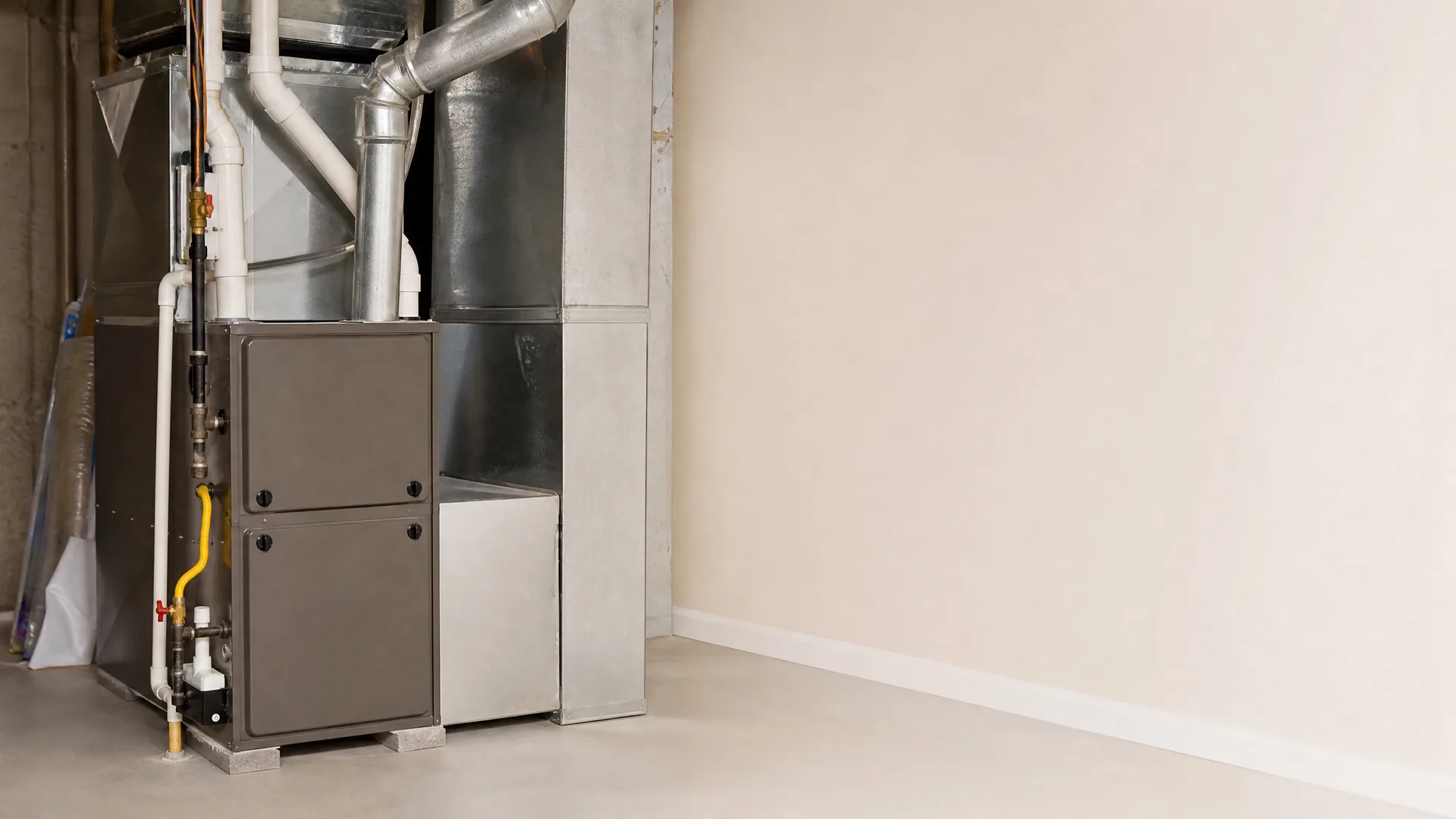
Why the blower runs without heat
An electric furnace warms air with a set of heating elements, then pushes that air through the house with a separate blower motor. The two don't always fail together. If a safety switch or a failed sequencer keeps the elements from getting power, the blower can keep running on schedule, moving air that never passed over anything warm. That's the cold air you're feeling at the vents, and it points to the element circuit, not the fan.
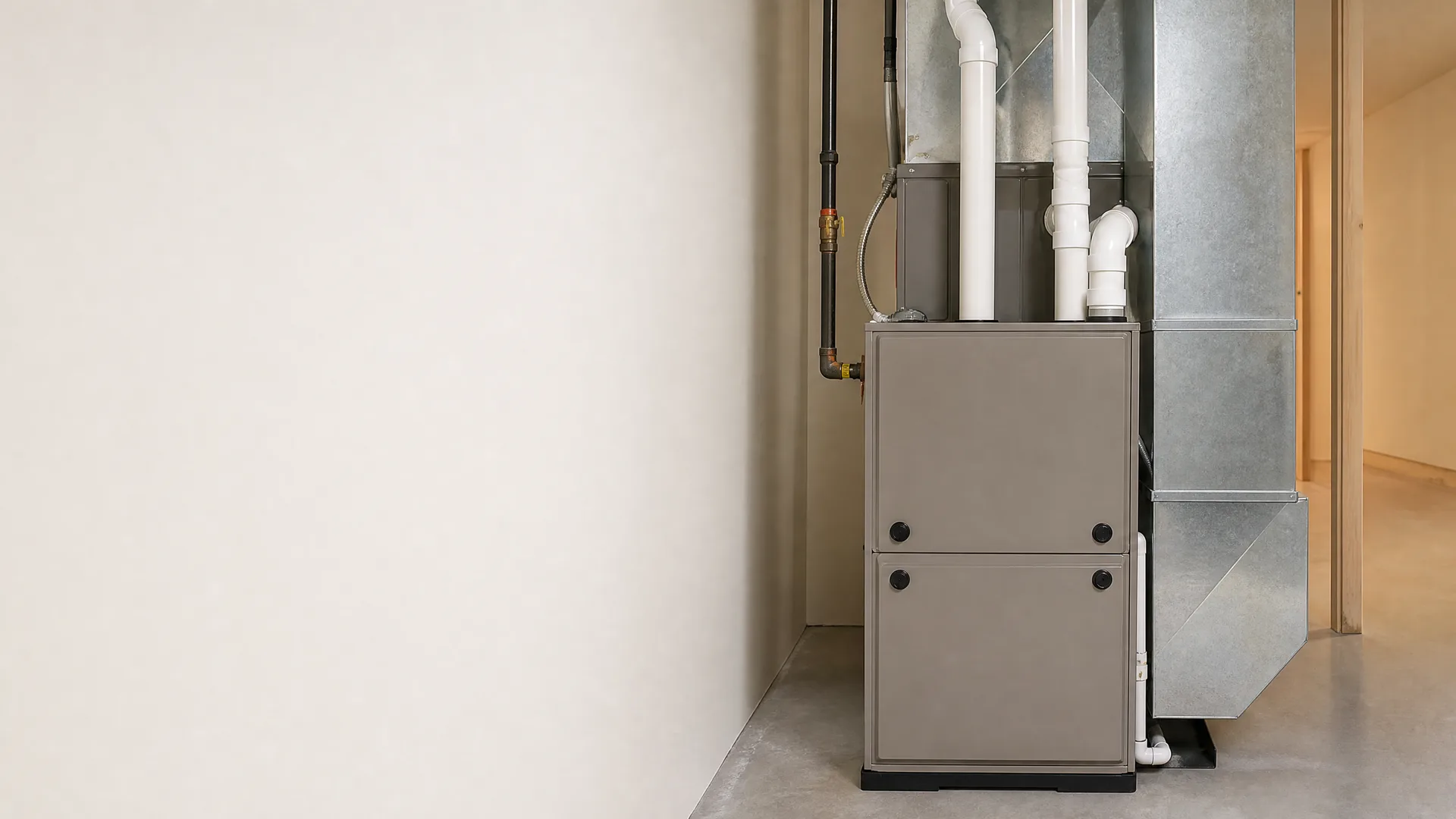
What a short cycle tells you
A furnace that kicks on, runs a minute or two, then shuts off before the house warms up is usually tripping a limit switch meant to protect it. That switch reacts to heat it isn't expecting, often from a blower that isn't moving enough air past the elements. Left alone, a furnace that short cycles all winter wears on the same parts repeatedly, which is why a tech checks the limit switch and the airflow behind it together, not just one or the other.
Why does a furnace struggle to keep up on Richmond County's coldest nights?
Winter nights average 37°F
Winter nights average 37°F, so the heating elements run long stretches to hold a comfortable temperature inside.
Heat runs November through March
Heat runs November through March, which gives a failing element or switch months of regular work before anyone notices.
57.8% of homes heat with electricity
57.8% of homes heat with electricity, so most furnace problems here trace back to elements, a sequencer, or the blower.
NOAA nClimDiv 1991-2020 · ACS 2020-2024




Explain it one time
Your request stays with one local pro.
Sending the form costs nothing.
How the Sequencer Controls Heat
- A sequencer brings electric furnace elements on one at a time instead of all at once, so a single bad stage can leave air barely warm.
- Each heating element has its own high-limit switch that cuts power if airflow is too low, shutting that element off while the blower keeps running.
- A dirty filter or blocked return can starve the furnace of airflow, which trips the limit switch and leaves only cold air moving.
- The blower motor and the heating elements are powered and controlled separately, so one can keep working after the other has failed.
- Thermostat settings calling for fan only, rather than heat, will circulate room temperature air that feels cold compared to a working furnace.
- A tripped breaker feeding just one element circuit can cut heat output in half while the blower draws power from a separate circuit.
An electric furnace doesn't fire all its heating elements at once. A sequencer brings them on one at a time, a few seconds apart, so the house current doesn't spike. Each element answers to its own high-limit switch, a safety device that watches airflow across that element and cuts it off if the air moving past it runs too low to carry the heat away. That's by design. It protects the element from overheating. But it also means a furnace can lose one stage of heat while the rest keep running, and you'd never see it from the thermostat. The blower operates on its own circuit, separate from the elements, which is why it can keep pushing air through the house even if every element has shut down or tripped its breaker. A dirty filter or a return duct that's partly blocked restricts airflow enough to trip a limit switch on its own, with nothing wrong with the element itself. Check the thermostat fan setting too. Set to "on" instead of "auto," the blower runs constantly and moves air whether the furnace is heating or not, and that air will feel cold next to a system working the way it should. None of this is visible from outside the furnace cabinet. It takes opening the unit, checking each element with the power off, and testing the limit switches and sequencer in sequence to find which stage failed and why.


You'll notice it first in the room farthest from the furnace, where whatever warm air is getting through has the least of it left by the time it arrives. The power bill doesn't wait to tell you something's wrong. The blower and the elements both draw current whether the air coming out is 90 degrees or barely above room temperature, so you pay for heat you're not getting. Turning the thermostat up doesn't fix it either. It just tells a furnace that can't fully heat to run longer trying. Because winters here are mild, this can sit for weeks without forcing the issue, especially if a bad element only shows itself on the coldest nights. But a failed element that keeps tripping its high-limit switch is putting wear on a part that's supposed to protect the furnace, not a problem that improves by waiting. Left alone, the house stays cold in the same spots, the bill keeps climbing, and nothing changes until the actual part gets fixed.
What This Looks Like At Home
- A house heating with cold air still runs up the power bill, since the blower and elements keep drawing current even when the output isn't warm.
- Rooms farthest from the furnace will feel it first, since any heat that is getting through has less of it to spread.
- A failed element left alone can trip its high-limit switch repeatedly, which wears on a part that's also there to protect the furnace from overheating.
- Mild Augusta winters mean the furnace cycles less than in colder places, so a bad element or sequencer can go unnoticed until a cold snap forces it to run hard.
- Letting it run as is for weeks means the blower keeps working at full cost while the house stays underheated, with nothing about the problem improving on its own.
- A thermostat set higher to compensate just keeps calling for heat the furnace can't fully deliver, adding runtime without adding warmth.



Cold air from the vents means the furnace isn't heating, even if it's running
A furnace that blows cold air in a Richmond County home is almost always an electric furnace with a failed element, a bad sequencer, or a limit switch that's cutting power before the house warms up. The blower keeps moving air either way, so it feels like the furnace is working when it isn't doing the one thing it's supposed to do.
Finding out which one it is means someone checking the elements, the sequencer, and the switches in person. You could call around Augusta and describe the same symptoms to every company that picks up, then sort through who can actually come out and who's just quoting blind. Requesting service here sends the job to one licensed Richmond County contractor who works on these furnaces all winter and knows which part usually goes first.

Skip the calls to every shop
A licensed pro who repairs furnaces in Richmond County gets your request.