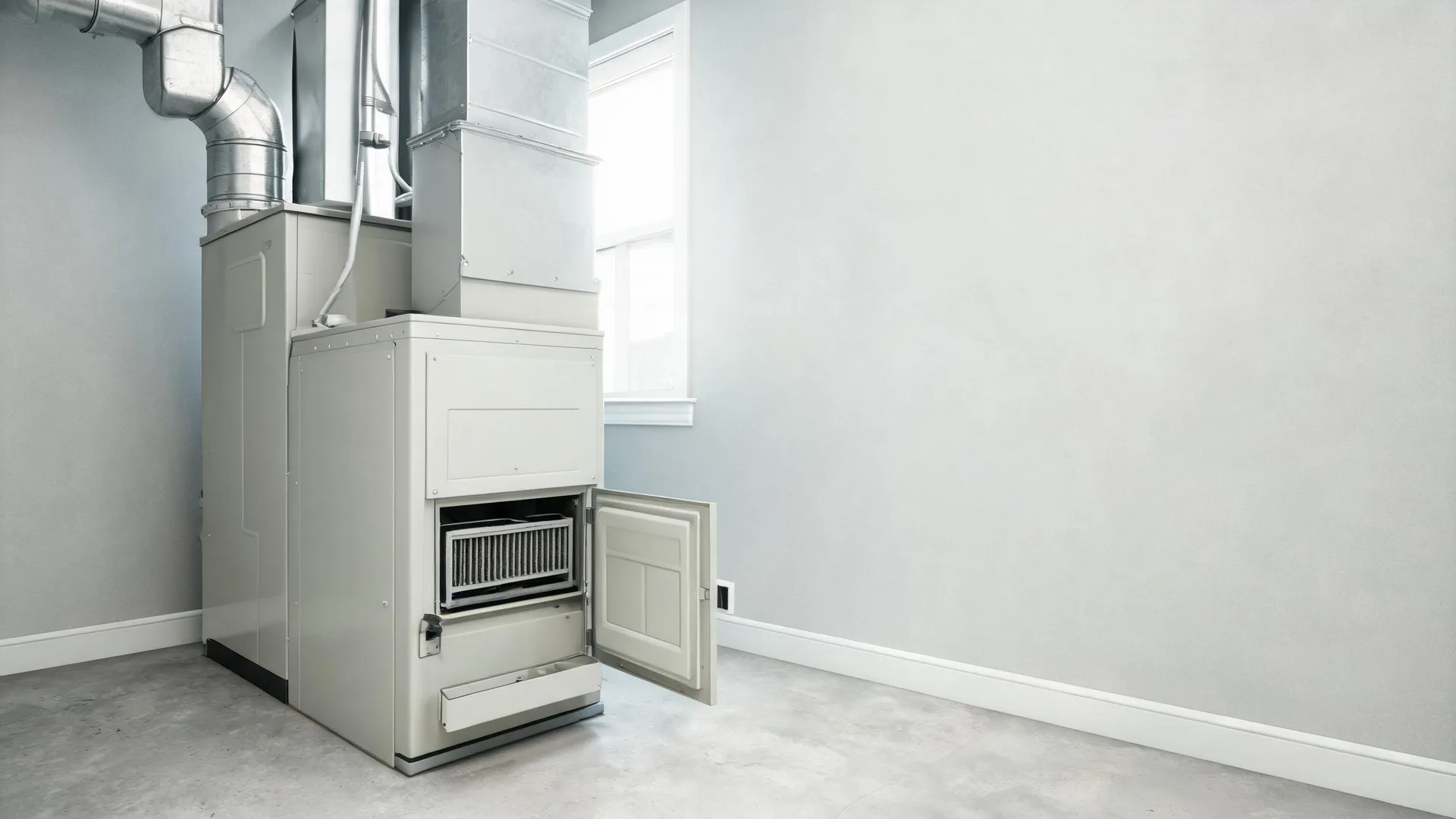
An unfinished basement containing a gray HVAC furnace with ductwork, exposed wooden joists, a concrete floor, and miscellaneous clutter in one corner.

Furnace Installation in Cumming, GA

Tell us about the job

Takes about a minute. No obligation.

New system or replacementFurnace or heatingForsyth County, GA
Step 1 of 2

What ZIP code is the job in?

Storms come through often here

Forsyth County logged 76 severe weather events between 2015 and 2024, including damaging wind, hail, and a handful of winter storms. A furnace installed here should be set up to take that, from how it's vented to where any outdoor components sit.

The power doesn't always hold

Nearly a third of Georgia households went at least 24 hours without power in 2024. A furnace needs electricity to fire the igniter and run the blower, so if an outage matters for your house, ask your installer about backup options before the system goes in.

7 months
October through April, your furnace is on duty
33°F
the average winter night it heats against
69%
of homes here heat with gas, so most furnaces here burn gas
80% AFUE
the federal minimum any new unit must meet
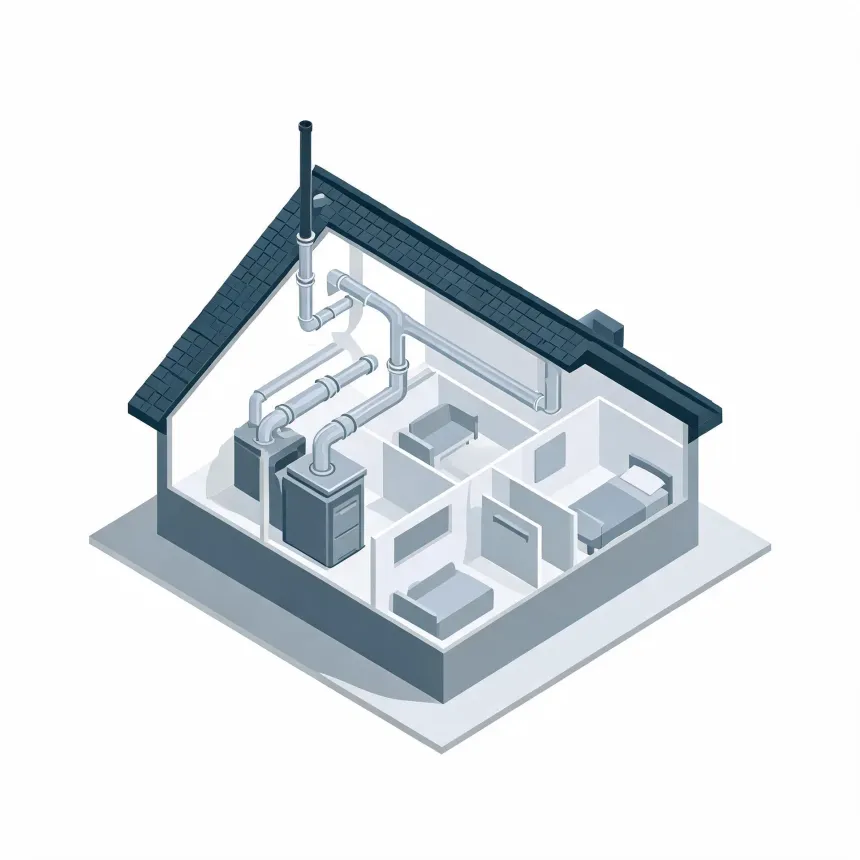
Isometric illustration of a cutaway house showing a furnace unit with ductwork and a flue pipe running through the interior rooms, which contain simple furniture.
Your furnace works hardest from November through March.

NOAA nClimDiv, 1991–2020 normals

Furnaces in Forsyth County start running in October.

Get it installed in September, before that first cold morning puts it to work.

Gas here runs $17.66 per million Btu, so a high-efficiency furnace isn't the part worth chasing

Heat runs October through April
Winter nights average 33°F
Climate zone 3A
Gas heats most homes hereUtility gas heats 68.7% of homes in Forsyth County, electricity heats 27.4%, and LP gas heats 3.2%.

Furnaces in Forsyth County run about seven months a year, October through April, and the overnight low averages 33°F through the worst of winter. That's not hard duty. A furnace sized and installed to handle a 33°F night here isn't straining to keep up most mornings it runs. You don't need the highest-efficiency model to get through a Forsyth County winter. Put the money into a unit that's sized right and installed well, and it should hold up fine on what this climate asks of it.

Replace it before the season

Replace it before the season starts, so it happens on your schedule, not in a hurry.

Find a contractor
A gray gas furnace with attached ductwork and piping installed in an unfinished concrete basement.

Built for a 33°F night, not a polar one

That 33°F average is a mild design target. Ask your installer what size furnace that calls for in your house, and don't let anyone upsell you past it. Money spent on the right size and a clean install goes further here than money spent chasing a higher efficiency rating.

Disconnected, not left behind

The old furnace gets shut off from the gas line and the power, then disconnected from the ducts and the flue it was venting through. None of that gets reused as is. A new furnace needs its own clean connections, even in the same spot.

The vent pipe gets a second look

An old furnace and a new one often don't vent the same way. A high-efficiency furnace drains condensate and vents through a different pipe than an older unit. Whoever pulls the old one out has to check whether that venting works for what's going in, not just leave it as found.

An unfinished basement containing a gas furnace with ductwork in the foreground and miscellaneous stored items along the far concrete wall.

A high-efficiency gas furnace would save about $120 a year to run in Forsyth County compared with a gas furnace.

  • A high-efficiency gas furnace$640 a year
  • A gas furnace$760 a year

Estimates for a typical Forsyth County home, from EIA household energy data, Georgia fuel prices and NOAA climate normals. Your home will differ.

Installation day starts with the old furnace coming out and a real sizing check for the new one, not a guess based on what was already there. The installer should be running a load calculation for your house, not matching the old unit's number. Once the new furnace is set in place, the gas line gets connected and pressure tested before anything fires. The ductwork gets checked too, since a furnace that moves more or less air than the old one needs supply and return sized to match. Electrical gets run to the control board and the blower motor. Then comes startup. The installer checks gas pressure, checks the temperature rise across the heat exchanger, and makes sure the blower is running at the right speed for the ductwork it's tied to. A furnace installed right gets tested while the installer is still there, not after they've left.