Weather here does damage
Bartow County recorded 117 severe weather events between 2015 and 2024, including 90 damaging wind events, 12 hail events and 5 tornadoes. Four tropical storms or hurricanes reached the county in that stretch too.
Takes about a minute. No obligation.
Bartow County recorded 117 severe weather events between 2015 and 2024, including 90 damaging wind events, 12 hail events and 5 tornadoes. Four tropical storms or hurricanes reached the county in that stretch too.
Almost a third of Georgia households lost power for a day or more in 2024. A furnace with no backup plan means no heat until the lines are fixed, and if the home relies on electric heat already, an outage leaves nothing to fall back on.
NOAA nClimDiv, 1991–2020 normals
Furnaces here start running in October.
Get yours installed in September and it's already tested before the cold and the storms that come with it arrive.



Electricity heats 63 percent of homes in Bartow County, more than any other fuel. Gas, either utility or bottled, covers most of the rest. If your home already runs on electric heat, that points to an electric furnace, and a licensed contractor can confirm what your ductwork and panel support. Replacing what's already there is usually the simpler job, since the wiring and venting are already set up for it. Given how often storms knock out power here, it's worth asking your contractor what happens to that furnace when the lines go down, and whether a backup option makes sense for your home.
Ask your contractor where the outdoor equipment will sit and what protects it from wind and hail. Ask what the furnace does when the power drops, and whether a backup makes sense for your home. Settling that now, before install, means one job instead of two.
Find a contractor
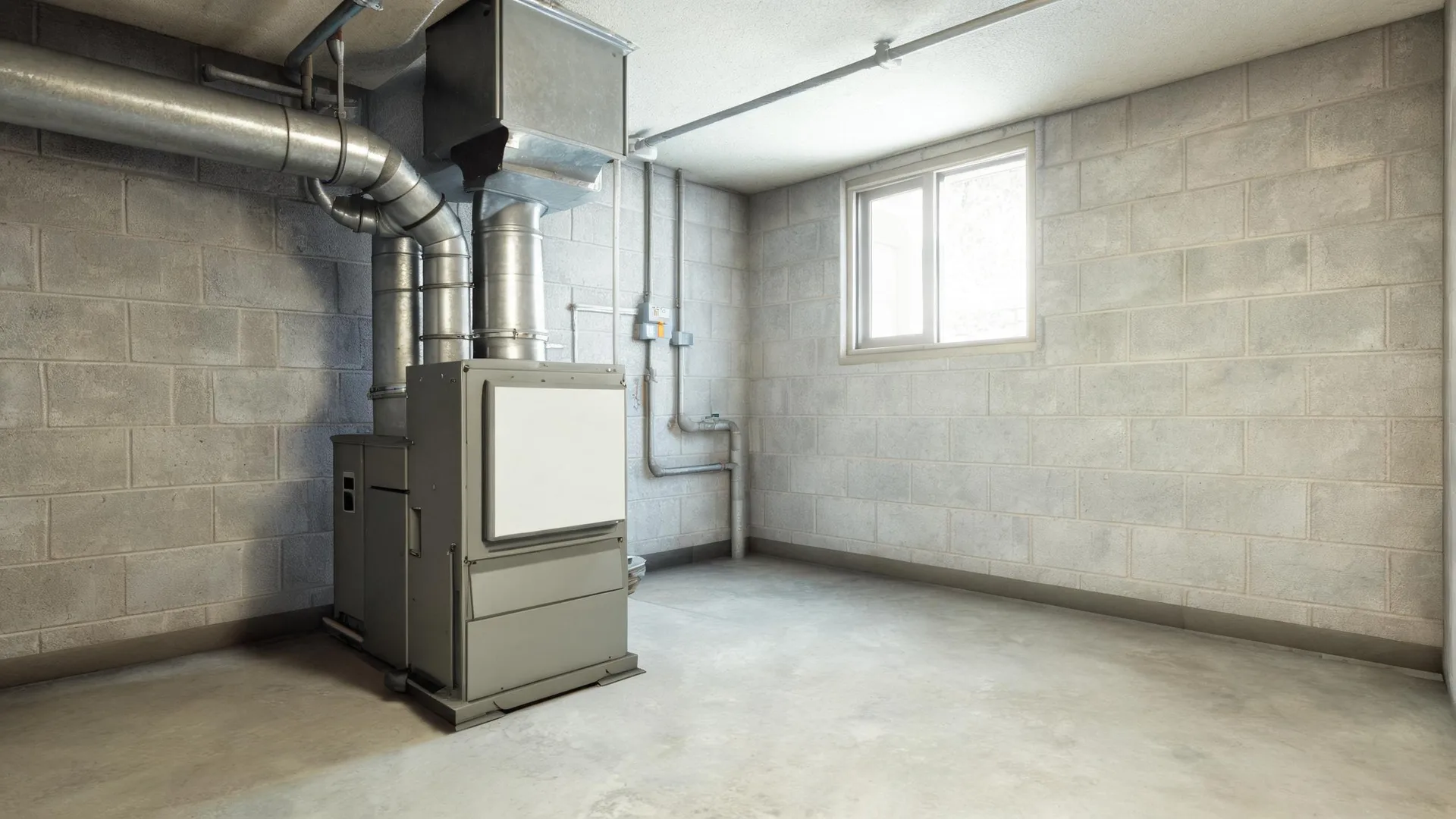
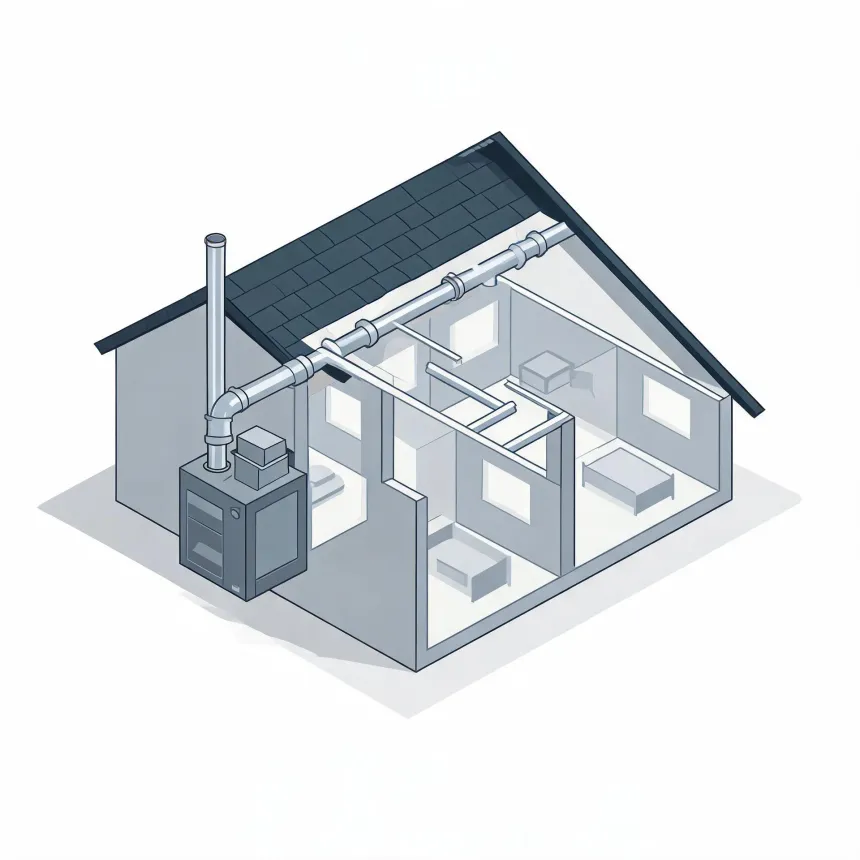
What drives the cost of an installation is less about the furnace sitting in the box and more about everything around it. The unit itself comes in a range of efficiency levels and capacities, and that range accounts for part of the spread. But the bigger swings usually come from what the house needs to make that furnace work. Ductwork that's undersized, leaky, or routed poorly has to be corrected or the new furnace won't heat evenly no matter how good it is. A gas line or electrical circuit that doesn't match what the new unit draws has to be upgraded. Venting is its own question for a gas furnace, since the flue has to be sized and routed to match the unit's output. Labor reflects how much of that groundwork is already in place versus how much has to be built from scratch. A straight swap where the old furnace matches the new one in fuel type and size is a different job than a conversion or a furnace going somewhere new. None of that shows up on the price tag of the unit, but all of it shows up on the invoice.
A contractor disconnects the gas or power line, pulls the flue or vent connection, and takes the cabinet out in one piece or in sections if a doorway or stairwell won't allow it. The heat exchanger inside can be heavy and awkward, not dangerous to move once it's shut down and disconnected.
If the old ductwork, gas line or electrical whip stay in place, the new furnace connects to what's already there. A contractor checks the condition of each before reusing it. Old or undersized duct runs, a corroded flue, or wiring that doesn't match the new unit's draw have to be addressed before the new furnace goes in, not after.
The efficiency rating on a furnace tells you how much of the fuel it burns turns into heat in the house, and how much goes out the flue. A furnace rated higher keeps more of that heat instead of losing it. For an electric furnace, almost all the electricity going in becomes heat coming out, since there's no flue to lose energy through the way a gas furnace has. That's a different kind of efficiency question than a gas unit faces, and a contractor sizing an electric furnace is weighing it against the heat loss of the house, not the rating on the label. Ask what rating applies to the unit going into your home and what it actually changes about how the furnace runs.
Bartow County falls in climate zone 3A, and any gas furnace installed here has to meet the federal minimum for that zone. Furnaces built from November 2015 on are required to turn at least 80 percent of the gas they burn into heat over the winter. That floor moves to 95 percent for units manufactured from December 2028 onward, so a furnace bought before then can still legally be the 80 percent kind. A contractor can tell you where a specific model falls against that line and what the difference means for your home.