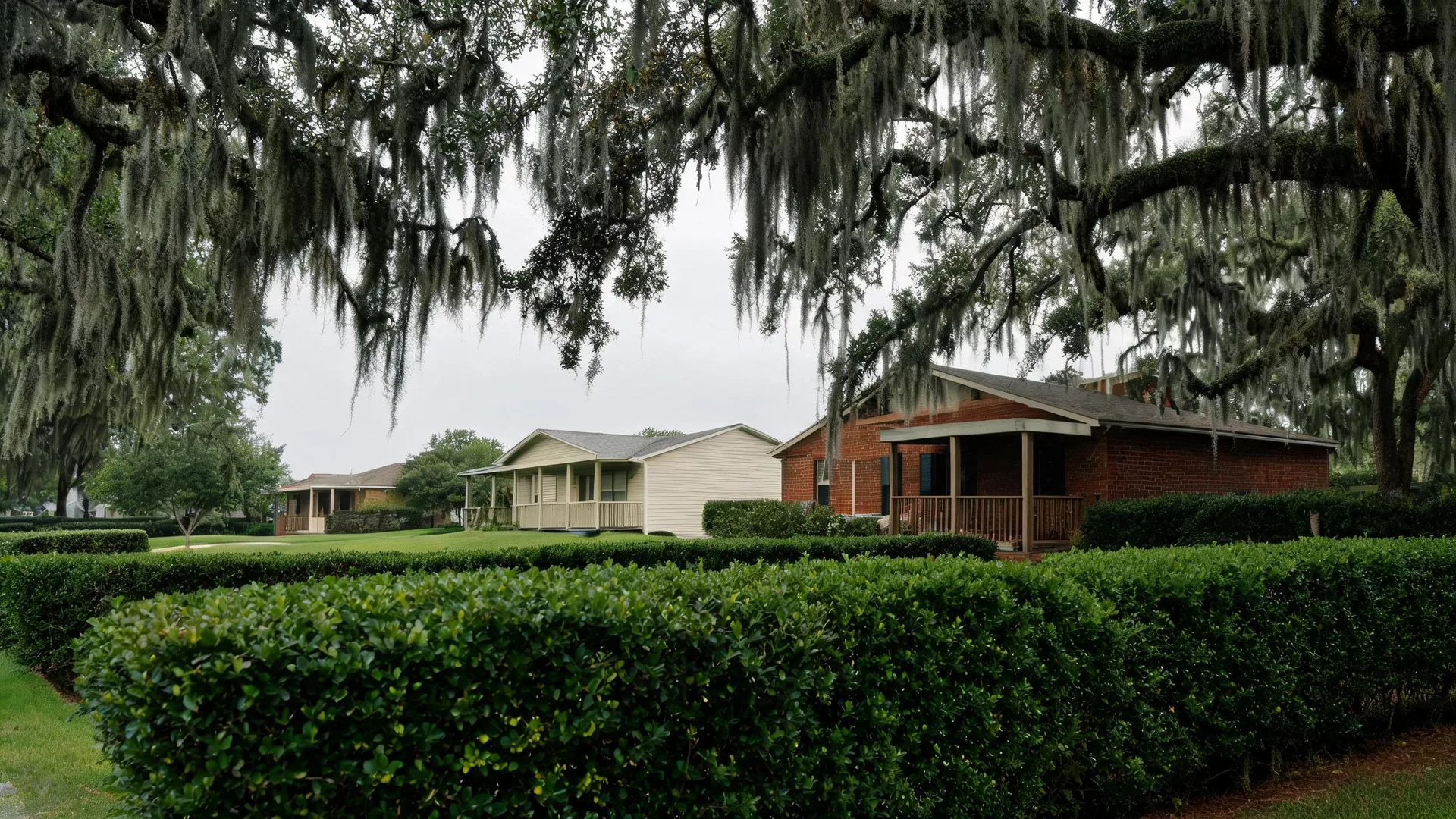
Single-story brick and white-sided houses behind a trimmed hedge and lawn, framed by overhanging oak branches draped with Spanish moss under an overcast sky.

Furnace Installation in Thomasville, GA

Tell us about the job

Takes about a minute. No obligation.

New system or replacementFurnace or heatingThomas County, GA
Step 1 of 2

What ZIP code is the job in?

This county sees a lot of severe weather

Thomas County logged 129 severe weather events between 2015 and 2024, including damaging wind, hail, tornadoes and tropical storms. Whatever sits outside your new furnace setup, the flue, the vent, any exposed line, takes that weather head on.

Power doesn't always come right back

Almost a third of Georgia households went at least a day without power in 2024. A gas furnace still needs electricity to fire the igniter and run the blower, so it won't start on its own until the power does. Worth asking your contractor what happens to your furnace when the outage hits, not after.

5 months
November through March, your furnace is on duty
41°F
the average winter night it heats against
80% AFUE
the federal minimum any new unit must meet
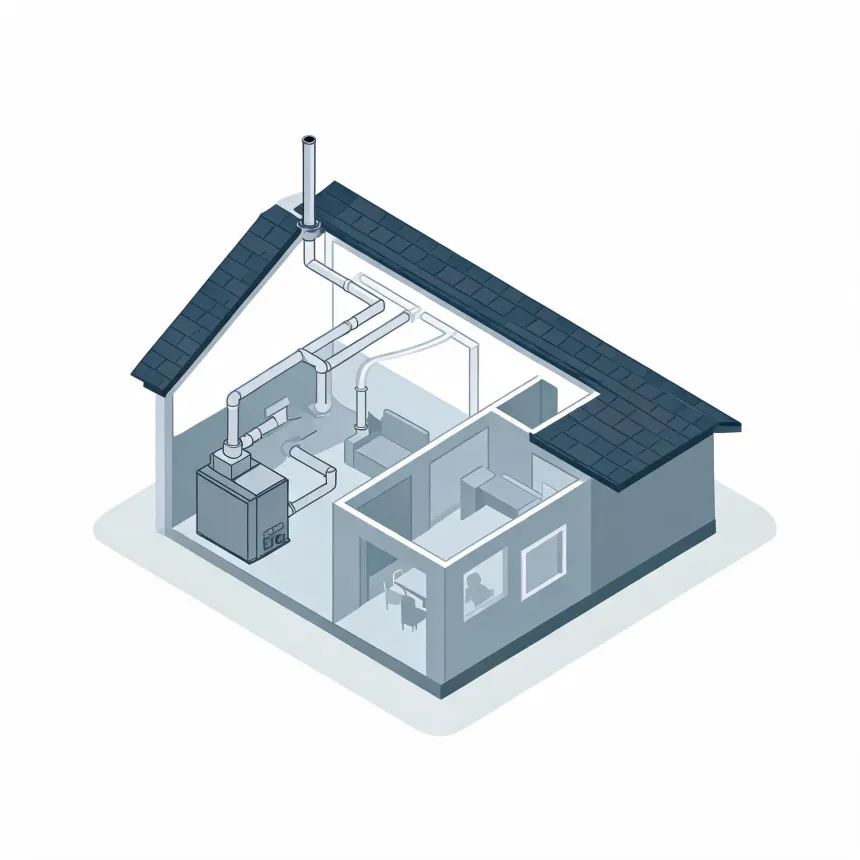
Isometric cutaway illustration of a single-story house showing interior rooms, a furnace unit with connected ductwork, and a flue pipe extending through the dark shingled roof.
Your furnace works hardest from December through February.

NOAA nClimDiv, 1991–2020 normals

Thomas County only needs heat about five months a year, November through March.

A furnace here doesn't have to be the top efficiency model, just one that starts reliably on a cold night.

Most homes here run on electric heat, not gas

87% of homes heat with electricity
Climate zone 2A
Heat runs November through March

If you're choosing between two furnaces and one has a modulating burner or a higher efficiency rating, ask what that buys you here. Five months of heat, with overnight lows averaging 41°F, isn't the kind of load that extra capability was built for. A straightforward single-stage furnace from a maker with a solid warranty and parts available locally will do the job and keep doing it. What decides whether it starts on the cold nights you actually get is the installation itself, the venting, the gas line, the sizing, not how many stages the burner has.

Pick reliable, not top of the line

It won't be worked hard here, so pick a reliable system that fits. You don't need the top efficiency model.

Find a contractor
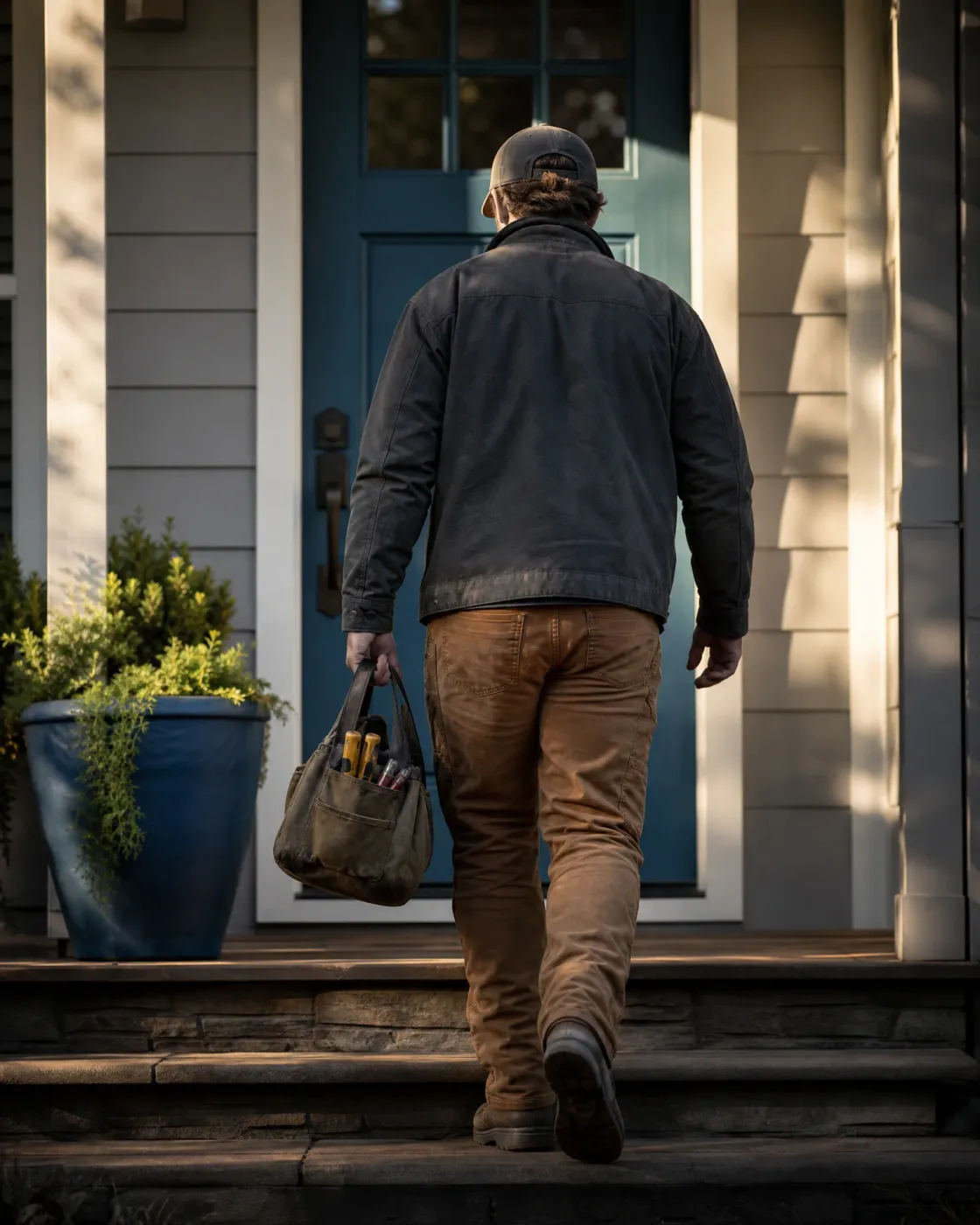
A man in a dark jacket, tan work pants and a cap, seen from behind, climbs stone steps toward a blue front door while carrying a canvas tool bag, with a blue planter of greenery at left.
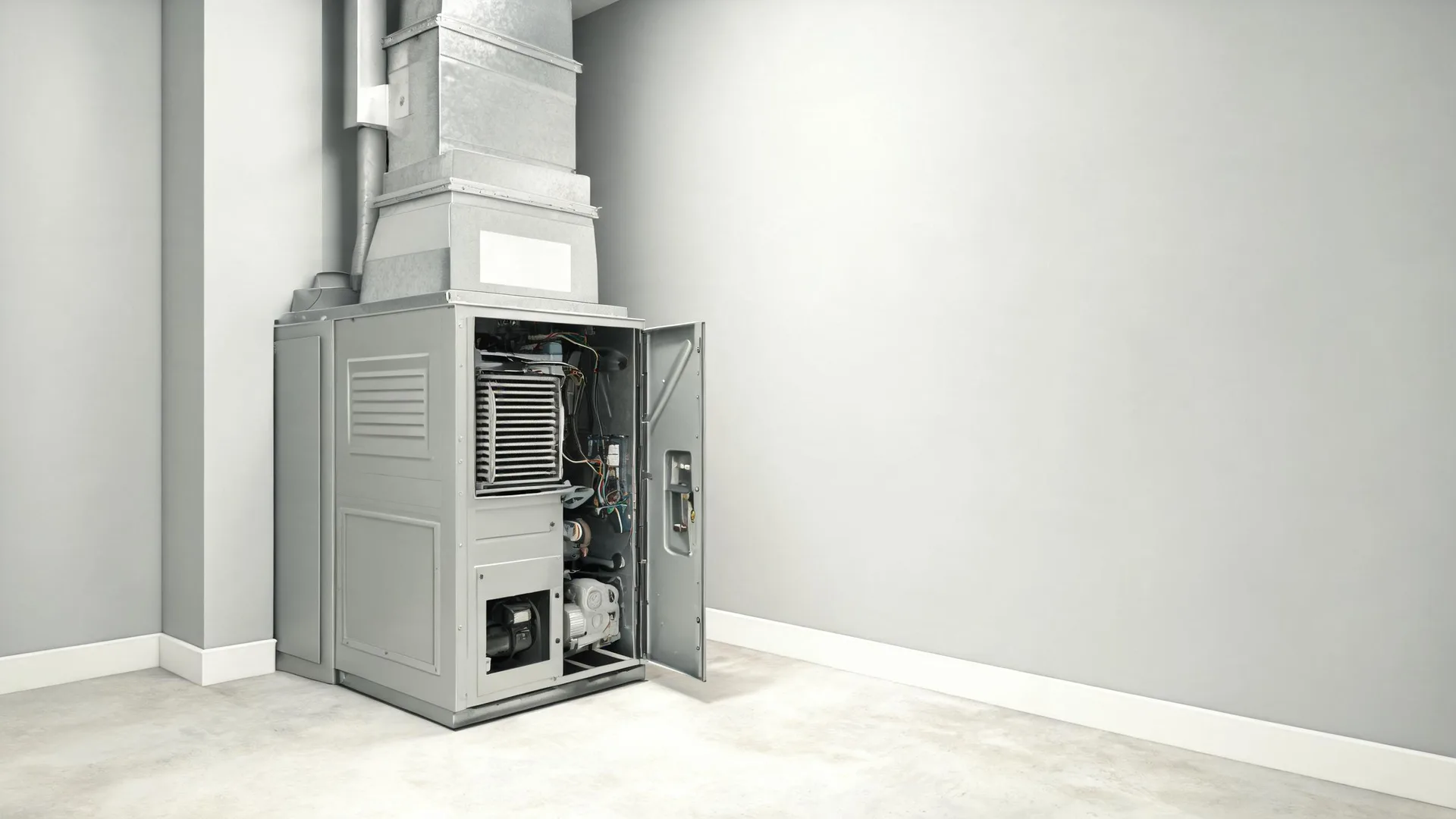
A gray high-efficiency gas furnace installed in an unfinished basement, surrounded by gas lines, a condensate drain, and sheet-metal ductwork.

Five months a year, not year-round

Heat runs November through March here. That's the window to get a furnace installed, before the first cold night, not during it. October is the month to line it up. A furnace put in under pressure, after the temperature's already dropped, doesn't give you much room to think about what you're buying or who's installing it.

Size comes from a load calculation

A contractor works out furnace size by going through the house. Wall area, window area, insulation, how the rooms sit. That tells you how much heat the place loses on a cold night. Square footage alone doesn't answer it. A house with poor insulation needs a bigger furnace than a similar sized house that's sealed up well.

Oversized runs worse than undersized

A furnace that's too big heats the house fast, shuts off, then starts again soon after. That short cycling wears the igniter and the blower motor harder than steady running would. It also leaves rooms far from the furnace feeling uneven. The right size runs in long, steady stretches and heats the house evenly.

Ask what stage of heat each system has, single stage versus a variable or modulating burner. A single stage furnace runs at full output every time it fires, then shuts off, so the house swings between a blast of heat and a cool stretch before it fires again. A modulating furnace adjusts its output to what the house needs at that moment, so it runs longer and steadier with less swing between on and off. Ask what the warranty covers, the heat exchanger against everything else, and whether you have to register it yourself or the installer does it for you. Ask how the contractor arrived at the size they're quoting, not just the number itself. Ask about the venting too, since that decides where the furnace can go and what the installation involves, not just what's printed on the unit's price tag.

Installation day starts before the new furnace ever comes out of the box. The old one has to come out first, along with its venting and ductwork connections, so there's some disruption before anything new goes in. The contractor sets the furnace, runs the gas line to it, connects the ductwork, and vents it according to what that model needs. Then comes the gas line pressure test, the ignition check, and a check of the airflow across the heat exchanger. A contractor worth hiring fires it up and watches it run through at least one full cycle before calling the job done, not just a quick light-up and walkaway. Expect some noise and foot traffic through the house while the work is underway, and ask ahead of time how long the furnace will be offline so you're not caught without heat longer than you expected.