






Two illuminated white Southern-style houses with wraparound porches and staircases, framed by a Spanish moss-draped tree on a quiet street at night.

Furnace Installation in LaFayette, GA

Tell us about the job

Takes about a minute. No obligation.

New system or replacementFurnace or heatingWalker County, GA
Step 1 of 2

What ZIP code is the job in?

Electricity heats 75% of homes in Walker County. That makes an electric furnace, or a heat pump paired with one, the standard setup for a furnace installation here. Utility gas and propane serve some homes too, so a gas furnace is still an option if your home already has the line or tank for it. If your current furnace is electric, replacing it with the same fuel type keeps the installation straightforward. Switching fuels is possible, but it means the contractor has to account for wiring or gas lines that may not already be in place.

7 months
October through April, your furnace is on duty
33°F
the average winter night it heats against
80% AFUE
the federal minimum any new unit must meet
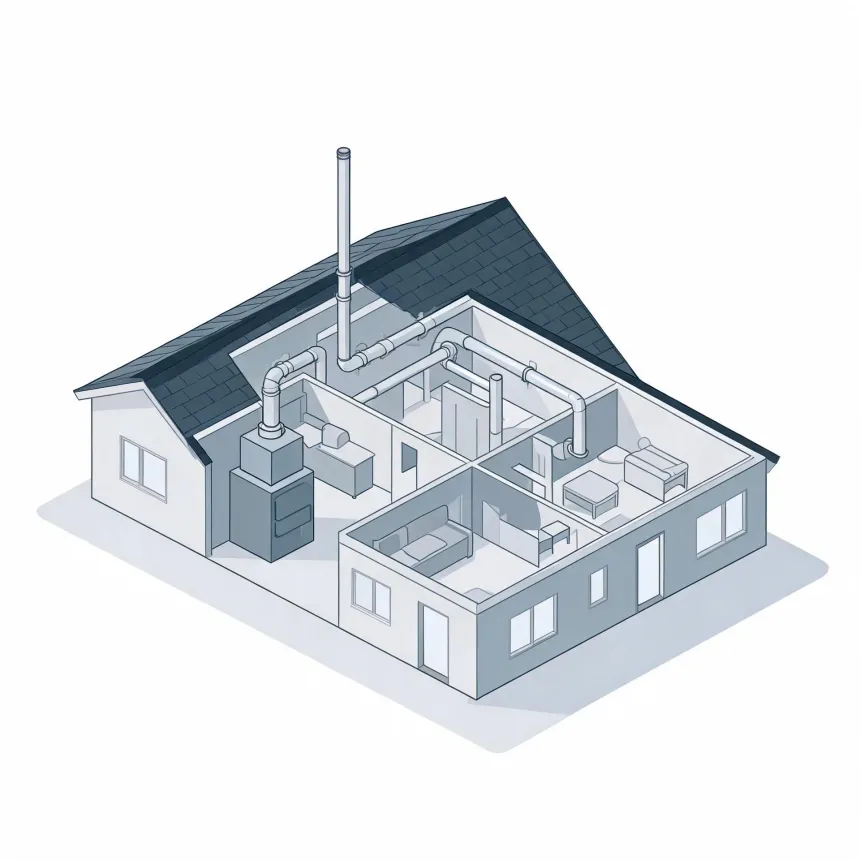
Isometric cutaway illustration of a single-story house showing interior rooms with furniture, a furnace unit connected to ductwork and a tall flue pipe extending through the roof.
Your furnace works hardest from November through March.

NOAA nClimDiv, 1991–2020 normals

Furnaces in Walker County start running in October.

A furnace that fails in September gets replaced on your schedule, not during a cold snap.

A standard furnace sized to a typical home here is all this county asks for

Half the homes here were built by 1978
Heat runs October through April
Winter nights average 33°F
A standard furnace fits hereElectricity runs $41.27 per million Btu in Georgia, and nothing about LaFayette changes that math.

A furnace sized right for the space runs long, steady cycles and shuts off once the thermostat is satisfied. One sized too big blasts the room to temperature fast, shuts off, then starts again a short while later. That short cycling wears the igniter and the blower motor harder than steady use ever would. It also leaves cold spots because the air never really circulates, it just gets dumped and cut off. A furnace too small has the opposite problem. It runs long after it should have caught up, working hardest on the coldest days when you need it most. Getting the size right starts with a load calculation, weighing the square footage against the windows, the insulation, the ceiling height and how the place is laid out room by room. It's worth doing even on a straight swap. The furnace that came with the house was sized for the house as it was then, and additions, new windows or added insulation can all change what's needed now.

This climate doesn't call for a bigger furnace

Seven months of heat a year, and overnight lows averaging 33 in the dead of winter, isn't a hard ask for a furnace. A standard model sized to the house will handle it without strain. That's one less reason to pay for more furnace than this county needs.

Find a contractor
A person in a dark long-sleeved shirt and tan pants, seen from behind, carries a worn canvas tool bag up stone steps toward a blue front door with a shrub in a blue planter beside it.
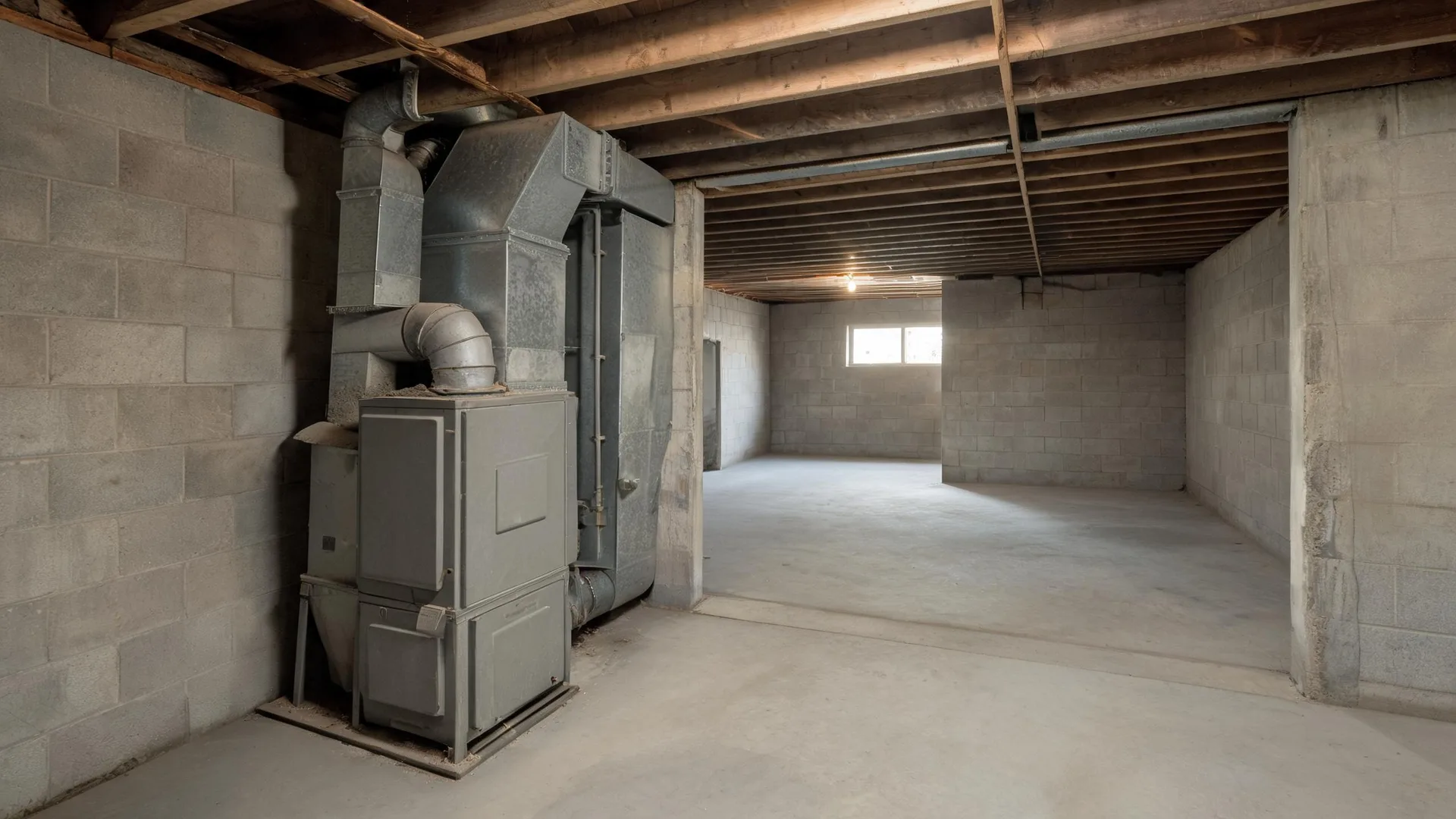
A gas furnace with attached ductwork, gas piping, and condensate lines installed in a concrete-block basement.

A full season of work, nothing more

Seven months of running time a year is a moderate workload, and a 33 degree average overnight low in winter isn't extreme cold. Pick a standard furnace sized for the house and move on to the next decision. The money is better spent on getting the size right than on upgrading efficiency a system here will rarely be pushed to use.

Ask what the warranty actually covers

A furnace warranty usually splits into parts and labor, and they don't always match. The manufacturer might cover the heat exchanger or gas valve for years, but the labor to replace them is often covered by the installer for a much shorter window. Ask who's on the hook for labor after that first year, because a part covered for free doesn't help much if the visit to install it isn't.
Ask how they're venting it

A furnace needs somewhere for exhaust to go, and the venting has to match the furnace's efficiency rating. An installer should be able to say plainly whether your home's existing vent pipe works with the new unit or whether it needs to change. If the answer is vague, that's a sign the venting wasn't actually looked at yet, and it's not something to leave for the install day to sort out.

The efficiency rating on a furnace, the AFUE number, tells you how much of the fuel it burns actually turns into heat for the house versus how much goes out the vent. A higher rated furnace wastes less, but that number only pays off if the furnace runs enough hours to make the difference add up. The same rating that's worth paying extra for in a place with a long, hard winter might never earn its keep somewhere the furnace barely gets pushed. It also doesn't tell you anything about comfort or how evenly the house heats, that comes down to sizing and ductwork, not the rating on the label. A contractor can walk you through what rating actually fits a furnace that's doing a moderate season's worth of work, rather than selling you on the highest number they stock.

The furnace itself is one cost, and what the contractor has to do to put it in is another. A straight swap, same fuel type, same spot, same vent run, is the simplest job there is. Add a fuel switch, a vent that needs rerouting, or ductwork that has to be modified to match the new unit, and the labor and materials add up fast. The thermostat and any electrical work matter too, especially if the new furnace needs a circuit the old one didn't. None of that shows up on the furnace's price tag. It shows up in the quote, and it's why furnaces with the same rating can cost very different amounts to actually install.