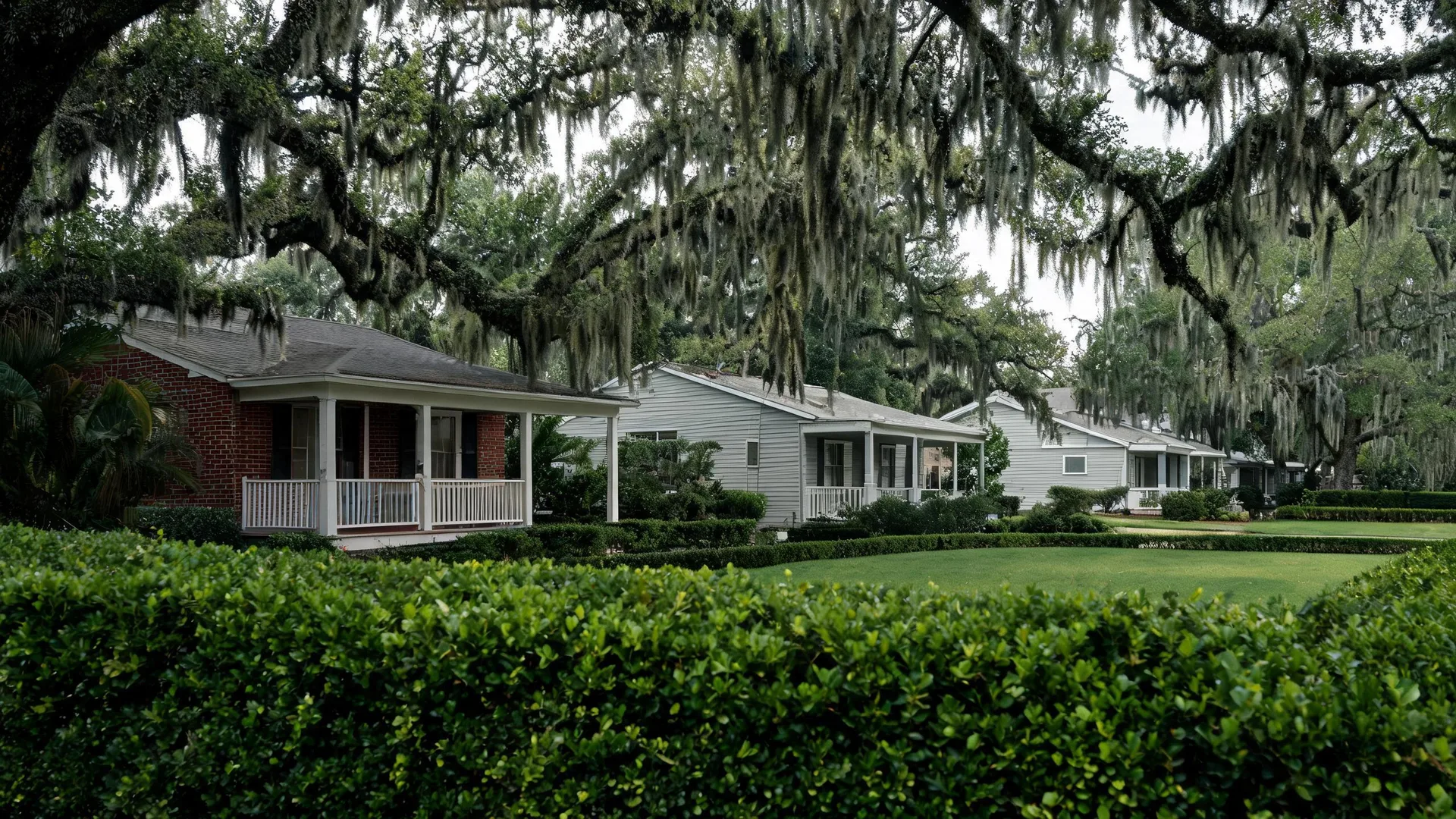
A row of single-story cottages, one brick and the others light gray siding with covered porches, behind a trimmed hedge and lawn, under large oak branches draped with Spanish moss.

Furnace Installation in Mableton, GA

Tell us about the job

Takes about a minute. No obligation.

New system or replacementFurnace or heatingCobb County, GA
Step 1 of 2

What ZIP code is the job in?

Cobb County sees real storm damage

Cobb County logged 105 severe weather events between 2015 and 2024, including dozens of damaging wind events and a handful of tornadoes. A furnace itself sits indoors, but the outdoor condenser for a paired AC system doesn't. Wind-driven debris and hail are worth planning around when you decide where that unit goes and whether it needs a cover or guard.


Power loss affects how you heat

Nearly a third of Georgia households were without power for 24 hours or more at some point in 2024. A gas furnace with electronic ignition won't run without power, and even a standing pilot model still needs electricity for the blower. If an outage during a cold stretch concerns you, ask about backup power options when you install.

6 months
November through April, your furnace is on duty
34°F
the average winter night it heats against
68%
of homes here heat with gas, so most furnaces here burn gas
80% AFUE
the federal minimum any new unit must meet
Isometric cutaway illustration of a single-story house with a dark shingled roof, showing interior rooms with beds and furniture, overhead ductwork, and a gray furnace with a tall flue pipe at the exterior wall.
Your furnace works hardest from November through March.

NOAA nClimDiv, 1991–2020 normals

Most homes in Cobb County heat with gas, at 68.2 percent.

If your house already runs on gas, a new furnace that matches it is the straightforward replacement.

When storms knock out power, your furnace needs a way to run

105 severe weather events from 2015 to 2024
31% of homes statewide lost power a day or more in 2024
70 damaging wind events from 2015 to 2024

Natural gas ran $17.66 per million Btu in Georgia in 2024. That's cheap compared to most of the country, which changes the math on a new furnace. The highest-efficiency model on the lot will cost more up front and take longer to earn that back through lower bills here than it would somewhere with pricier gas. That doesn't make efficiency a bad idea. It just means it shouldn't be the only thing you're weighing. A unit that holds up through a power outage and fits your ductwork is worth more to you here than a fraction of a percent on the efficiency rating.

Pick reliable, not top of the line

It won't be worked hard here, so pick a reliable system that fits. You don't need the top efficiency model.

Find a contractor
A man in a cap, dark long-sleeve shirt, tan work pants and boots walks up wooden porch steps toward a teal front door, carrying a canvas tool bag with hand tools.
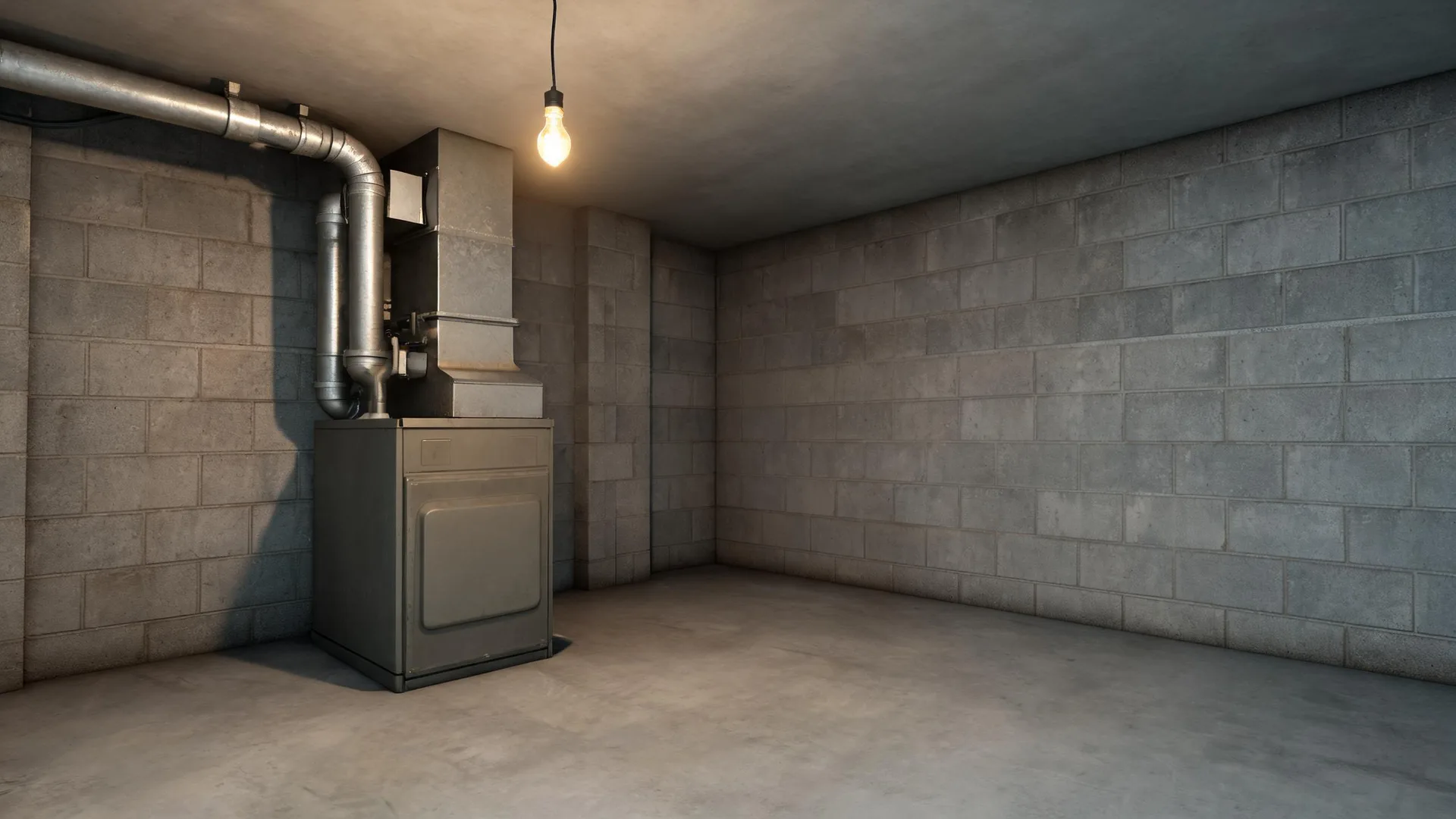
A gray residential gas furnace installed in an unfinished basement, connected to sheet-metal ductwork and PVC pipes.

Get it done before November

Heat goes on in November here and runs through April. That's the window the furnace has to be ready for. Put a new one in during October and the install happens on a mild afternoon, with time to test it before it has to work. Wait until the first cold snap and you're choosing a system in a hurry, maybe after the old one already quit.

AFUE is a measured number, not a guess

The AFUE rating on a furnace label is tested under set conditions, so it tells you how much of the fuel actually turns into heat in your house versus what goes out the flue. It doesn't tell you how fast the house heats up or how big a system you need. A smaller furnace with a high rating can still leave a house cold if it's sized wrong for the ductwork and rooms it's feeding.

The rating pays off through the furnace's whole life, not the purchase

A higher AFUE furnace almost always costs more to buy than a lower rated one. The difference shows up later, spread across every month the furnace runs, as a smaller gas bill than you'd get from the cheaper unit. How fast that adds up to something worth noticing depends on how much the furnace actually runs and what gas costs where you live, so it's worth asking an installer to walk through both numbers before deciding which model makes sense for the job.

An unfinished basement containing a metal furnace with ductwork, exposed wooden joists on the ceiling, cardboard boxes, a coiled cable, and a single hanging incandescent bulb.

A high-efficiency gas furnace would save about $110 a year to run in Cobb County compared with a gas furnace.

  • A high-efficiency gas furnace$600 a year
  • A gas furnace$710 a year

Estimates for a typical Cobb County home, from EIA household energy data, Georgia fuel prices and NOAA climate normals. Your home will differ.

A furnace swap starts with the old unit coming out, and that alone can take a few hours if it's wedged into a closet or crawlspace with tight clearances. The installer checks the vent and the gas line before anything new goes in, because a line or flue sized for one unit doesn't always suit another. Ductwork gets a look too. If the new furnace moves a different amount of air than the old one, the plenum or a few runs near it might need adjusting to match. Once it's set and connected, the installer fires it up and runs it through a full cycle, checking the flame, the temperature rise, and the pressures against what the manufacturer specifies. That test run is what tells you it's actually working right, not just installed.