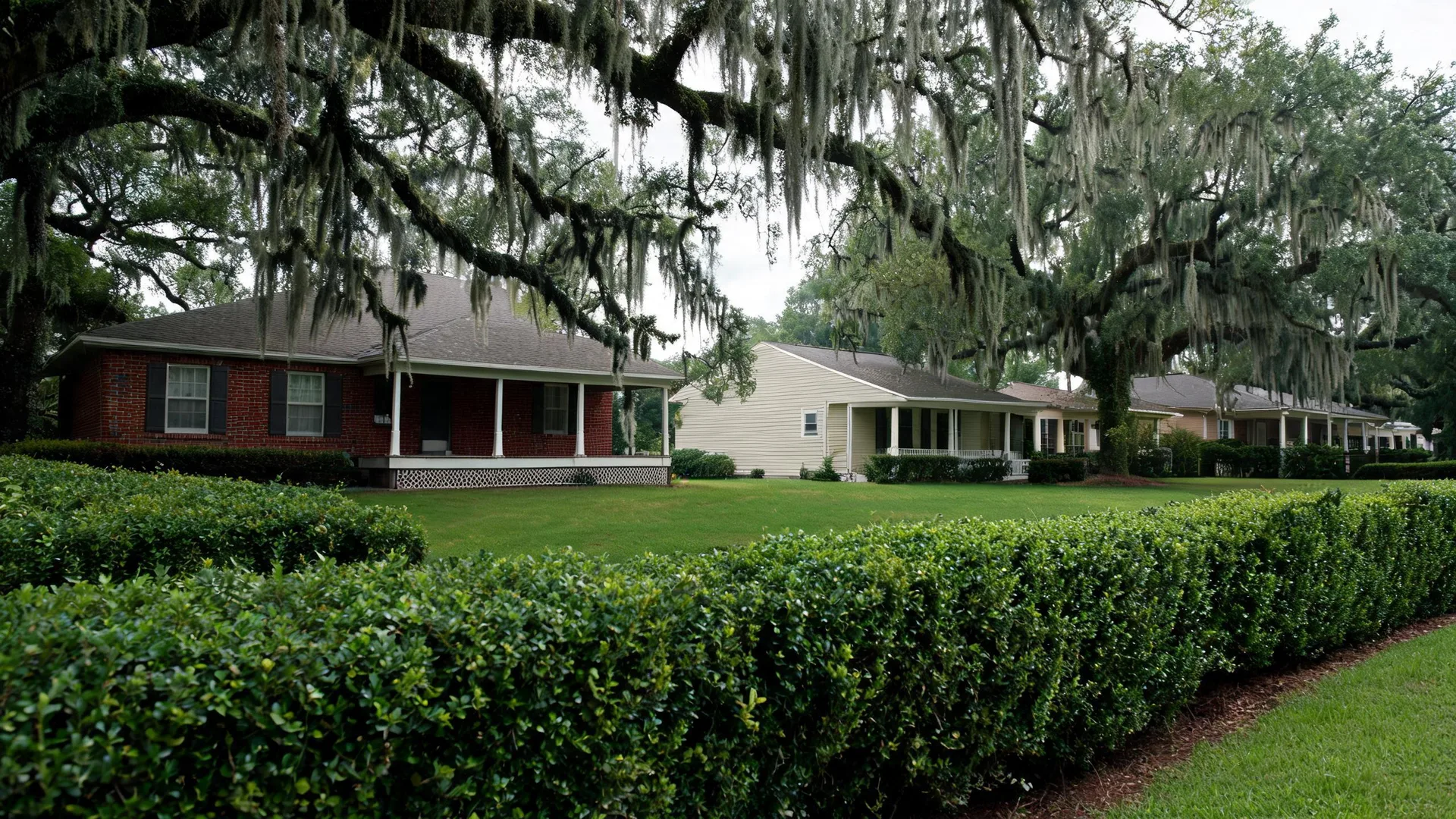






A row of single-story houses, the nearest of red brick with a covered porch and others with light siding, set behind a mowed lawn and a tall trimmed hedge, with large oak trees draped in Spanish moss overhead.

Furnace Installation in Statesboro, GA

Tell us about the job

Takes about a minute. No obligation.

New system or replacementFurnace or heatingBulloch County, GA
Step 1 of 2

What ZIP code is the job in?

Bulloch County saw 174 severe weather events between 2015 and 2024, and damaging wind caused most of them. A new furnace installation is a chance to plan for what happens when the power drops. Furnaces need electricity to run the blower and ignition even if the fuel is gas, so a storm that knocks out power stops the heat too. Ask the installer about a transfer switch or backup power if you want heat during an outage. Nearly a third of Georgia households went at least a full day without power in 2024, which makes this worth deciding now rather than after the next storm.

5 months
November through March, your furnace is on duty
39°F
the average winter night it heats against
80% AFUE
the federal minimum any new unit must meet
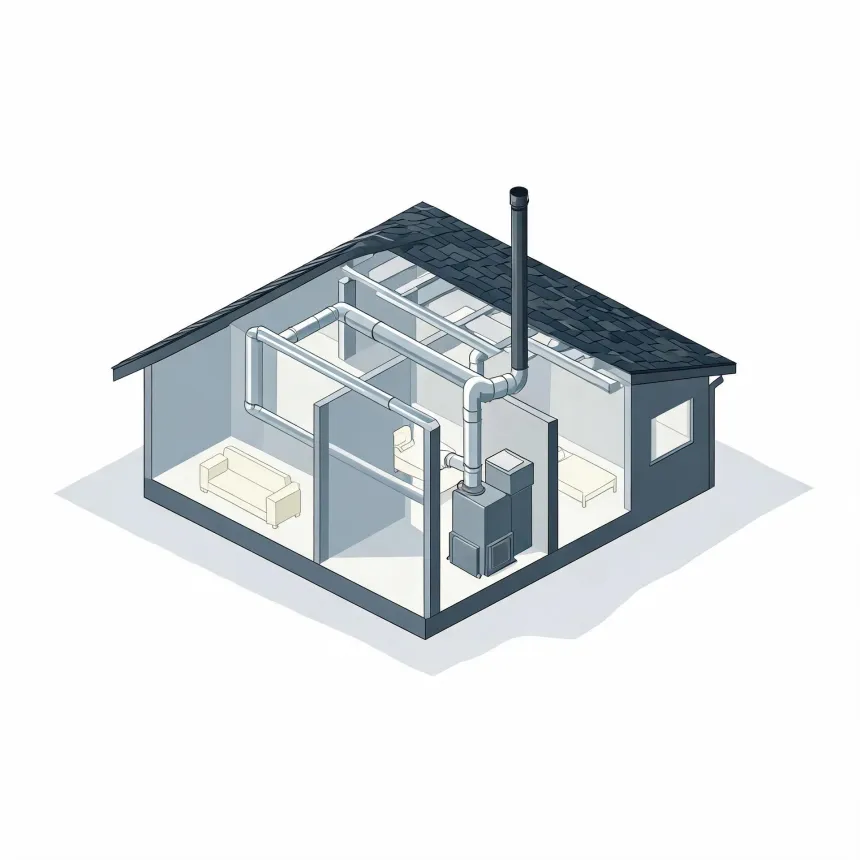
Isometric cutaway illustration of a small single-story house showing a furnace with a flue pipe through the roof and ducting running to rooms containing a sofa, chair and bed.
Your furnace works hardest from November through February.

NOAA nClimDiv, 1991–2020 normals

October is the month before heat season starts in Bulloch County.

Get the furnace installed in October and it's broken in and ready before that first November night.

Most homes near Statesboro heat with electricity

90% of homes heat with electricity
Heat runs November through March
Winter nights average 39°F
Power here is cheapElectricity ran $41.27 per million Btu in Georgia in 2024, so paying more upfront for the highest-efficiency furnace takes longer to earn back here.

If backup power matters to you, talk to the installer about where it connects before the furnace goes in. A transfer switch has to be wired into the electrical panel. That is easier to plan during installation than to add later. Placement matters too. A generator or battery setup needs its own clearance and ventilation, separate from the furnace. Ask what size backup would actually run the blower and ignition, since not every unit covers a full furnace load. Settling this now means one visit instead of two.

Pick reliable, not top of the line

It won't be worked hard here, so pick a reliable system that fits. You don't need the top efficiency model.

Find a contractor
A man in a dark T-shirt, backwards cap and brown work pants, seen from behind, climbs porch steps toward a blue paneled front door while carrying a canvas tool bag, with a potted shrub in a blue planter to the right.
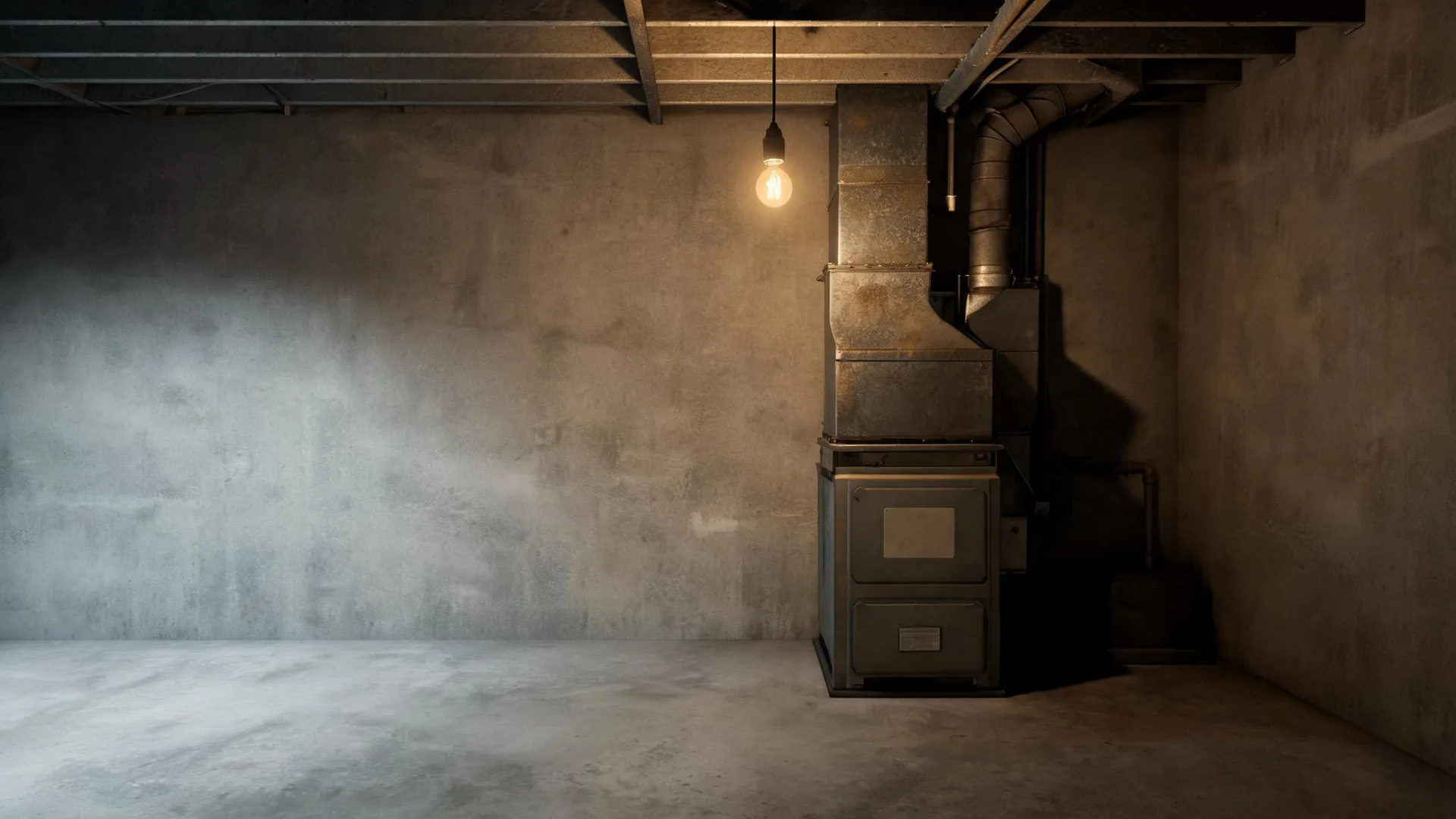
A gas furnace with attached ductwork, gas piping, and condensate lines installed in a concrete-block basement.

The old furnace doesn't get a second life, it gets hauled out

The old furnace doesn't get reused anywhere else in the house. Once it's disconnected, the heat exchanger and burners get scrapped, and the gas line and vent connection it used get capped or repurposed for the new unit. If the furnace is old enough, it may have a standing pilot or a draft system that today's venting doesn't match, which is one more reason the vent gets checked rather than reused by default. Anything left behind, old ductwork tied only to that unit, a thermostat wire rated for a simpler control board, gets evaluated at the same time rather than left for later. The goal on removal day is a clean slate for the new system, not a patch job on the old one.

AFUE tells you what's lost up the flue

The number on the label is the percentage of fuel that turns into heat in the house. The rest goes out the vent as exhaust. A furnace rated in the low nineties loses less that way than one rated in the eighties. It doesn't describe how warm the house gets or how fast, just how much fuel it takes to get there.
The rating doesn't change what size you need

A high AFUE furnace that's the wrong size for the house still short cycles or runs long and comes up short on the coldest night. The load calculation decides the size. The AFUE rating is a separate choice, about how much fuel that correctly sized furnace burns to do the job.

A few questions tell you more than any brochure. Ask what happens to the warranty if someone other than the installer touches the unit later, since some manufacturers void it over that. Ask whether the quote includes new venting or just reuses what's there, because a furnace swap sometimes needs a different vent size than the old one. Ask how the installer handles the gas line and whether it gets pressure tested after the connection is made. Ask what the duct static pressure reading was, not just assumed, since a furnace pushing air through undersized ducts will run hotter and shorter than it should. And ask what's actually in writing if the system fails inspection or doesn't perform as sized, because that answer tells you more about the company than anything on the spec sheet.

Installation day starts with the old furnace coming out, and that part goes quick. What takes the time is everything around it. The installer checks the vent, the gas line, and the ductwork before the new unit ever gets set in place, because those have to match what the new furnace needs, not what the old one needed. Once it's set, there's wiring to the thermostat and control board, a gas line connection that gets pressure tested, and the vent sealed and checked for a proper draft. Before anyone leaves, the system gets fired up and run through a full cycle, checking the temperature rise through the furnace and the airflow at the register. A furnace that's installed right gets tested while the crew is still there, not left for you to find out on the first cold night.