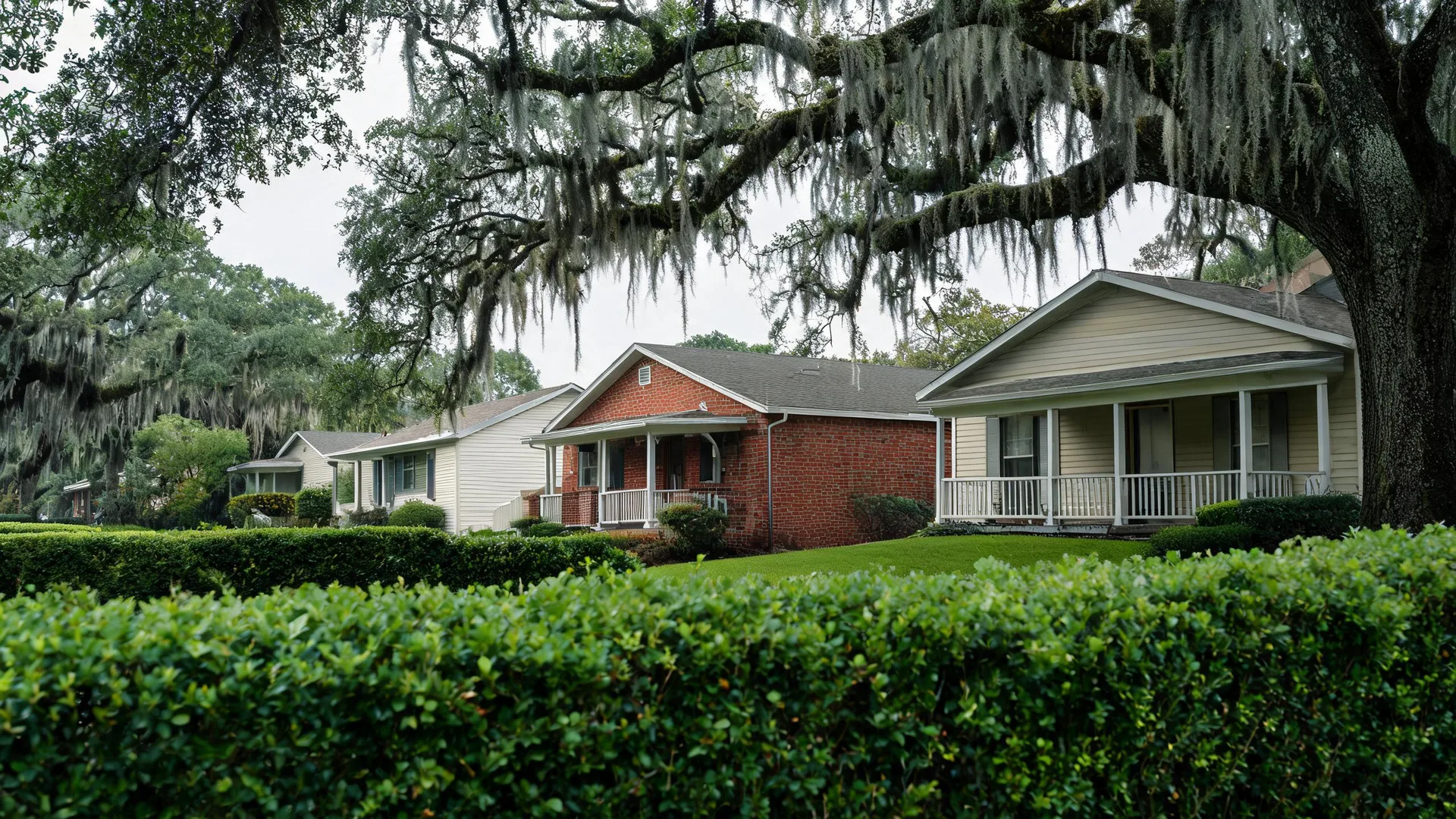





A row of single-story houses, one brick and others with light siding and covered porches, set behind a trimmed green hedge and lawn, under large oak branches draped with Spanish moss.

Furnace Installation in Dallas, GA

Tell us about the job

Takes about a minute. No obligation.

New system or replacementFurnace or heatingPaulding County, GA
Step 1 of 2

What ZIP code is the job in?

The old furnace doesn't just get unplugged and left behind. A tech disconnects the gas line and caps it off, pulls the flue connection, and takes the unit apart to get it out the door, since most won't fit through in one piece once they're that old. The ductwork and gas piping that connected to it usually get reused, with new fittings where the new furnace needs a different connection size. If the old unit had a standing pilot or an older ignition system, the new furnace will need a different thermostat wiring setup, so that gets swapped during the same visit. Whatever gets hauled out goes to a metal recycler rather than a landfill, since furnace cabinets are mostly steel.

7 months
October through April, your furnace is on duty
34°F
the average winter night it heats against
52%
of homes here heat with gas, so most furnaces here burn gas
80% AFUE
the federal minimum any new unit must meet
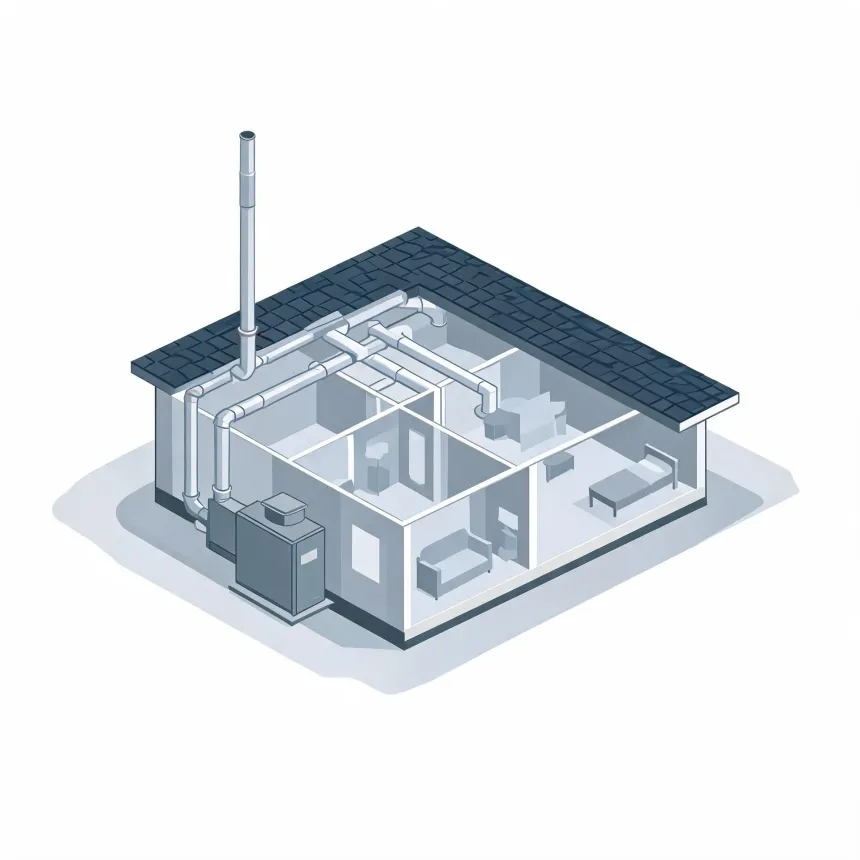
Isometric cutaway illustration of a single-story house with a dark shingled roof, showing interior rooms with furniture, a ducted air distribution system, a tall vertical flue pipe, and a gray furnace unit outside the wall.
Your furnace works hardest from November through March.

NOAA nClimDiv, 1991–2020 normals

A furnace sized off square footage alone is a guess, not a calculation.

A load calculation looks at insulation, windows, and layout, so the furnace matches the house instead of just its size.

Most homes in Dallas heat with gas, so a gas furnace is the straightforward replacement

51.6% of homes heat with gas
Heat runs October through April
Winter nights average 34°F
Get the new furnace in before OctoberHeat runs here from October through April, about seven months a year

Gas here runs $17.66 per million Btu, which is on the low side for the country. That changes how to think about a new furnace. A high-efficiency model still burns less gas than a standard one, but at this price the savings take longer to add up to what the upgrade cost. For a lot of homes here, the better reason to pick one furnace over another is how well it holds up through a bad winter storm and how well it matches the house, not the fuel bill. Worth asking about either way, but don't let the efficiency number alone make the decision.

A new furnace here has to clear 80 percent AFUE

Furnaces sold here now have to hit at least 80 percent AFUE. That's the federal floor, and it holds until December 2028, when new units have to reach 95 percent. Zone 3A's winters are short and mild, so even a furnace at the minimum is working with the climate, not against it. A system installed now meets the rule as it stands today.

Find a contractor
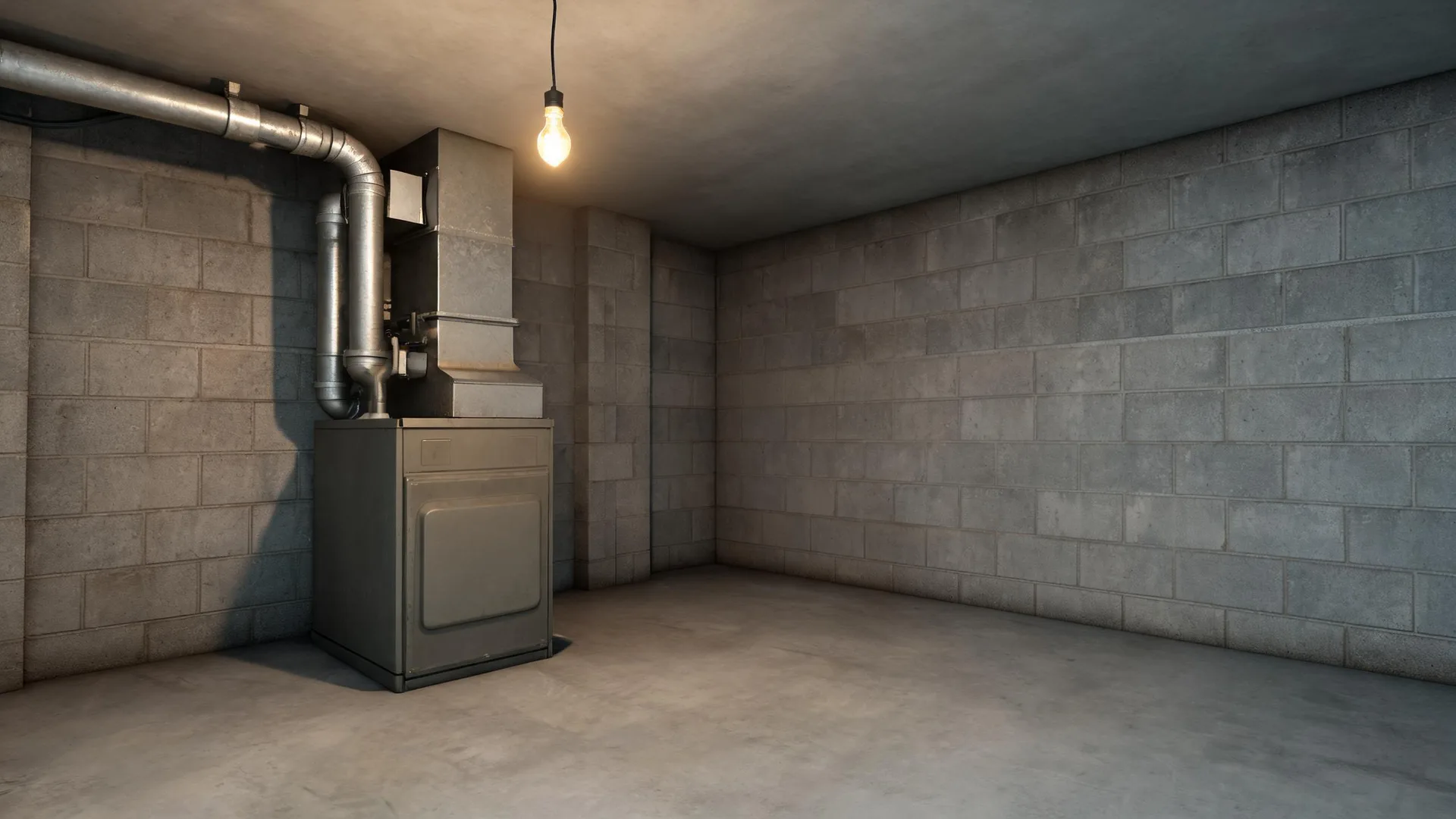
A gray residential gas furnace installed in an unfinished basement, connected to sheet-metal ductwork and PVC pipes.

What to ask besides the price

Furnaces with the same AFUE number can still age differently. One has a heat exchanger that holds up cycle after cycle, a draft inducer that doesn't strain, and a control board that survives a brownout without frying. Another cuts corners somewhere that doesn't show until it fails. Ask what the heat exchanger is made of and how long it's warrantied, since that's the part that's expensive to replace and dangerous when it cracks. Ask whether the inducer motor and igniter are common stock parts or something the installer has to special order on a service call. A furnace that only runs part of the year doesn't rack up hours the way one further north does, so what matters more is whether it starts reliably on the coldest morning of the season, not how many cycles it's rated for. Ask what happens if the power drops mid-cycle, whether it picks back up on its own or needs someone to reset it. That tells you more than the efficiency sticker does.

The size of the furnace, not just its price tag

A bigger furnace costs more up front, but the right size isn't a bigger number. One sized correctly for the house runs longer, steadier cycles and wears less. One sized wrong, in either direction, costs more to run and breaks down sooner, so the install price and the furnace's working life are tied together from day one.

What the ductwork and gas line are set up for

If the existing ducts and gas piping fit the new furnace's connections, the job is a straightforward swap. If the new unit needs a different vent configuration, a bigger gas line, or ductwork modified to handle its airflow, that work gets added to the install. It's worth asking a contractor to check this before assuming the quote is final.

An unfinished basement containing a metal furnace with ductwork, exposed wooden joists on the ceiling, cardboard boxes, a coiled cable, and a single hanging incandescent bulb.

A high-efficiency gas furnace would save about $110 a year to run in Paulding County compared with a gas furnace.

  • A high-efficiency gas furnace$610 a year
  • A gas furnace$720 a year

Estimates for a typical Paulding County home, from EIA household energy data, Georgia fuel prices and NOAA climate normals. Your home will differ.

The installer starts by checking the gas line pressure and the vent sizing against what the new furnace actually needs, before anything gets bolted in. The furnace gets set in place, leveled, and connected to the ductwork through a new transition if the sizing changed. Gas line hookup and venting come next, then the thermostat wiring gets matched to the new control board. Once it's all connected, the igniter gets tested, the burners get checked for a clean flame, and the system runs through a full heating cycle while the technician checks the temperature rise and airflow. The last step is checking for gas leaks at every joint that was touched that day, not just the main connection.