A row of single-story houses with porches, one brick and others with pale siding, behind a trimmed hedge and lawn, under oak branches draped with Spanish moss.

Furnace Installation in Rincon, GA

Tell us about the job

Takes about a minute. No obligation.

New system or replacementFurnace or heatingEffingham County, GA
Step 1 of 2

What ZIP code is the job in?

Effingham County sees its share of severe weather

Effingham County logged 161 severe weather events between 2015 and 2024, including damaging wind, hail, a handful of tornadoes, and the occasional tropical storm. A furnace going in here should hold up against what blows through, and the outdoor equipment needs a spot that keeps it clear of debris and hail.


Power doesn't always come back fast

Almost a third of Georgia households went a full day or longer without power in 2024. A furnace runs on electricity even when it burns gas, so when the grid goes down, so does the heat. Worth asking the installer what backup options make sense for this house.

5 months
November through March, your furnace is on duty
39°F
the average winter night it heats against
80% AFUE
the federal minimum any new unit must meet
Isometric cutaway illustration of a single-story house showing interior rooms, furniture, a dark furnace unit with a tall vertical flue pipe, and ductwork running under the pitched shingle roof.
Your furnace works hardest from December through February.

NOAA nClimDiv, 1991–2020 normals

91 percent of homes in Effingham County heat with electricity.

An electric furnace or heat pump is the straightforward replacement for almost every house here.

Electricity here runs $41.27 per million Btu, so the payback math favors a furnace that holds up over one that shaves a few dollars off the bill

Heat runs November through March
Winter nights average 39°F
Climate zone 2A

Furnace here only has to work about five months a year, November through March. Overnight lows average 39°F through the coldest stretch of winter, December through February, which is mild as heating loads go. That's not a hard duty cycle. A furnace sized and installed right for this house will spend most of the year sitting idle, so the case for the top efficiency tier is weaker here than somewhere with a long, cold winter. What matters more is a unit that starts reliably after a storm knocks the power out and keeps running for the few months it's actually needed.

Meet the standard here

A new system here has to meet this region's minimum efficiency, which limits what can go in.

Find a contractor
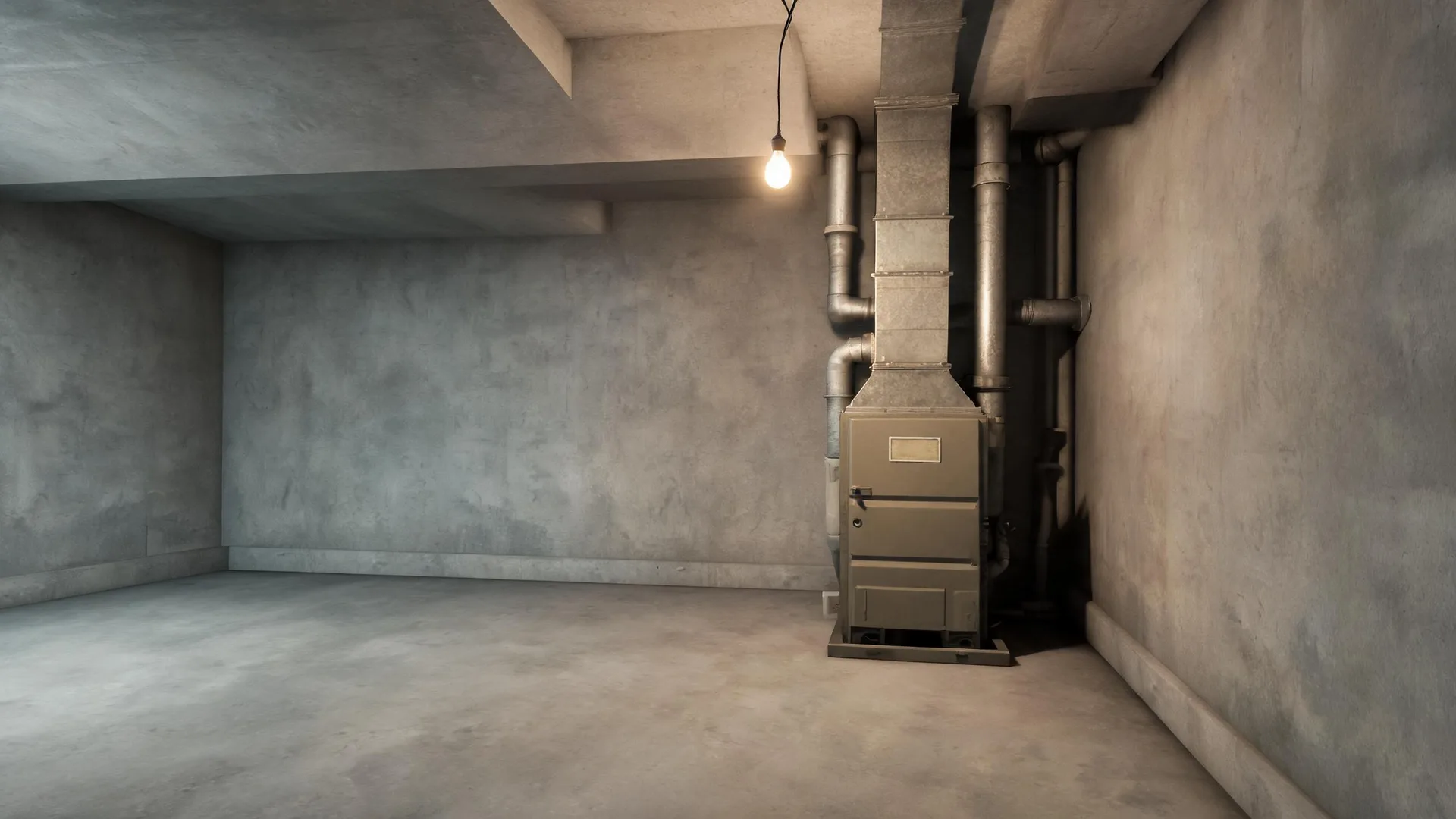
A gray gas furnace with attached ductwork and piping installed in an unfinished concrete basement.

Get it done before November, not during it

Heat here runs November through March, about five months. October is the month to get this done. Wait until the first cold snap and you're one of many homeowners calling around, trying to get someone out before a hard freeze hits. Handle it in October and the install happens when the contractor has time to size the job right and you have time to compare quotes. The furnace itself doesn't care what month it goes in. Your schedule does.

AFUE tells you what's wasted, not what you'll pay

AFUE is the share of fuel a furnace turns into heat for the house. The rest goes out the flue. A furnace rated higher wastes less fuel doing the same job. That's a fact about the machine, not a promise about any particular bill, since the ductwork and the thermostat settings play into that too.

A higher rating usually means a different kind of furnace

Furnaces that hit the top efficiency tier generally do it with a second heat exchanger that pulls more heat out of the exhaust before venting it outside. That changes what the install needs. It needs a condensate drain for the moisture that design produces, and venting run in plastic pipe instead of metal. It's a more involved job, not just a better label on the box.

The equipment itself is one line item. The rest of the cost is what it takes to connect it to this house. If the new furnace is a different size or shape than the old one, the plenum and the first few feet of duct usually need rework to fit it. A furnace bigger than the last one may need a larger gas line to feed it, or a dedicated circuit for the blower. Moving a furnace to a new spot means running fresh gas pipe, vent pipe, and ductwork instead of reconnecting to what's already there. The age of the existing setup matters too. A contractor who finds old ductwork or a vent that no longer meets code has to deal with that before the new unit goes in, not after.

Installation day starts with the old furnace coming out, and that alone can take a couple hours if it's tied into a lot of ductwork or shares a flue with a water heater. The crew checks the gas line, the vent, and the electrical before anything new goes in, since all of that has to match what the new unit needs. Setting the furnace itself is usually the fastest part of the day. What takes the time is sealing the duct connections, running the new vent pipe, and wiring the thermostat, then testing the ignition and airflow before anyone calls it done. A tech should fire it through a few full cycles, not just one, to make sure it starts clean and the blower settles into a steady pattern. Expect the gas to be off for part of the day and the house to go without heat until the last connection is tested and signed off.