





Two illuminated white colonial-style houses with wrap-around porches, flanked by oak trees draped in Spanish moss, photographed at night.

Furnace Installation in Winder, GA

Tell us about the job

Takes about a minute. No obligation.

New system or replacementFurnace or heatingBarrow County, GA
Step 1 of 2

What ZIP code is the job in?

Most homes in Barrow County heat with electricity, at 78.6 percent. That makes an electric furnace or heat pump the common choice, and parts and service for them are easy to find here. Gas heat is out there too, with utility gas running 18.1 percent of homes and LP gas another 2 percent, but it's the smaller share. If your home already has a gas line run to it, that's worth keeping in mind when you replace what's there. For most homes here though, matching what you already have is the straightforward path.

6 months
November through April, your furnace is on duty
35°F
the average winter night it heats against
80% AFUE
the federal minimum any new unit must meet
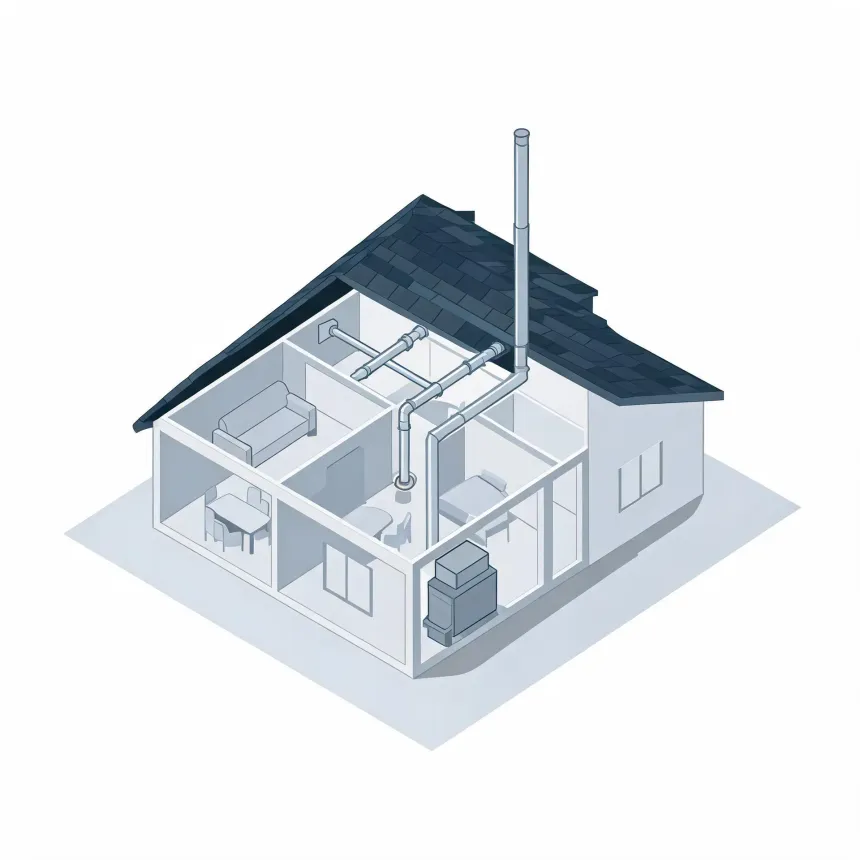
Isometric cutaway illustration of a single-story house showing interior rooms with furniture, ductwork and piping running to a tall vertical flue through the dark shingled roof, and a furnace-like appliance unit on the floor.
Your furnace works hardest from November through March.

NOAA nClimDiv, 1991–2020 normals

Furnaces in Barrow County start running in November.

Have a new one in before October ends, and you're not choosing a system in a cold house.

Nothing here calls for sizing up

37 severe weather events from 2015 to 2024
31% of homes statewide lost power a day or more in 2024
24 damaging wind events from 2015 to 2024
Nothing here calls for sizing upSix months of heat a year, and overnight lows averaging 35°F, is a mild load to plan around.

The efficiency number on a furnace is the AFUE rating, and it tells you how much of the fuel you burn turns into heat in your home versus what goes out the flue. A high-efficiency furnace is condensing, it pulls enough heat out of the exhaust that it needs a second, plastic drain line for the water that condenses out. Lower-rated furnaces vent through metal pipe instead, because the exhaust stays hot enough that it has to. That difference changes what the installer has to run into your house, not just what gets bolted to the plenum. An electric furnace doesn't carry an AFUE rating at all, since there's no combustion and almost all the electricity put in becomes heat. If you're comparing quotes, ask what's actually involved in hitting the rating they're proposing, not just the number on the sticker.

A standard furnace is the right call here

Electricity here runs $41.27 per million Btu, and that's the number a furnace this size is built around. Nothing about Barrow County's winters pushes you toward a bigger unit or a higher efficiency tier to manage that cost. A standard size, matched to your home, is the right call.

Find a contractor
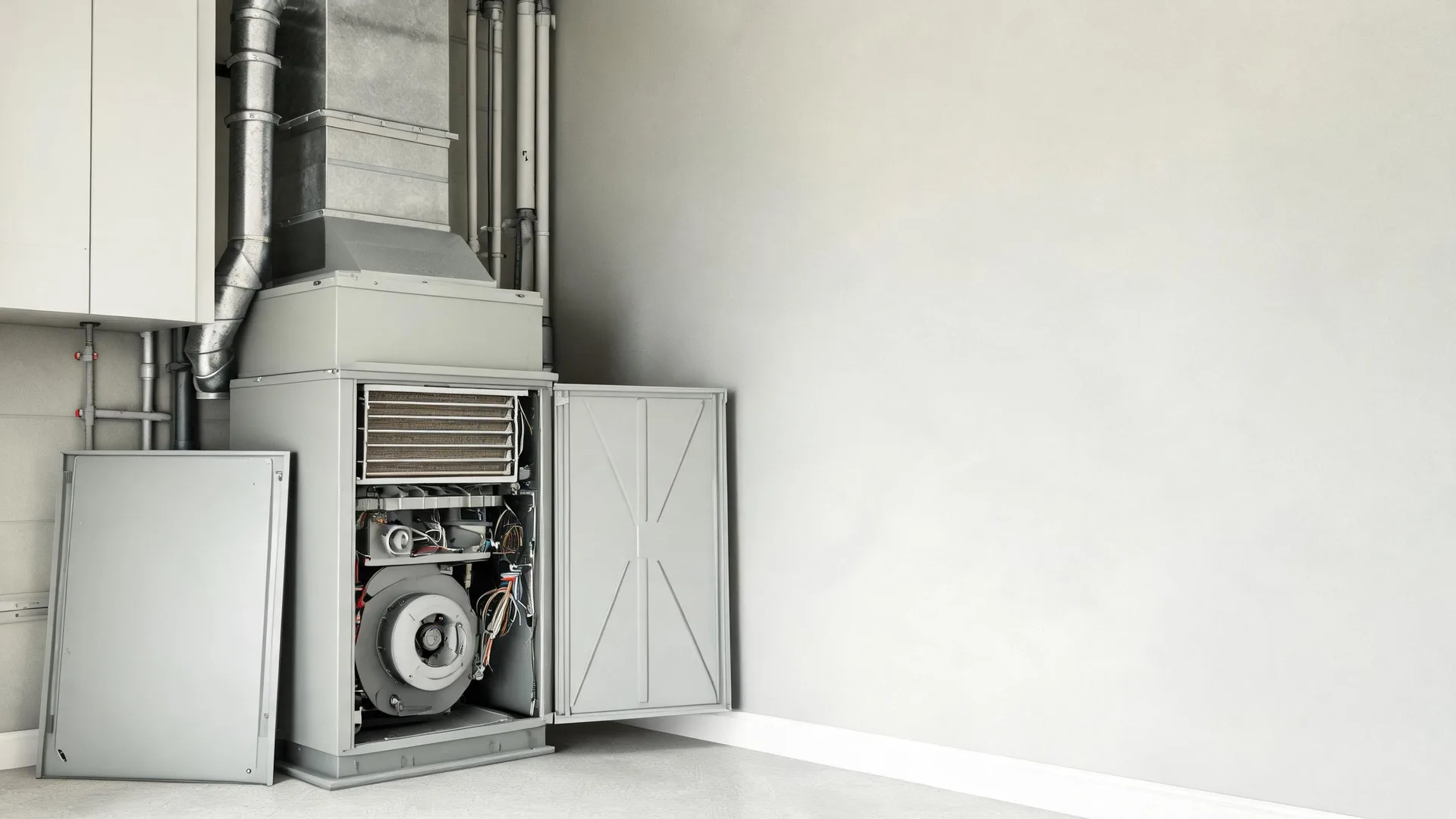
A gray residential gas furnace installed in an unfinished basement, connected to sheet-metal ductwork and PVC pipes.

Six months a year, nothing extreme

Picture six months on, six months off, year after year. That's a short season for a furnace to earn its keep, and the cold it's working against isn't severe, just a steady 35°F most nights in December and January. A unit built to spec for this won't be straining to catch up on the coldest mornings, because there aren't many of those here. Buy for that reality and skip the upsell.

Sizing comes from a heat loss calculation, not the old unit's label

A contractor works out the right size room by room, looking at square footage, window area, insulation and how the walls and ceiling are built. That math is what sets the size, not whatever furnace happened to be in the house before. Homes that look alike from the outside can call for different sized furnaces if one holds heat better than the other.
Oversized runs worse than it sounds

A furnace too big for the house heats the air fast and shuts off before it's pulled the chill out of the walls and furniture, so the room feels warm and then cold again in short order. That start stop pattern wears on the igniter and the blower motor, and parts of the house never even out. Right sized means longer, steadier runs, which is what actually keeps a house warm.

The old furnace doesn't go back on a truck in one piece. Once it's disconnected, it gets cut down into sections small enough to carry out, especially if it came in before a doorway got widened or it was lowered into place before other things got built around it. From there it's hauled off as scrap metal, and a lot of what's in a furnace cabinet, the steel, the copper in the wiring, gets recycled rather than landfilled. If the old one was a gas furnace, the vent pipe tied to it either gets reused for the new unit or capped off and removed, depending on what the new furnace needs. The gas line itself stays, usually, just capped at the valve until the new furnace is ready to connect. None of this is the hard part of the day. It just has to happen before the new furnace can go in the same spot.

Installation day starts with the old furnace coming out, and that's often most of the morning if the ductwork or vent needs any rework. A new furnace gets set on the plenum, the gas line or electrical whip gets connected, and the vent gets run or reused depending on what the new unit needs. Ductwork gets sealed where it connects to the cabinet, since a loose joint there leaks heated air into the attic or crawlspace instead of the house. Once it's wired up, the contractor fires it and checks the temperature rise across the furnace, which tells them the airflow is right for that unit. They'll check the gas pressure too if it's a gas furnace, since that number has to sit in a specific range for the burners to run clean. Expect the thermostat to get set up or reconnected last, after everything else is already running.