





An unfinished basement containing a gray HVAC furnace with ductwork, exposed wooden joists, a concrete floor, and miscellaneous clutter in one corner.

Furnace Installation in Hinesville, GA

Tell us about the job

Takes about a minute. No obligation.

New system or replacementFurnace or heatingLiberty County, GA
Step 1 of 2

What ZIP code is the job in?

The old furnace doesn't just get unplugged and left in place. A tech disconnects the gas line and caps it off, pulls the electrical connections, and detaches the duct connections at the plenum. If it's a cabinet unit, it gets cut loose from the supply and return and hauled out whole or in pieces, depending on how tight the space is. Anything venting through a chimney liner gets checked, since removing an old furnace can change how that liner needs to work with the new one. The old unit is hauled away as part of the job, so there's no separate step for the homeowner to deal with scrapping it.

5 months
November through March, your furnace is on duty
41°F
the average winter night it heats against
80% AFUE
the federal minimum any new unit must meet
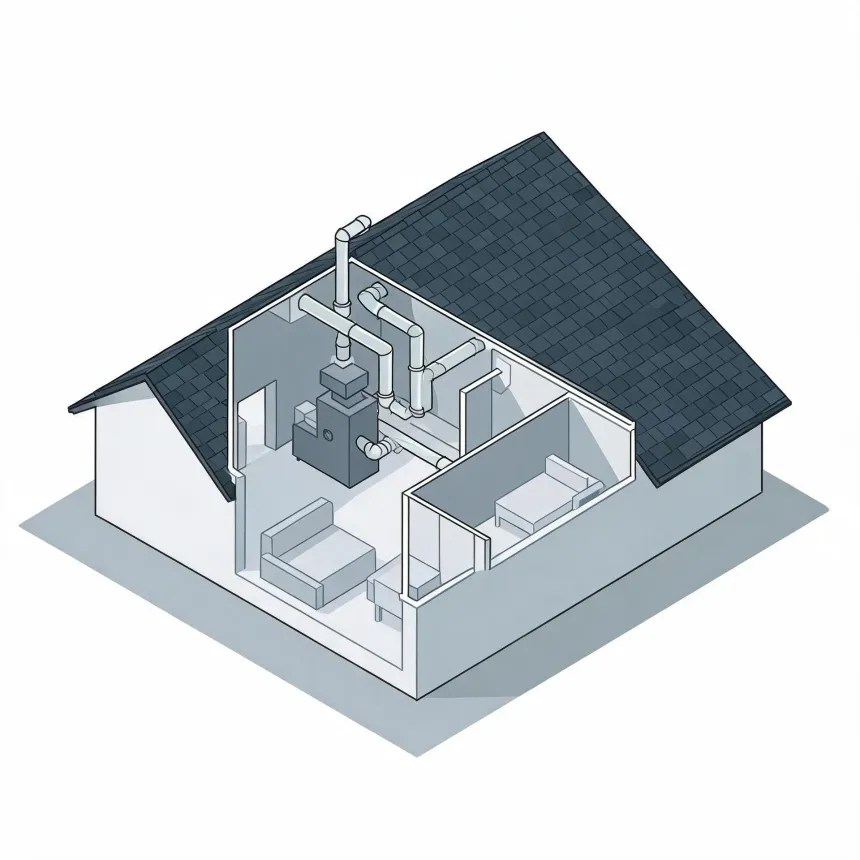
Isometric cutaway illustration of a single-story house with a dark shingled roof, showing interior rooms with furniture and a furnace connected to ductwork.
Your furnace works hardest from December through February.

NOAA nClimDiv, 1991–2020 normals

Furnaces here only run about five months a year, November through March.

A furnace that sits idle most of the year doesn't need to be the top efficiency model to last.

87.2% of homes here heat with electricity, not gas

87.2% of homes heat with electricity
Heat runs November through March
Winter nights average 41°F

Electricity runs $41.27 per million Btu in Georgia, not the cheapest power around. That changes the math on a high-efficiency furnace, since a furnace already running on a short season takes even longer to earn back the extra cost of the top-tier model. What matters more here is a furnace that starts reliably and keeps running when the power is out more than most places see. Fit and reliability are worth paying for. Squeezing out another point of efficiency often isn't.

Install before November, not during it

November is close. Get the new furnace in now and the installer has room to work, and you're not stuck mid-job when the first cold night hits. October is the month to call.

Find a contractor
A man in a dark long-sleeve shirt and tan pants climbs porch steps toward a blue front door, carrying a worn canvas tool bag with tools in its side pockets, beside a potted shrub in a blue planter.
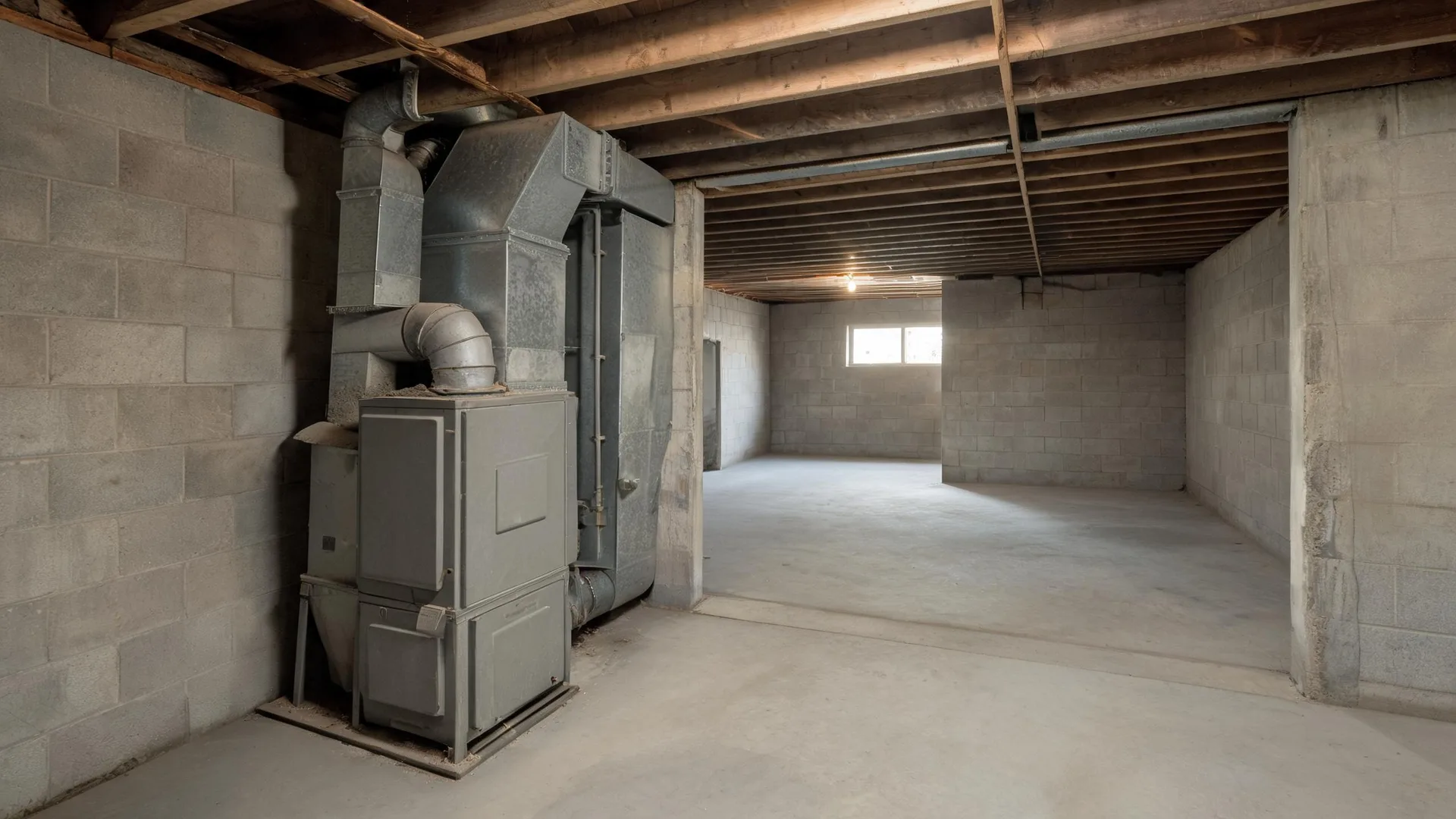
A gas furnace with attached ductwork, gas piping, and condensate lines installed in a concrete-block basement.

Ask what's inside it, not just what it's rated for

Furnaces carrying the same rated output can still behave differently once they're actually running, so ask what's inside before comparing price tags. Ask what the heat exchanger is made of and what it's warrantied for, since that's the part that fails expensive and fails dangerous if it cracks. Ask whether the blower motor runs at one fixed speed or ramps up gradually, since a motor that eases into each cycle puts less strain on the ducts and the furnace itself than one that slams on at full force. Ask what kind of ignition system it uses, since that part gets replaced more often than homeowners expect. A furnace that starts easy and cycles smoothly means fewer service calls over the years it sits in that closet or basement.

Size drives cost more than brand does

A furnace has to be sized to the ductwork and the space it's heating, not just picked off a chart. Too big and it short-cycles, heating the house fast and shutting off before it pulls moisture and evens out the rooms. Too small and it runs constantly and still falls short on the coldest nights. Getting the size right sometimes means resizing ductwork or adding a return, and that work costs more than the furnace itself.
The vent and the gas line aren't optional extras

A furnace needs a flue that matches how it exhausts, and a gas line sized to what it draws. If the new furnace vents differently than the old one, that's new venting, not a swap. If the gas line was undersized for a higher-output unit, that gets corrected before the furnace ever fires. None of this shows up on a spec sheet, but it's part of what makes one installation take longer than another.

The rating on the label tells you how much of each unit of gas becomes heat in the house, and how much goes out the flue unused. A furnace with a higher rating wastes less gas doing the same job, but that number alone doesn't say whether it's the right furnace for the space. A higher rating usually means the furnace condenses its exhaust, which calls for a second heat exchanger and a drain line for that condensate, not just a different burner. That changes how it vents and sometimes where it can go in the house. A furnace with a lower rating vents through a simple metal flue. A condensing furnace vents through PVC pipe, often run straight out a side wall, which can mean new venting even on a straight swap. The rating is worth knowing, but it's one line on the spec sheet, not the whole decision.

Install day starts with the old furnace already gone or coming out first thing, so most of the morning goes to the new one. The cabinet gets set and leveled before anything gets connected, since a unit sitting crooked can affect how the burner and heat exchanger drain condensate or shed heat. Duct connections at the plenum get sealed, not just fitted, because a loose seam there pulls heated air into the attic or crawlspace instead of the house. Gas line gets connected and pressure tested before the furnace ever fires, and the vent gets run and checked for the right slope and clearance. Once it's all tied in, the furnace gets fired and run through a full cycle so the tech can check the flame, the temperature rise, and that the blower is moving the right amount of air. That test run matters more than how clean the install looks, since a furnace can look right and still be set up wrong underneath.