

Heat pump vs furnace in Liberty County, Georgia

Price Both Options

Replacement quotes in Liberty County

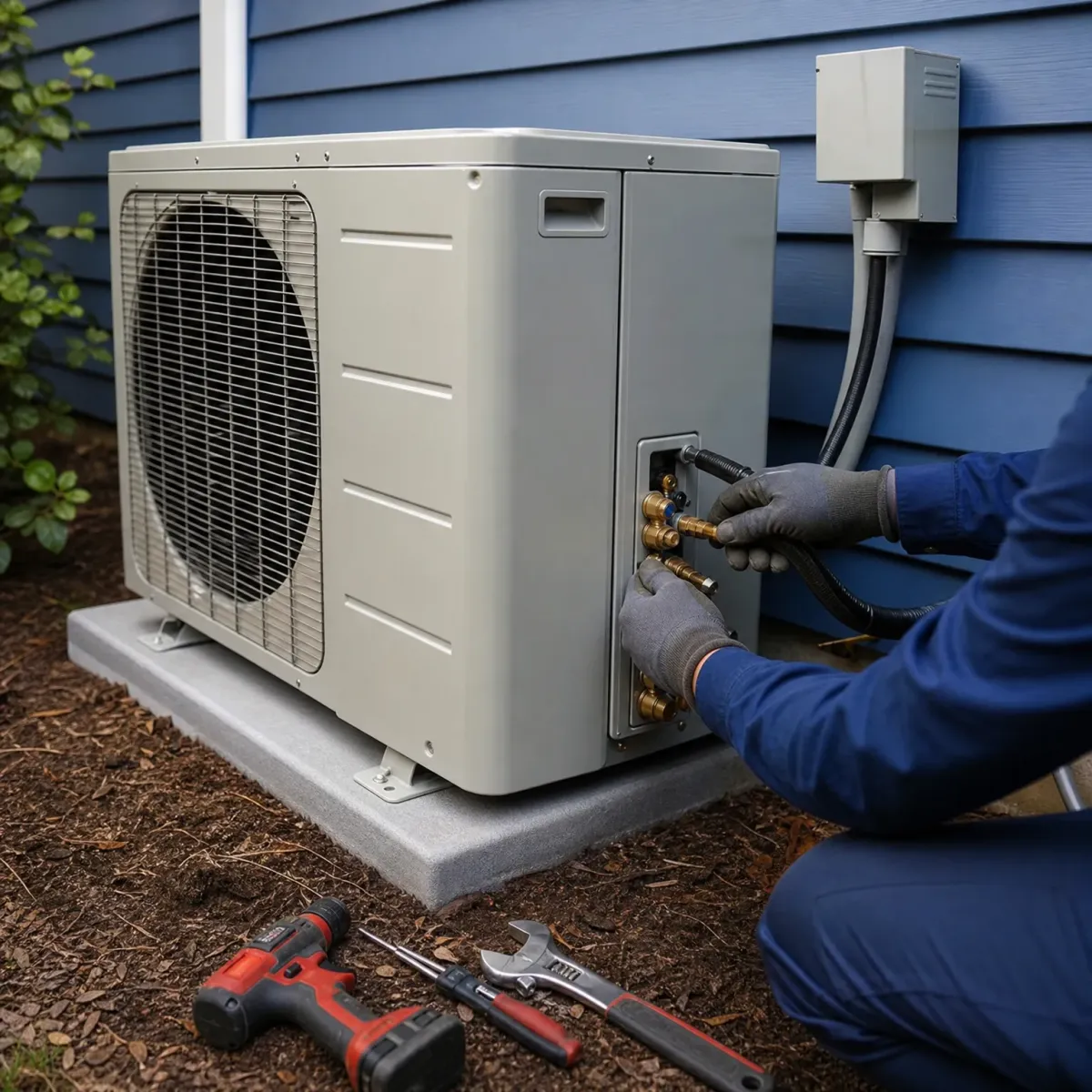
A person in a blue uniform and gray gloves works on the pipe connections of a gray outdoor condenser unit mounted on a concrete pad beside a blue clapboard wall, with a drill and wrench lying on mulch in the foreground.

Tell us about the job

Takes about a minute. No obligation.

New system or replacementLiberty County, GA
Step 1 of 3

What kind of equipment?

Which costs less to run in Liberty County?

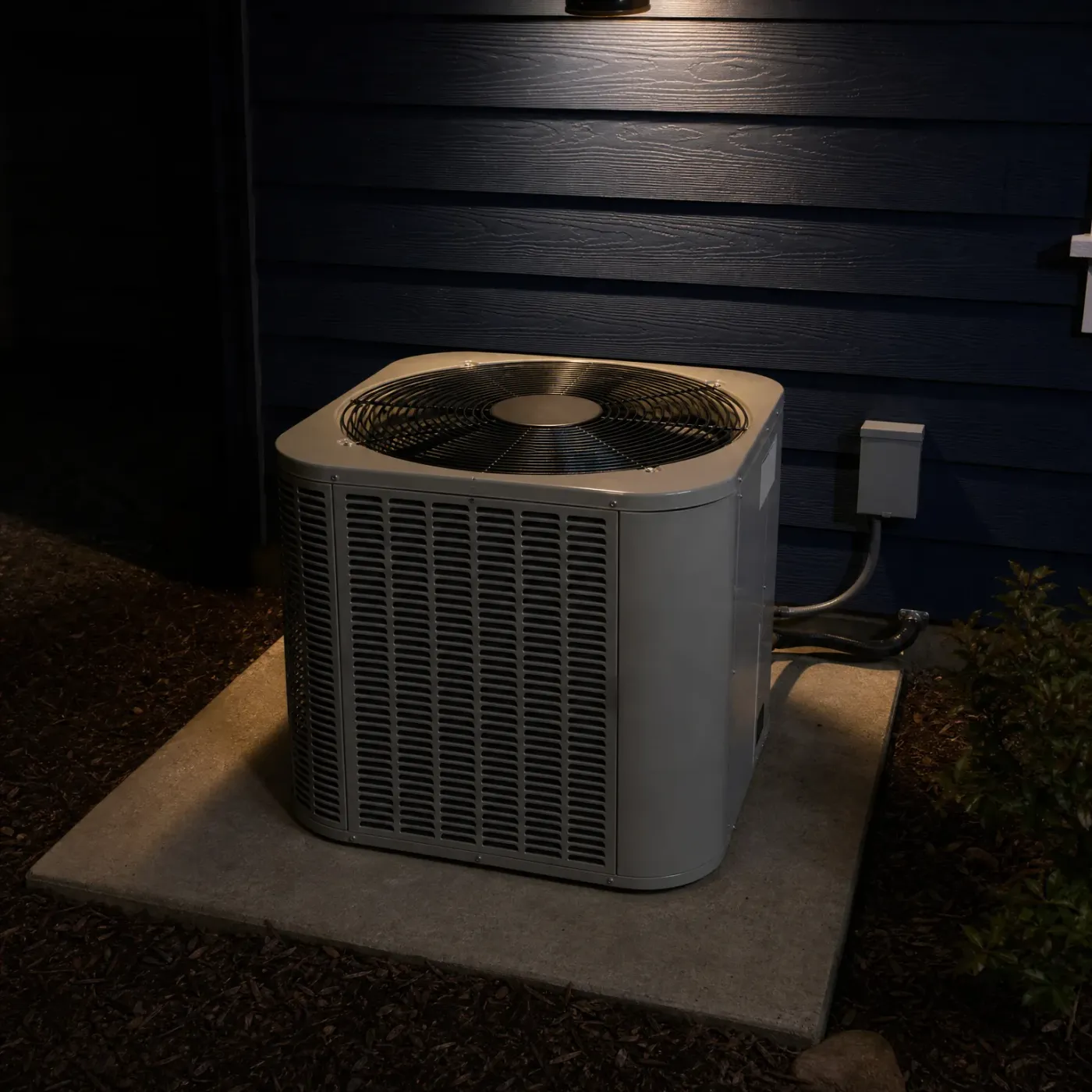
An outdoor air conditioning condenser unit on a concrete pad beside a dark blue lap-sided wall at night, with a nearby electrical disconnect box, refrigerant lines, mulch and a shrub.

Heat pump

To heat your home here$1.88per 100,000 Btu

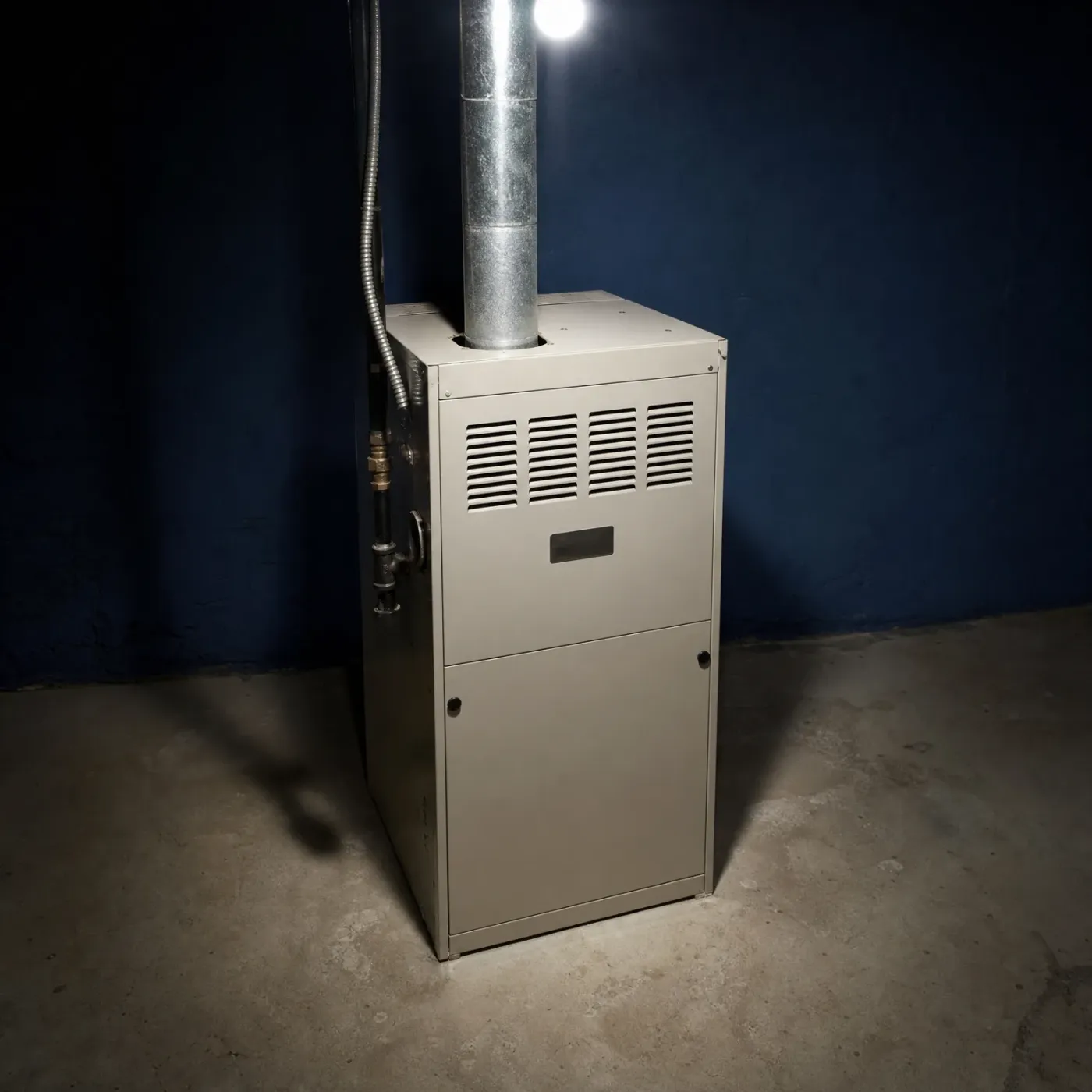
A beige sheet-metal furnace with a vented upper panel and metal flue pipe stands on a concrete floor against a dark blue wall, with gas piping and flexible conduit running along its left side.

Furnace

To heat your home here$2.21per 100,000 Btu

At Georgia's gas and electricity prices, a heat pump makes the same heat as a gas furnace for about 15% less.

Btu stands for British thermal unit, the standard measure of heat energy.

Where does a heat pump shine?

  • Made for mild winters

    Winter nights here average 41°F, well within the range a heat pump handles on its own. It won't have to lean on backup heat to keep the house warm.

    Covered front porch of a gray horizontal-siding house with a navy blue door, stone steps, a potted shrub, boots on the mat, and a wooden bench with a striped blanket, with bare trees and low sun behind.
  • Covers a long cooling season

    Cooling runs May through October here, six months of the year. A heat pump handles that side of the job the same way an air conditioner would.

    A covered porch with blue lap siding, wicker sofas with cushions, a navy slatted table holding a glass of iced tea and a woven basket planter, and a person seated at a bistro table in the background surrounded by green trees.
  • Steady, even comfort

    It eases up and down with the weather. There are fewer swings between too warm and too cool.

    A golden retriever sleeps curled on a woven jute rug beside a light gray armchair holding a navy pillow, an open book and a blue knit throw, with a table lamp, navy knit pouf, wooden cabinet and curtained window nearby.

Where does a furnace shine?

  • Fast, strong heat on demand

    Turn the heat up and the furnace answers right away. There's no long wait for the house to catch up.

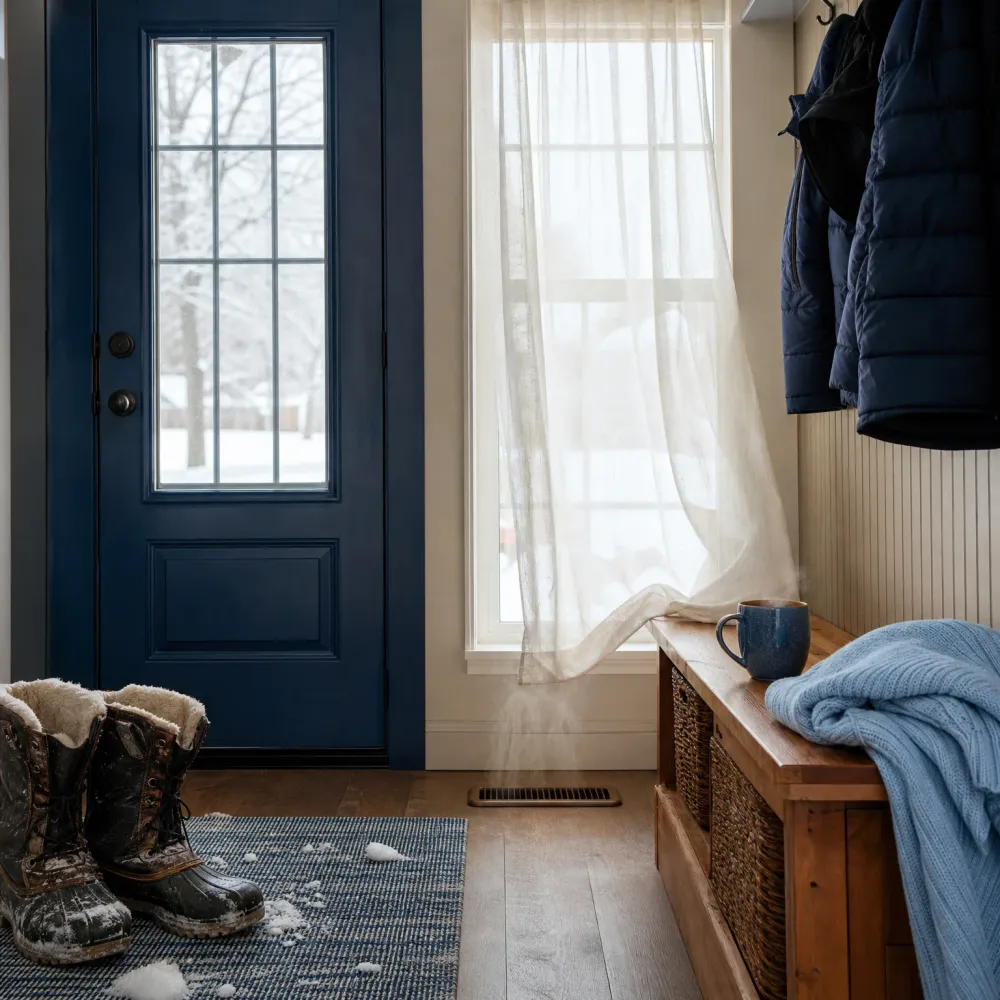
    Mudroom entry with a navy front door with snowy trees visible through its glass panes, snow-covered boots on a blue woven rug, a floor vent, a wooden bench with wicker baskets, a blue mug and knit blanket, and dark coats hanging on wall hooks.
  • Pairs with any central AC

    Most central air systems are built around a furnace. The two share the blower, the ducts and the thermostat.

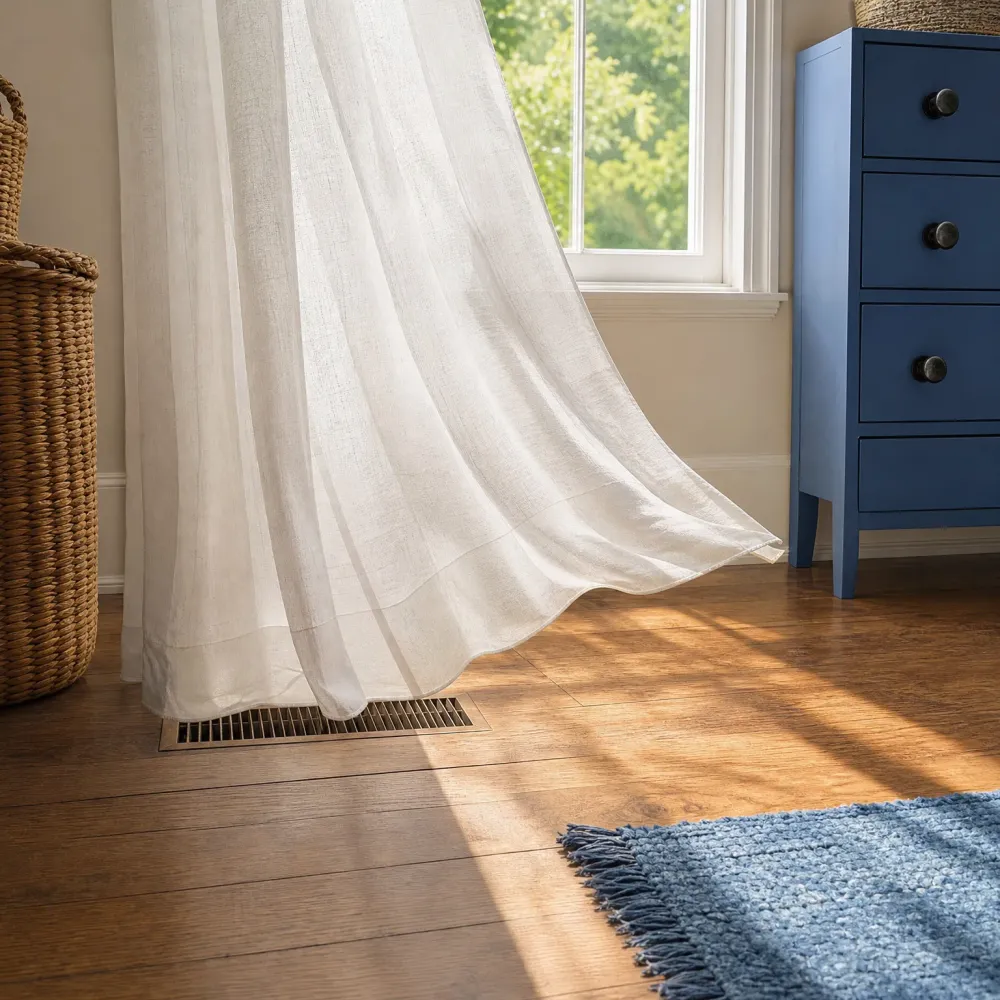
    A sheer white curtain hangs beside a sunlit window over a metal floor vent in a wood floor, with a blue chest of drawers, a woven basket, and a blue fringed rug nearby.
  • Proven, simple, easy to get serviced

    Gas furnaces have heated homes for generations. Almost every HVAC tech knows them inside and out.

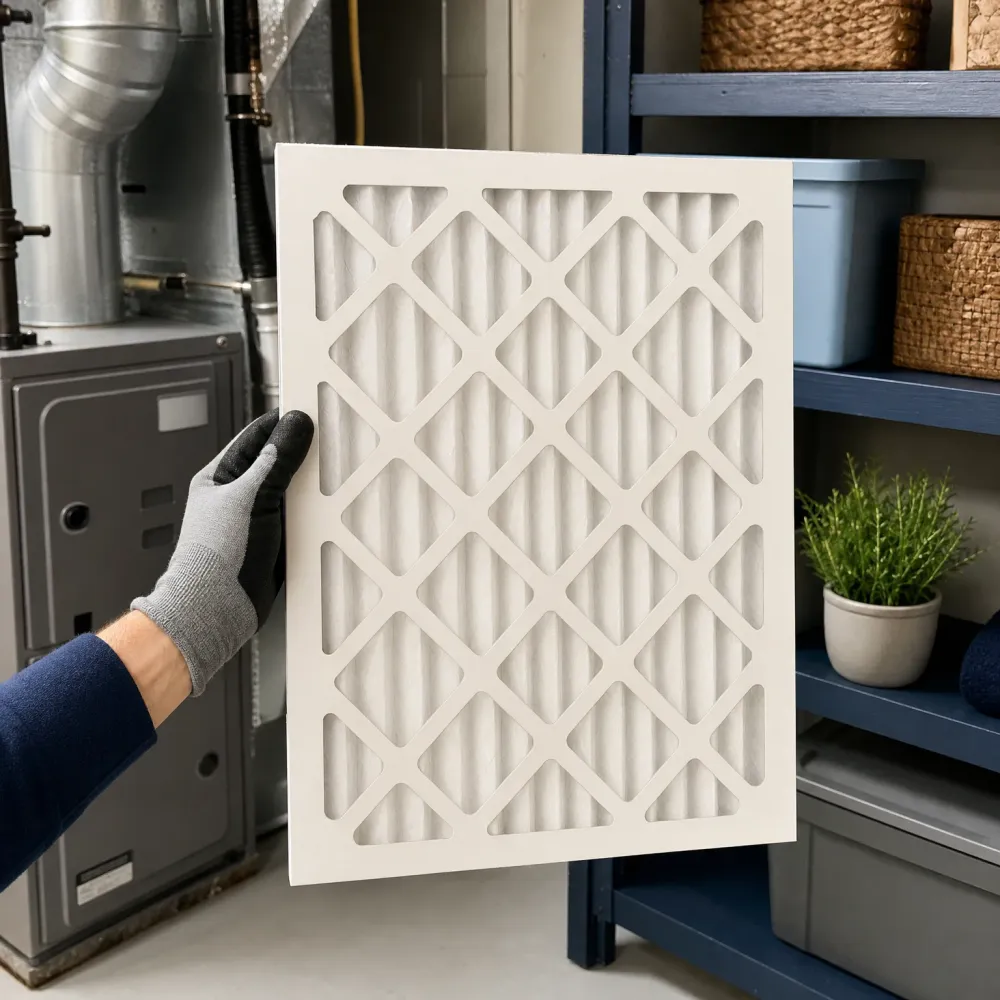
    A gloved hand holds a pleated air filter in front of a furnace and ductwork, next to blue shelving with baskets, a bin, and a small potted plant.

What your winters actually ask of a heat pump

Winters here are short and mild, and that favors a heat pump. The heat only runs about five months, November through March, and the overnight low over those months averages 41°F. A heat pump does its best work in exactly that range. Its coil only struggles to pull heat from the air once temperatures drop well below freezing, and nights that cold are rare here. The low falls to 32°F or below about 25 times a year, and the heating season runs about 150 nights, so those freezing nights are under a quarter of them. Most nights your heat pump will run, it is working in conditions built for it, not fighting the cold.

The cost to run one backs this up. A heat pump built to the federal minimum makes heat here for $1.88 per 100,000 Btu, against $2.21 for a gas furnace at the federal minimum, using Georgia's own electricity and gas prices. That is about 15 percent less to produce the same heat. A furnace burns hotter and faster on the coldest morning, but Liberty County hands it few mornings that actually call for that.
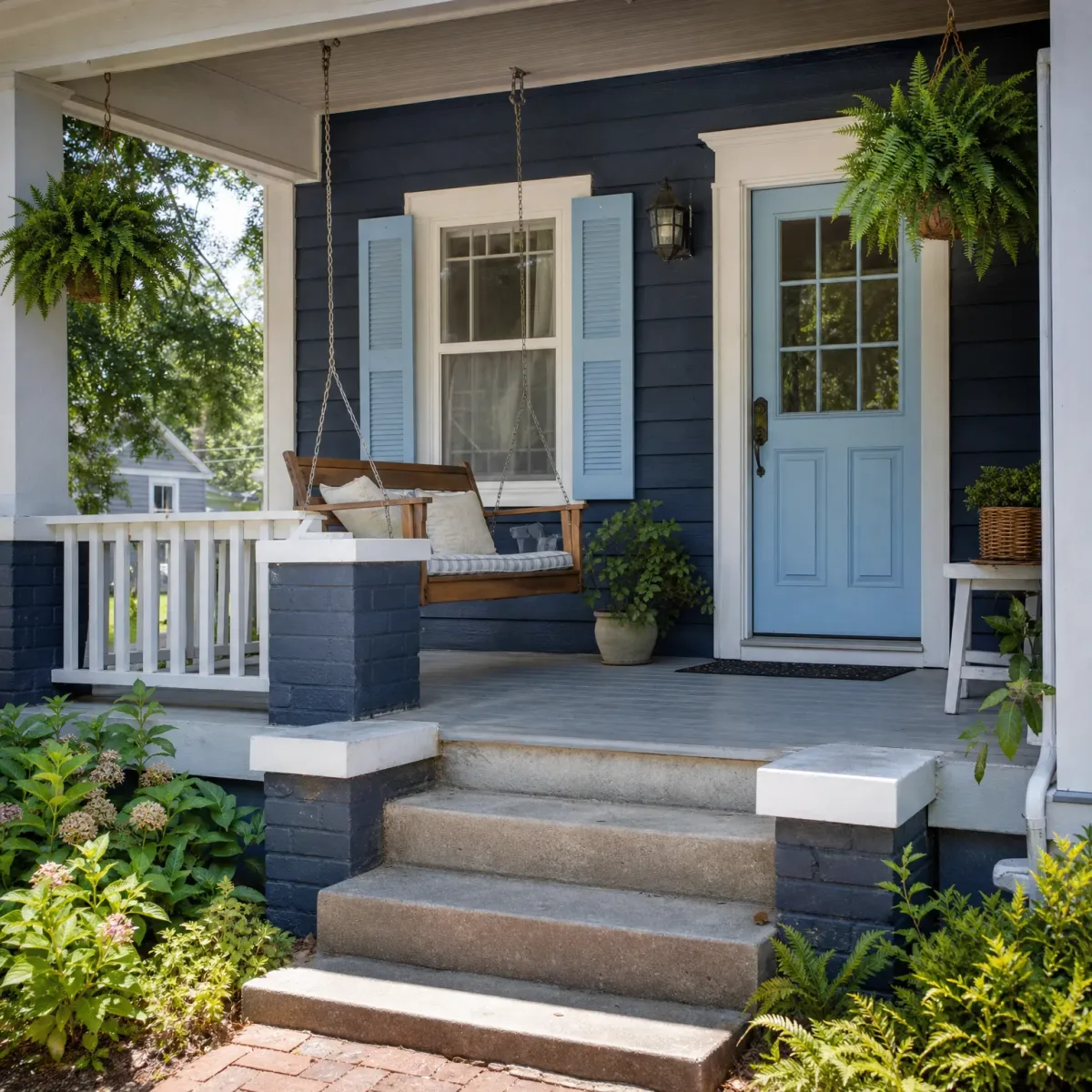
Front porch of a dark navy clapboard house with a light blue front door and shutters, a wooden hanging swing, hanging ferns, concrete steps with painted brick piers, and leafy shrubs in front.

What you are really buying for the other seven months

Cooling is the bigger job in this county. The air conditioning runs about six months, May through October, a month longer than the heat runs, and the afternoon high hits 90°F or above about 90 days a year. A gas furnace has no part in any of that. It heats, and for the seven months outside its five-month season, including the entire run of summer, it sits unused while a separate air conditioner does the cooling. A heat pump is already built to do both jobs with one system, so the money spent on it is working for you nine, ten, eleven months of the year, not five.

This is also why most of your neighbors already heat with electricity. Electricity heats 87.2% of homes in Liberty County against 6.4% on utility gas, a wider gap than Georgia runs statewide. For a county with a short, mild winter and a long cooling season, a heat pump fits the shape of the year here. A furnace still makes sense if you want the strongest possible heat on demand and already have the ductwork and gas line for one, paired with its own air conditioner. But on what this county's winters and summers actually ask for, the heat pump is the better match.

Sources: NOAA nClimDiv · NOAA 1991–2020 seasonal normals · Census ACS 2020–2024 · EIA SEDS 2024 · 10 CFR 430.32

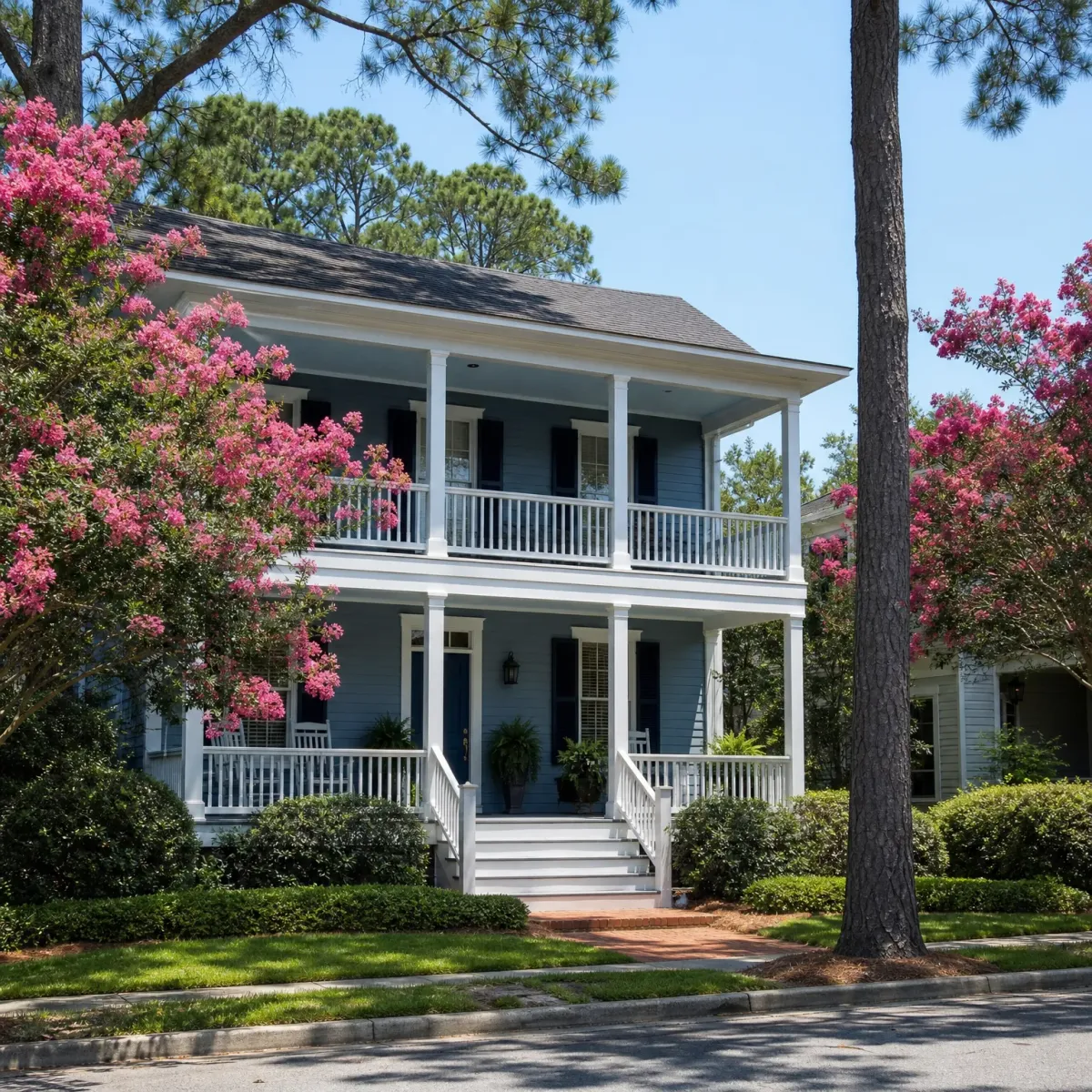
A two-story light blue house with white columns, double front porches and black shutters, flanked by pink-flowering crape myrtles and tall pine trees, seen from a street.

Common questions about heat pumps and furnaces

  • Will a heat pump keep my house cool enough here?

    Yes. A heat pump is a central air conditioner in the summer months, just run in reverse, so it cools your house the same way the AC you already have does. Liberty County runs cooling about six months a year, May through October, and the afternoon hits 90°F or higher on about 90 of those days, well under a quarter of the year, which is the kind of load central air here is built to handle.

  • What if my house doesn't have a gas line?

    You don't need one. A heat pump runs on electricity, same as central air, so there's no gas line to run or propane tank to keep filled. Only 6.4% of homes here heat with utility gas, so most houses in Liberty County already heat some other way, mainly electric.

  • Is a heat pump cheaper to run than a furnace in Liberty County?

    Yes. A heat pump here runs $1.88 per 100,000 Btu of heat against $2.21 for a gas furnace, so it costs less to make the same heat. That gap comes from Georgia's electricity and gas prices, not from one machine working harder than the other.