






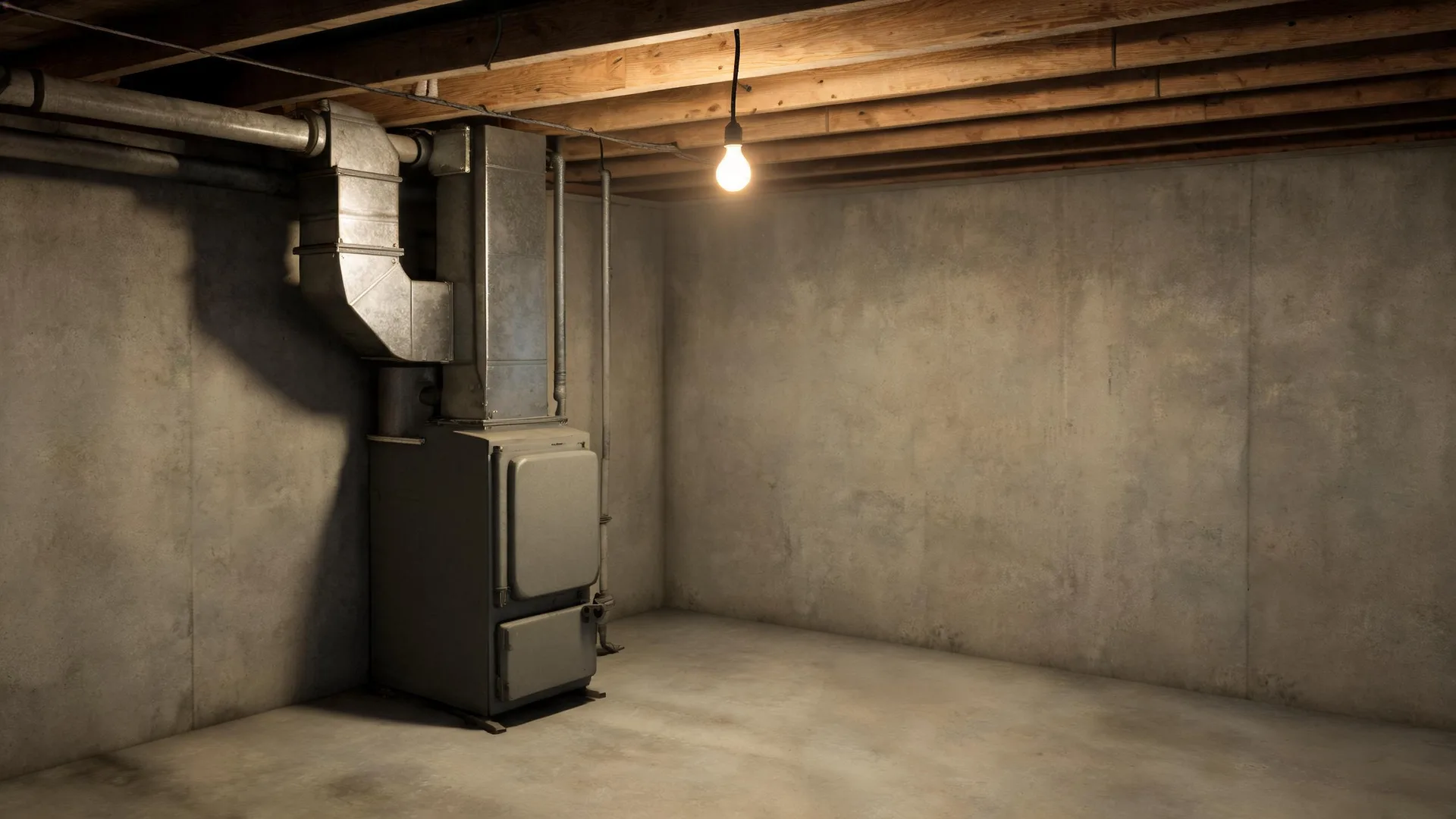
An unfinished basement containing a gas furnace with ductwork in the foreground and miscellaneous stored items along the far concrete wall.

Furnace Installation in Albany, GA

Tell us about the job

Takes about a minute. No obligation.

New system or replacementFurnace or heatingDougherty County, GA
Step 1 of 2

What ZIP code is the job in?

Dougherty County saw 125 severe weather events between 2015 and 2024. Most of that was wind, 105 events in that span, with 11 hail events and a couple of tornadoes mixed in. Five tropical storms or hurricanes came through the same years. That's not rare weather for this county, it's a regular part of living here. Statewide, close to a third of Georgia households lost power for a full day or longer in 2024. A furnace that depends on the grid to light its ignitor and run its blower goes quiet in that kind of outage, and this county gives it plenty of chances to be tested.

5 months
November through March, your furnace is on duty
40°F
the average winter night it heats against
80% AFUE
the federal minimum any new unit must meet
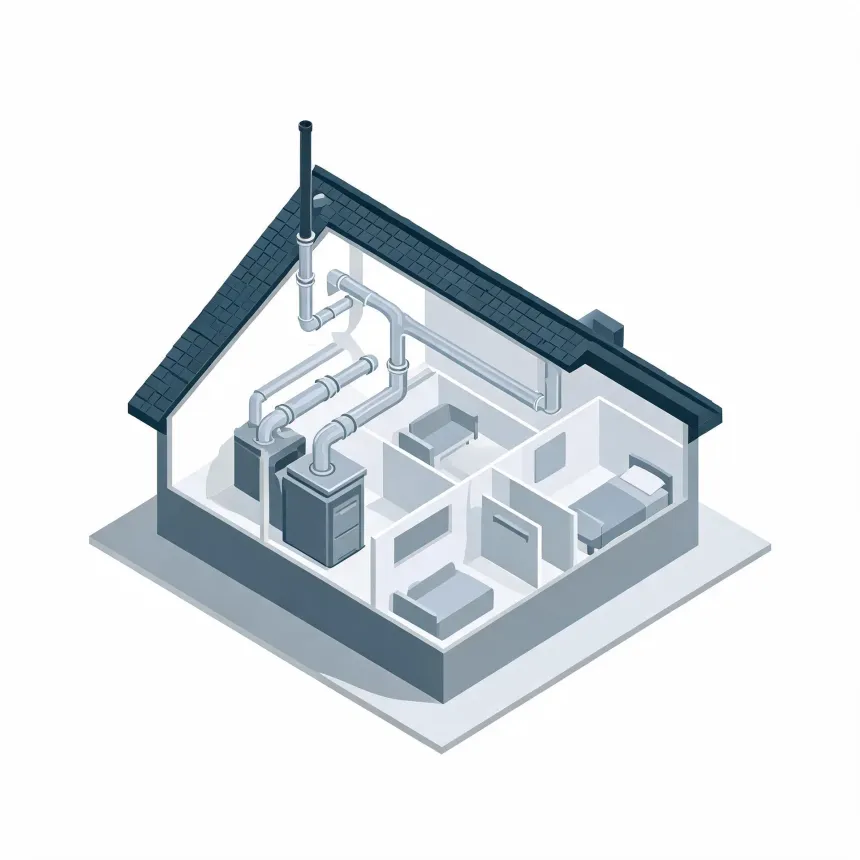
Isometric illustration of a cutaway house showing a furnace unit with ductwork and a flue pipe running through the interior rooms, which contain simple furniture.
Your furnace works hardest from December through February.

NOAA nClimDiv, 1991–2020 normals

Electricity heats 79% of homes in Dougherty County.

Most furnace replacements here are electric furnaces, and the new one should match what the power already does to the rest of the house.

Five months of work a year, nothing this furnace can't handle

Heat runs November through March
Winter nights average 40°F
Climate zone 2A
Get it done before NovemberFurnaces here start running in November, so October is the month to have the new one in.

Electricity ran $41.27 per million Btu in Georgia in 2024, which is cheap compared to most of the country. That changes what's worth paying for in a new furnace. A high-efficiency model costs more up front and takes longer to earn that back when power is already this cheap, so chasing the top efficiency number isn't where the money matters most here. What matters more is whether the unit keeps running when the grid doesn't. Put the extra dollars into a furnace built to handle the outages this county already sees, not into shaving a little more off a power bill that's modest to start with.

Plan this furnace around the outages, not just the cold

When you're picking the install, talk to the contractor about where the outdoor unit sits and what it's protected from. Ask what happens to heat and hot water if the power drops for a day. That's not a rare question around here, and a good installer will already have an answer.

Find a contractor
A man in a dark shirt, tan pants and a cap carries a canvas tool bag up wooden porch steps toward a blue front door, with a potted shrub beside the entry.
A gray high-efficiency gas furnace installed in an unfinished basement, surrounded by gas lines, a condensate drain, and sheet-metal ductwork.

Built to take the weather, not just the winter

Five months of light duty a year is not what wears a furnace out here. Wind, hail and the outages that follow are the bigger test, and they don't care what month it is. So pick the install around what holds up, not around squeezing out another point of efficiency. A straightforward, well-built unit is easier to keep running through those outages and easier to fix when something does go wrong, since it was never worked hard to begin with.

Sizing by heat loss, not square footage

A furnace is sized by working out how fast the house loses heat on the coldest expected day, room by room, counting windows, doors, insulation and ceiling height. Square footage alone skips all of that, and two houses the same size can need different size furnaces depending on how they're built. A contractor doing this right will do the room by room math before quoting a unit, not after.
Why bigger isn't safer

An oversized furnace heats the house fast, shuts off, then starts again soon after, instead of running in long steady stretches. That short cycling wears the ignitor and the blower motor faster and leaves the air colder in some rooms than others because the system never runs long enough to push heat evenly through the ducts. The right size costs less to install than most people expect and lasts longer because it isn't starting and stopping all day.

Installed cost isn't just the furnace sitting in the basement or closet. Labor covers running new gas or electrical connections, setting the ductwork to match the unit, and venting it correctly, and that work varies depending on what's already there to connect to. A furnace going in the same spot as the old one costs less to install than one going somewhere new, because the lines and ducts are already in place. Electrical work adds to the job too, since a furnace needs a dedicated circuit and a disconnect switch nearby, not just a plug. The ductwork matters as much as the unit itself. If the existing ducts are too small or leaky for the new furnace, sealing or resizing them belongs in the same job, because a furnace pushing air through the wrong size ducts never heats the way it's rated to. None of this is optional work tacked on to pad the bill. It's what makes the difference between a furnace that heats the house evenly and one that technically runs but never quite does the job.

Dougherty County falls in climate zone 2A, and any furnace installed here has to meet the federal minimum for that zone. Furnaces built on or after November 19, 2015 have to turn at least 80 percent of the gas they burn into heat over a winter. That floor holds until December 18, 2028, when it rises to 95 percent for units built from that date on. A furnace built before the cutoff and still carrying the 80 percent rating is not a lesser installation, it is simply what the law allowed when it was made. Either way, the efficiency number on the unit is set by federal rule, not by the contractor sizing your job.