





White plantation-style houses with wraparound porches lit at night, surrounded by Spanish moss-draped live oak trees.

Furnace Installation in Grovetown, GA

Tell us about the job

Takes about a minute. No obligation.

New system or replacementFurnace or heatingColumbia County, GA
Step 1 of 2

What ZIP code is the job in?

Columbia County logged 121 severe weather events between 2015 and 2024. Most of that was wind, 92 damaging wind events, with 23 hail events and a few tropical storms mixed in. A new furnace setup needs to account for that, especially if any part of the system sits outside or depends on power to run. Statewide, close to a third of Georgia households lost power for 24 hours or longer in 2024. Most homes here heat with electricity, so a long outage during a cold snap is not a small inconvenience, it's your only source of heat going down.

5 months
November through March, your furnace is on duty
37°F
the average winter night it heats against
80% AFUE
the federal minimum any new unit must meet
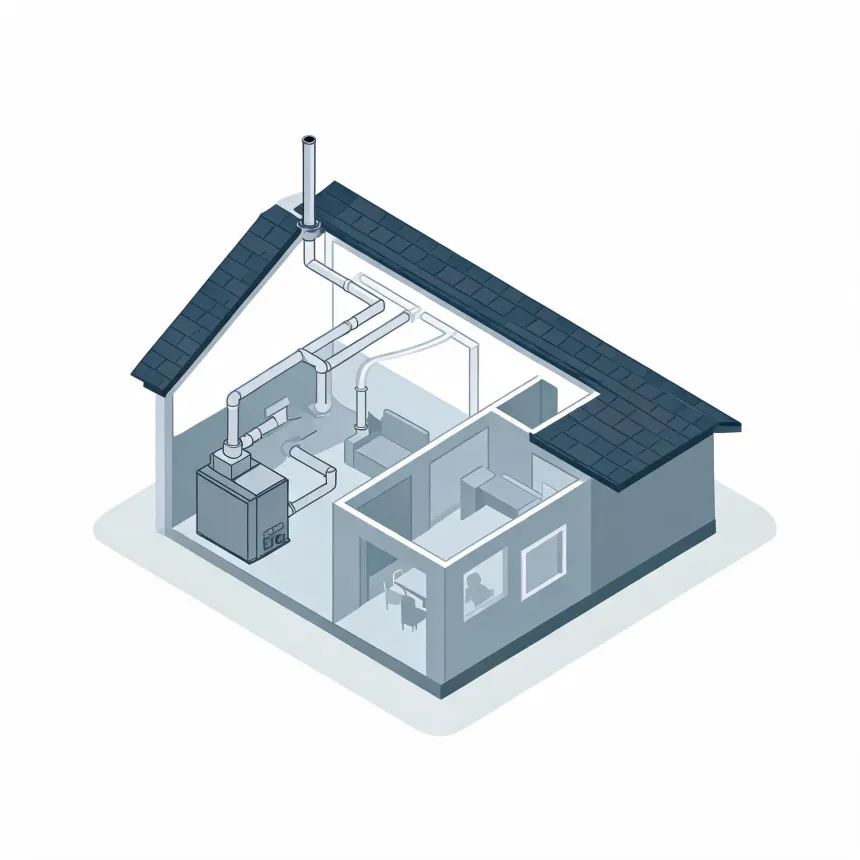
Isometric cutaway illustration of a single-story house showing interior rooms, a furnace unit with connected ductwork, and a flue pipe extending through the dark shingled roof.
Your furnace works hardest from November through March.

NOAA nClimDiv, 1991–2020 normals

Furnaces here only run about five months a year, November through March.

A furnace that sits idle most of the year doesn't need to be the top efficiency model, just one that starts reliably when a cold snap hits.

October is the month to get it done

Heat runs November through March
Climate zone 3A
Winter nights average 37°F
Most Of This County Heats With ElectricityElectricity heats 62.7% of homes here, gas 33.3%.

Grovetown falls in climate zone 3A, and any furnace installed here has to meet the federal minimum for that zone. For a gas furnace, that means turning at least 80 percent of the fuel it burns into heat. That number is set to rise. Units built on or after December 18, 2028 will need to hit 95 percent. A furnace installed before then can still meet the lower bar, since the requirement is tied to the manufacture date, not when it's running in your house.

Plan for the outage before you need the heat

If the system you install depends on power to run, decide now how you'll stay warm when that power goes out. Ask what it takes to protect the outdoor unit from wind and hail too, since that part sits outside year round. This is part of the install, not an afterthought once it's in.

Find a contractor
A man in a dark long-sleeve shirt and tan pants climbs porch steps toward a blue front door, carrying a worn canvas tool bag with tools in its side pockets, beside a potted shrub in a blue planter.
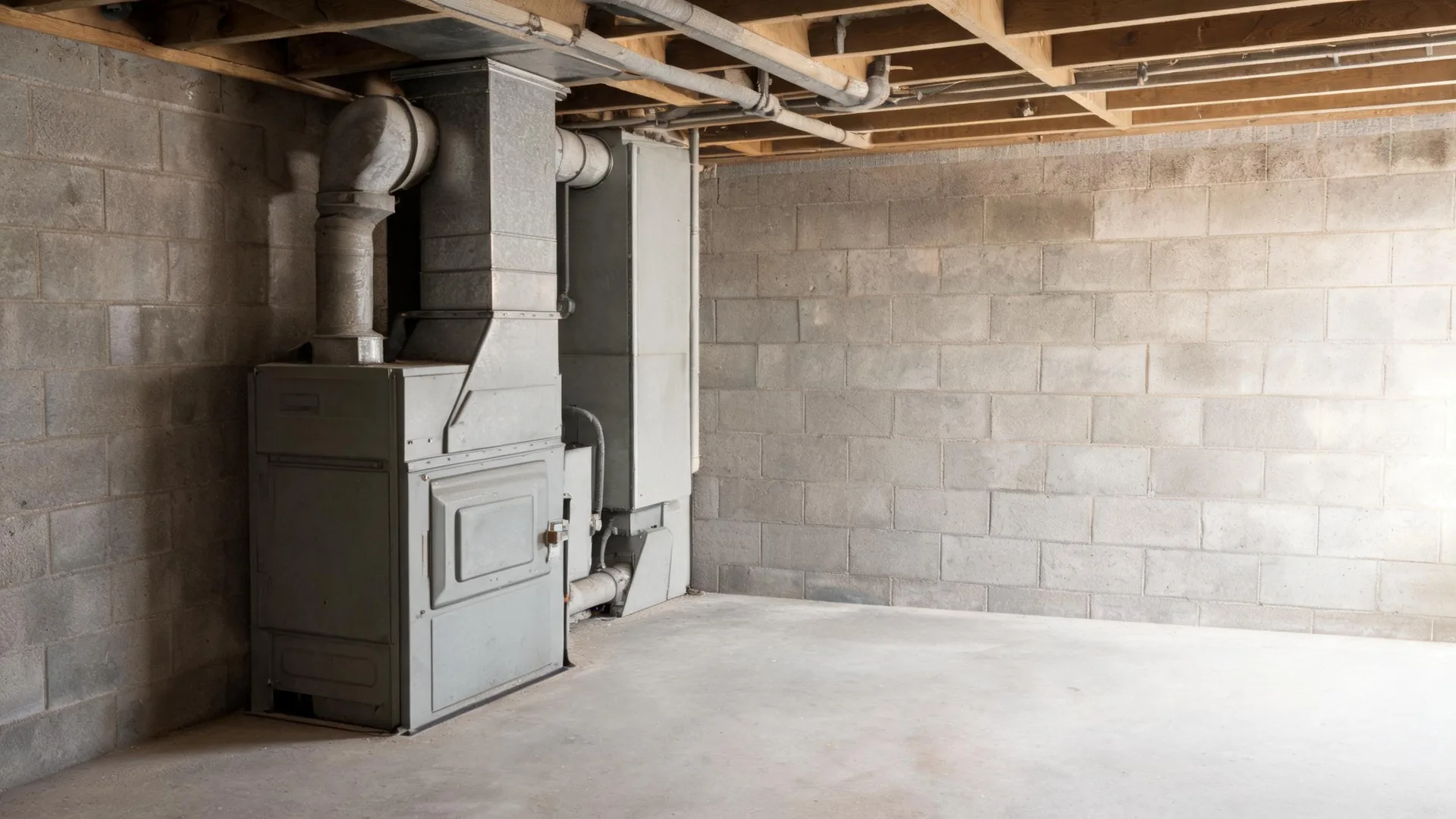
A gray high-efficiency gas furnace installed in an unfinished basement, surrounded by gas lines, a condensate drain, and sheet-metal ductwork.

Five months a year, not year round

Five months of work a year, November through March, is a light load for a furnace. Compare that to a furnace up north firing every day for half the year, and the difference shows up in how long the heat exchanger and igniter last. Most of what wears a furnace out here isn't the workload, it's time passing with nobody checking on it. Low wear also means a repair is usually worth making. A furnace with light use behind it is rarely worn out, just maybe overdue for someone to look at it.

The furnace itself is the smaller cost

The equipment is one line item. Sizing the system, running new venting or gas line if the layout calls for it, setting up the ductwork to match, and wiring in the thermostat and controls make up the rest. Two furnaces with the same rating can cost very different amounts to put in depending on what the house already has and what has to be built to support it.
What's already there decides a lot of it

A straight swap, where the new furnace goes where the old one sat and uses the same vent and duct connections, is the simplest job there is. Moving the unit, changing fuel type, or adding ductwork where none existed turns it into a different project. Before anyone can quote a number, they need to see what's actually in the house, not just what furnace is going in it.

Taking out the old furnace is its own step, and it matters more when the system is a straight swap. The old unit has to come out before the new one goes in, and if it's a gas furnace, the gas line gets capped off or reconnected clean, not left loose. If the vent pipe or flue served only that furnace, it may need to be capped too, so it's not sitting open to outside air. Anyone doing the install should be able to tell you where the old equipment goes once it's out, since some parts of it aren't just scrap. Refrigerant, if the system shares a coil with an air conditioner, has to be recovered properly and not vented into the air. None of this is hard, but skipping it is how a clean installation turns into a callback.

Installation day starts with the old equipment coming out, then the new furnace gets set in place and leveled before anything gets connected. Gas line, venting, ductwork and wiring all get hooked up and checked, in that order, since each one depends on the last being done right. Once it's connected, the installer fires it up and watches it run through a full cycle, checking the flame, the airflow at the vents, and the rise in temperature across the unit. A combustion analyzer gets used to check the exhaust, since that tells you whether the furnace is burning clean or needs the gas pressure adjusted. The last step is going over the thermostat settings and answering whatever questions come up before anyone leaves. A job without surprises inside the house usually finishes in a day.