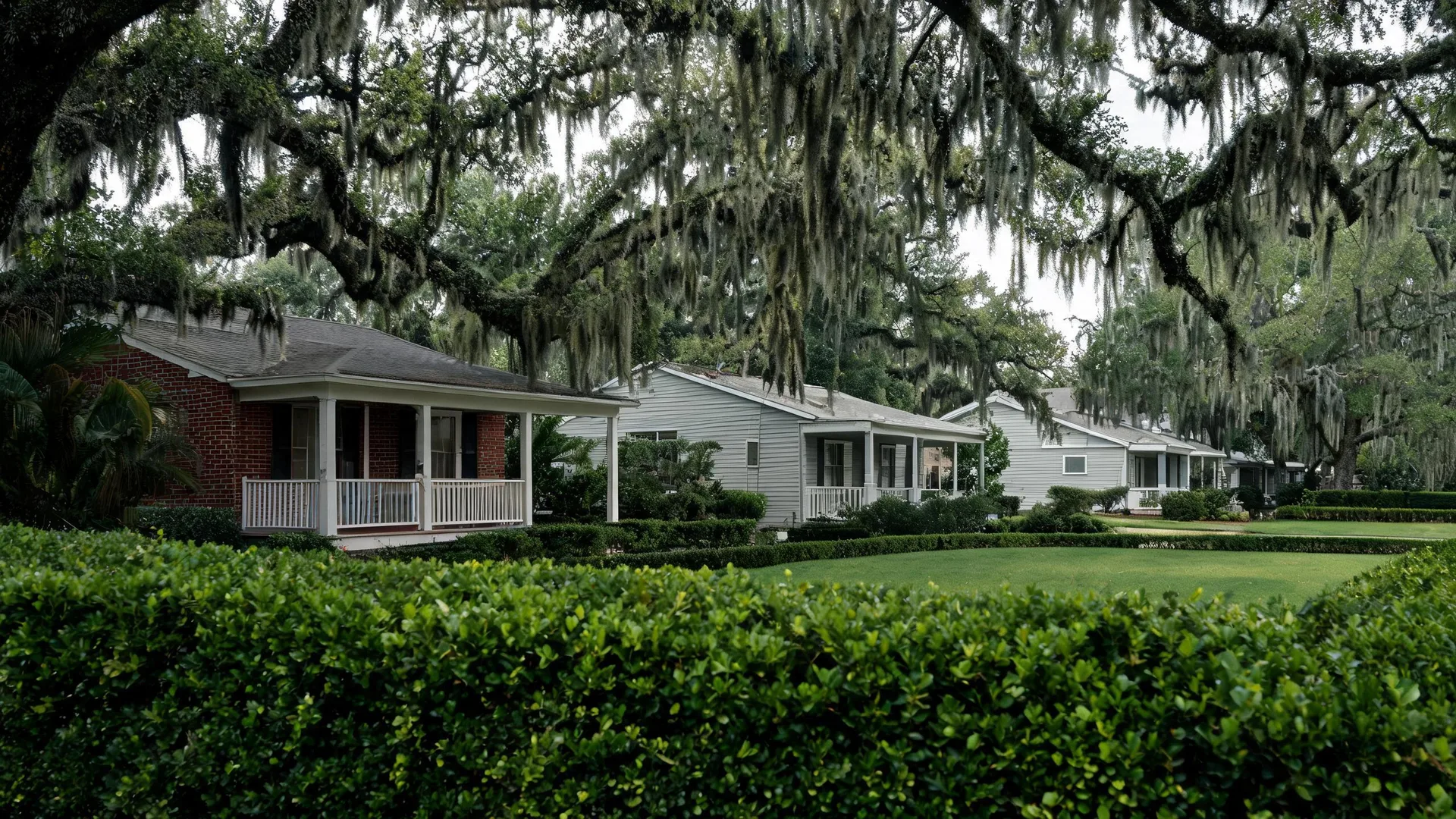







A row of single-story cottages, one brick and the others light gray siding with covered porches, behind a trimmed hedge and lawn, under large oak branches draped with Spanish moss.

Furnace Installation in LaGrange, GA

Tell us about the job

Takes about a minute. No obligation.

New system or replacementFurnace or heatingTroup County, GA
Step 1 of 2

What ZIP code is the job in?

Troup County saw 154 severe weather events between 2015 and 2024. Most of that was wind, 121 events, with 24 hail events and 5 tornadoes mixed in. Hail dents an outdoor furnace vent or condenser, wind brings down branches and lines, and either one can cut power to the house. Statewide, 31% of households went at least a day without power in 2024. A new furnace has to run on a home that might lose power for a while, not just one that never does.

5 months
November through March, your furnace is on duty
35°F
the average winter night it heats against
80% AFUE
the federal minimum any new unit must meet
Isometric cutaway illustration of a single-story house with a dark shingled roof, showing interior rooms with beds and furniture, overhead ductwork, and a gray furnace with a tall flue pipe at the exterior wall.
Your furnace works hardest from November through March.

NOAA nClimDiv, 1991–2020 normals

Furnaces in LaGrange run about five months a year, November through March.

A furnace that only works five months doesn't need to be the toughest one on the lot, just one you can count on.

October is the month to get it done

Heat runs November through March
Winter nights average 35°F
Climate zone 3A
Most Homes Here Run on Electric HeatElectricity heats 77.5% of homes in Troup County, gas a distant second.

Troup County falls under zone 3A in the 2021 energy code, a warm, humid zone with a short winter. Any furnace installed here has to burn at least 80 percent of its gas into heat, a federal minimum that applies to every indoor gas furnace built since November 2015. That floor is set to rise to 95 percent for furnaces made on or after December 18, 2028, so what counts as compliant will change partway through this furnace's life. Beyond the efficiency floor, a federal tax credit is available on qualifying high-efficiency furnaces, worth checking against whatever unit you're considering before you decide.

Build this furnace for the power going out

Plan for where the furnace sits and how it's wired in before it's installed, not after a line comes down. Ask what happens to heat and hot water if the power drops for a while, since a third of Georgia households did last year. A new system is the chance to get that settled.

Find a contractor
A man in a cap, dark long-sleeve shirt, tan work pants and boots walks up wooden porch steps toward a teal front door, carrying a canvas tool bag with hand tools.
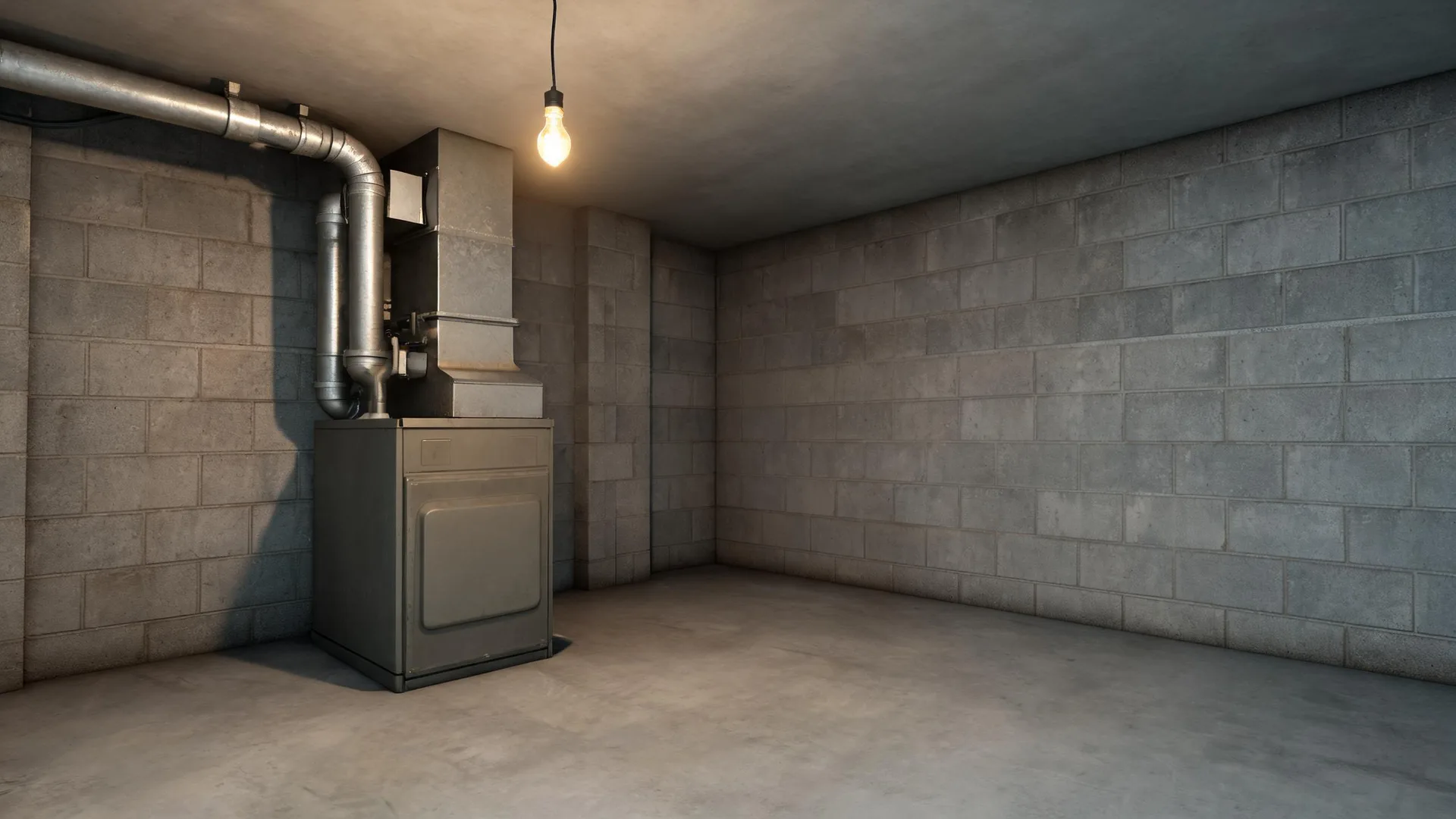
A gray residential gas furnace installed in an unfinished basement, connected to sheet-metal ductwork and PVC pipes.

What That Percentage on the Label Actually Buys You

That percentage on the furnace label is the AFUE rating, and it tells you how much of the gas you burn actually turns into heat in the house versus how much goes out the flue. A higher number means less wasted gas, but it also changes what the furnace is made of. The jump in efficiency comes from a second heat exchanger that pulls more warmth out of the exhaust before it leaves, which cools that exhaust down enough that it has to vent through plastic pipe instead of a metal flue. That second heat exchanger is also where a high-efficiency furnace tends to need attention over the years, since it handles condensation the old single heat exchanger designs never had to deal with. A lower-rated furnace is simpler, with fewer parts that can fail, but it sends more of every therm you buy straight out the vent. Neither number on the label tells you whether the furnace is sized right for the house, and a furnace that's the wrong size wastes more than a few points of efficiency ever will.

Size Comes From a Calculation, Not the Old Unit

The right size for a furnace comes from a heat loss calculation, room by room, that looks at wall and ceiling insulation, window area, duct location and how the house is oriented. It doesn't come from matching whatever furnace is already in the basement. A contractor measuring correctly will ask about insulation and windows before quoting a size, not after.
Oversized Hurts More Than Undersized

A furnace too big for the house heats the air fast and shuts off before it pulls moisture out or warms the walls and floors evenly, so rooms feel clammy and uneven even though the thermostat is satisfied. That short cycling also wears the ignition system and blower harder, since starting up is what strains those parts most. A furnace sized right runs longer, steadier cycles and heats the house evenly room to room.

Taking out the old furnace is part of the job, not an extra. A contractor disconnects the gas line and shuts off the electrical feed before anything gets unbolted. The venting comes apart too, especially if the new furnace has a different efficiency rating, since a higher-efficiency unit vents through plastic pipe instead of the metal flue the old one used. If the old furnace shares a flue with a water heater, that flue has to be checked and often resized once the furnace is gone, because a flue sized for two appliances doesn't draft right with only one. None of this is optional work tacked onto the quote. It's what makes the new furnace safe to run on day one instead of leaving old wiring or venting to cause a problem later.

Installation starts with turning off the gas and power to the old unit, then pulling it out of the closet or basement once the lines are clear. The new furnace goes in, gets leveled, and gets connected to the gas line, the return and supply ducts, the venting, and the thermostat wiring. Once it's hooked up, a contractor fires it up and checks the flame, the temperature rise across the heat exchanger, and the gas pressure at the valve to make sure it's burning the way it's supposed to. Static pressure gets checked too, since ductwork that's too restrictive makes the blower work harder than it should. Before anyone leaves, the system should run through a full cycle, heat up, hit the thermostat setting, and shut off cleanly on its own. A furnace that passes all of that on day one is a lot less likely to call for a service visit in its first winter.