



Single-story brick and siding houses with covered porches behind a trimmed hedge and lawn, framed by large oak branches draped with hanging moss under an overcast sky.

Furnace Installation in Newnan, GA

Tell us about the job

Takes about a minute. No obligation.

New system or replacementFurnace or heatingCoweta County, GA
Step 1 of 2

What ZIP code is the job in?

Coweta County logged 221 severe weather events between 2015 and 2024, most of them damaging wind. Tornadoes and hail show up in the same stretch, and so do tropical storms moving through. Almost a third of Georgia households lost power for a day or more in 2024. A furnace needs electricity to run even if it burns gas, since the igniter, blower and control board all depend on it. Where the outdoor unit sits and how it's protected matters here. Ask your installer about a transfer switch or battery backup if long outages are a concern for your house.

5 months
November through March, your furnace is on duty
35°F
the average winter night it heats against
80% AFUE
the federal minimum any new unit must meet
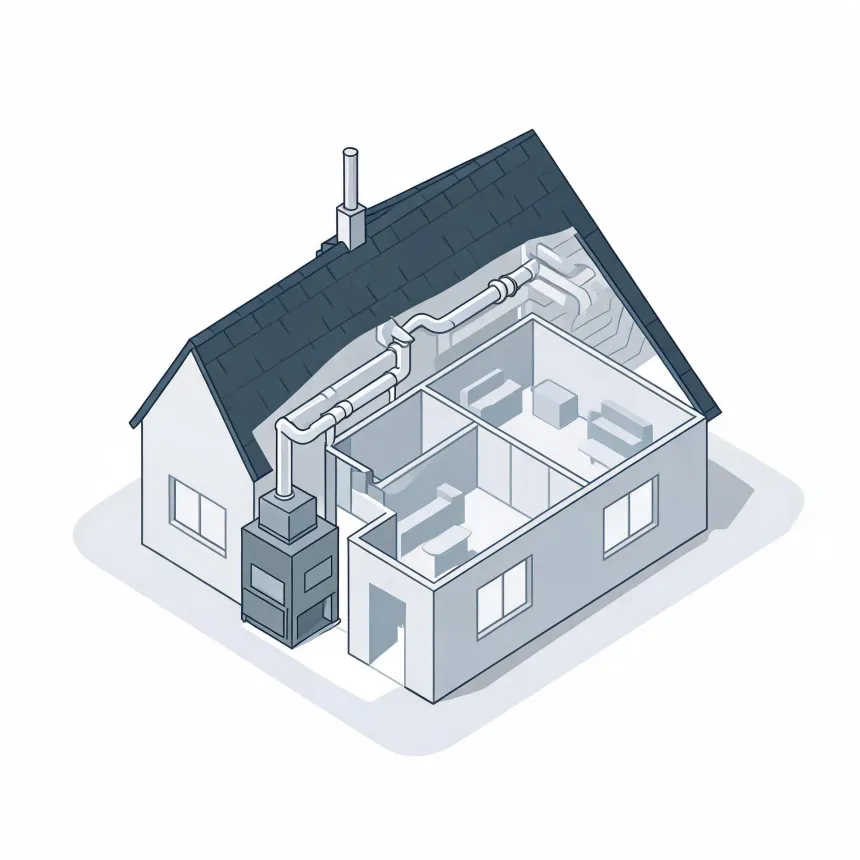
Isometric line illustration of a cutaway single-story house with a dark shingled roof, showing interior rooms and ductwork connected to a gray furnace unit with a flue pipe.
Your furnace works hardest from November through March.

NOAA nClimDiv, 1991–2020 normals

Electricity heats 51.4% of homes in Coweta County, with gas furnaces in most of the rest.

If your old furnace burned gas, putting in another one is usually the straightest path.

Five months of winter, with nights around 35°F, is not a hard season on a furnace

Heat runs November through March
Winter nights average 35°F
Climate zone 3A

October is the month to get this done. Heat comes on in November and runs through March, so a furnace installed in October has already been fired up and checked before the cold settles in. Wait until the first cold night and you're choosing a system under pressure, taking whatever install date is open rather than the one that works for you. There's no rush to the decision itself when you start in October. You have time to compare options and settle on the right size furnace for the house, instead of matching whatever broke.

A new furnace here has to meet the zone 3A minimum

Any furnace installed here now has to hit at least 80 percent AFUE, the federal minimum for zone 3A. That rule holds through the end of 2028, when new furnaces have to reach 95 percent. Worth asking your installer which efficiency level they're planning to install and why.

Find a contractor
A man seen from behind in a grey shirt and tan work pants climbs stone steps toward a blue front door, carrying a canvas tool bag with hand tools in its side pockets, beside a blue planter with a small shrub.
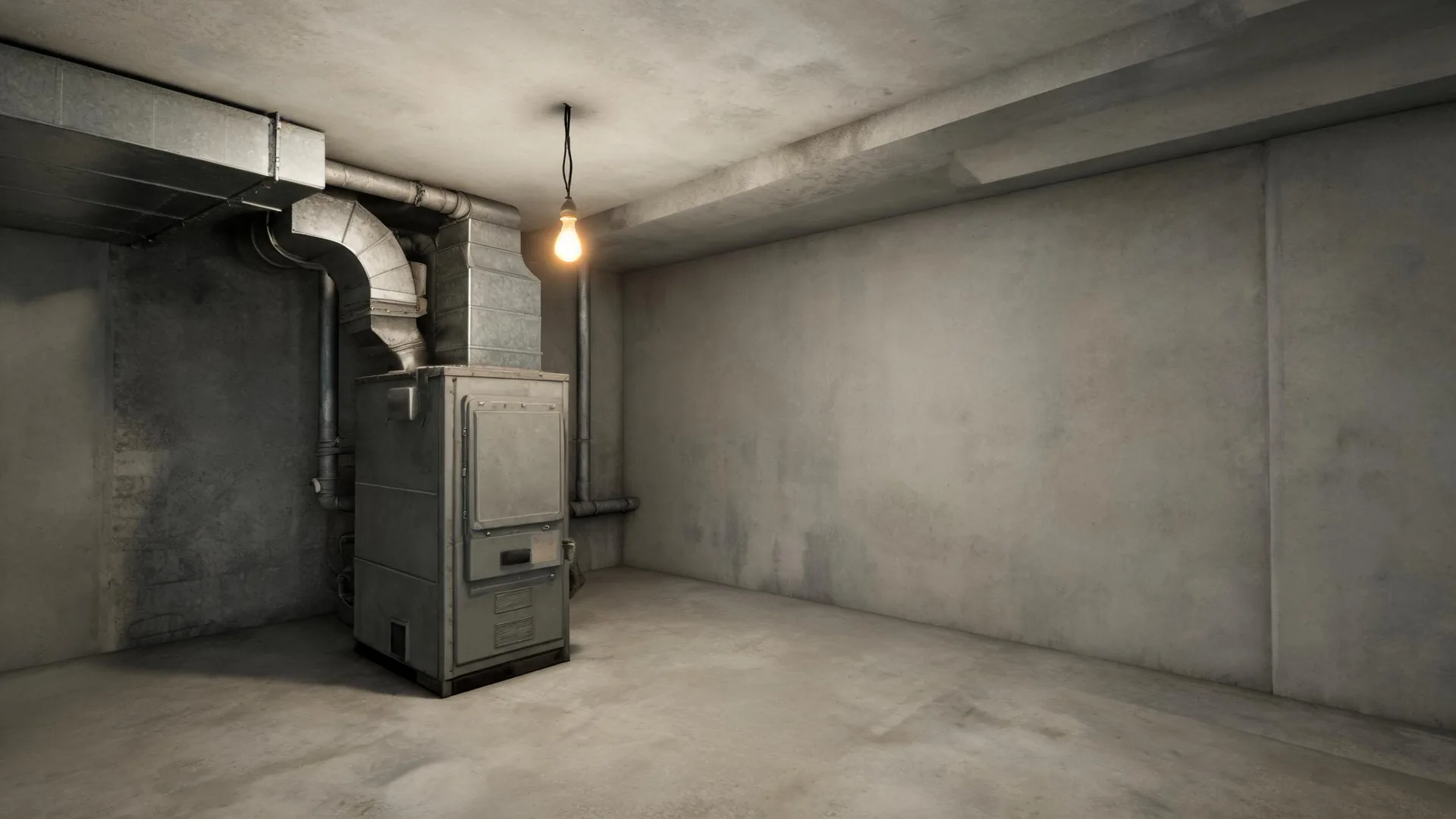
A gray residential gas furnace installed in an unfinished basement, connected to sheet-metal ductwork and PVC pipes.

A light workload means you can pick for reliability, not just efficiency

Five months of work a year is not much to ask of a furnace. There's no need to chase the highest efficiency number on the shelf when the system already has it easy. Put that money toward a brand with a service record you trust, or toward the backup power the earlier section raised. Either one matters more here than squeezing out a little extra efficiency.

The size has to match the house

A furnace too big for the house cycles on and off instead of running steady, which wears out the heat exchanger faster and never evens out the temperature. Getting the size right means a load calculation on the house itself, not just swapping in whatever size was there before. That calculation, and who's qualified to run it, is part of what the installation is paying for.
The ductwork decides what else gets done

A new furnace moves more or less air than the old one, and the existing ducts don't always keep up. Undersized or leaky ductwork means added work to seal, resize, or rebalance the system before the furnace can do its job right. An installer who inspects the ducts before quoting the job is pricing the work the house actually needs, not just the box going in.

The old furnace doesn't get reused once it's out. A tech will shut off the gas line and electrical first, then disconnect the flue or vent pipe before the cabinet comes loose from the ductwork and gas line. From there it gets hauled off and recycled for scrap, since furnace cabinets are mostly sheet metal and the heat exchanger inside is usually steel or aluminized steel. Any refrigerant isn't a concern on a furnace itself, that's only an issue if the AC coil sitting on top of it is also being swapped. If the old unit still has a pilot light or standing pilot, the gas valve gets shut at the line, not just at the thermostat, before anything is disconnected. Ask your installer what happens to the old equipment and whether removal and haul-away is already part of the quote.

Installation day starts with the old equipment coming out, then the real work begins. The furnace gets set in place and connected to the gas line, the flue, the ductwork and the electrical, and each of those connections gets tested before anything is called finished. A gas leak check on the new line is not optional, and neither is checking the flue draft, since a furnace that vents wrong can pull exhaust back into the house instead of outside. The tech will fire it up, run it through a full cycle, and check the temperature rise across the heat exchanger against what the manufacturer specifies for that model. Airflow gets checked too, since too little air across the heat exchanger shortens its life no matter how well everything else was installed. Expect the crew to walk the thermostat settings with you before they leave, and to explain what the filter looks like and how often it needs changing.