Most homes here run on electric heat
In Catoosa County, 80.7% of homes heat with electricity. Gas furnaces are far less common, at 15.4% utility gas and 2.7% propane.
Takes about a minute. No obligation.
In Catoosa County, 80.7% of homes heat with electricity. Gas furnaces are far less common, at 15.4% utility gas and 2.7% propane.
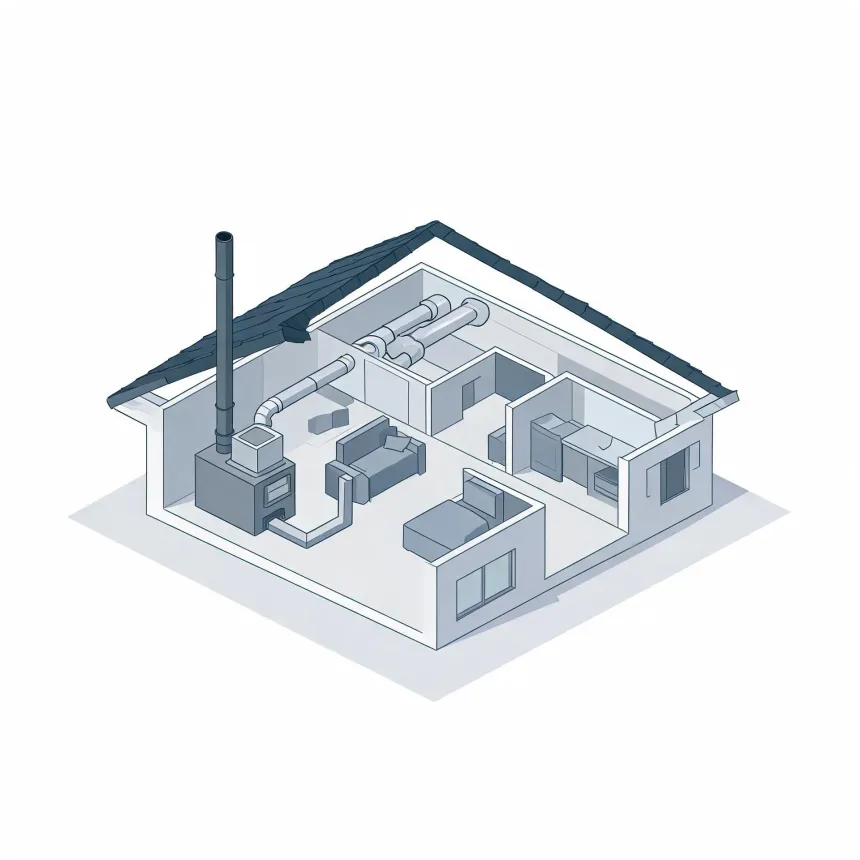
If your old system was electric, replacing it with the same setup keeps the installation straightforward. A switch to gas means running a new gas line, which is a bigger job than installation alone.
NOAA nClimDiv, 1991–2020 normals
Furnaces in Fort Oglethorpe start running in October.
Get the new furnace in by September, before you need it.



A correctly sized furnace is the one that matches your home's heat loss, nothing more. Going bigger doesn't mean more comfort. It means the burner cycles on and off more than it should, which wears on the heat exchanger and the igniter over time. Fort Oglethorpe doesn't see the kind of deep, sustained cold that pushes homeowners toward oversizing as a safety margin, so there's no case for it here. A standard efficiency rating works the same way. At $41.27 per million Btu, Georgia's electricity cost doesn't swing the math toward a premium unit paying for itself faster. A licensed contractor sizing the job by the house, not the catalog's biggest model, gets you a furnace that runs the way it's supposed to.
Fort Oglethorpe sits in zone 3A, and any gas furnace going in has to hit 80.0 percent AFUE. That's the federal floor right now, and it holds until the minimum jumps to 95.0 percent in late 2028. A furnace installed now only has to clear the standard in place at the time it's built. A qualifying high-efficiency furnace may also open up a federal tax credit worth checking into.
Find a contractorHeat runs about seven months here, October through April. Overnight lows average 33°F in December and January, the coldest stretch of the year. That's light work for a furnace. A unit built to the federal minimum, sized to the house, will spend most of its life cycling on and off in weather nowhere near its limit.
A contractor figures heat loss by looking at square footage, window area, insulation and how the walls and ceiling are built. That calculation points to a specific output, not a range. Homes the same size can need different furnaces if one has more glass or less insulation in the attic.
A furnace too small for the house runs constantly in the coldest weather and still can't hold the temperature you set. A furnace too big short-cycles instead, hitting the thermostat setting fast and shutting off before it's finished pushing warm air through the house. Both wear on the equipment. Only the right size just runs.
The AFUE number on a furnace label tells you how much of the fuel it burns turns into heat in the house, versus what goes out the flue. A furnace rated at the federal minimum still turns most of that fuel into heat, it's not a low bar in any practical sense. A higher AFUE unit wastes less, but it also costs more up front, usually because it needs a secondary heat exchanger to pull more warmth out of the exhaust before venting it. Whether that extra cost is worth it depends on how much the furnace runs and how long you'll own it, not just the number on the sticker. The rating also only describes the burner and heat exchanger. It says nothing about whether the furnace is sized right for the house, and an oversized high-efficiency furnace still short-cycles and wears out early.
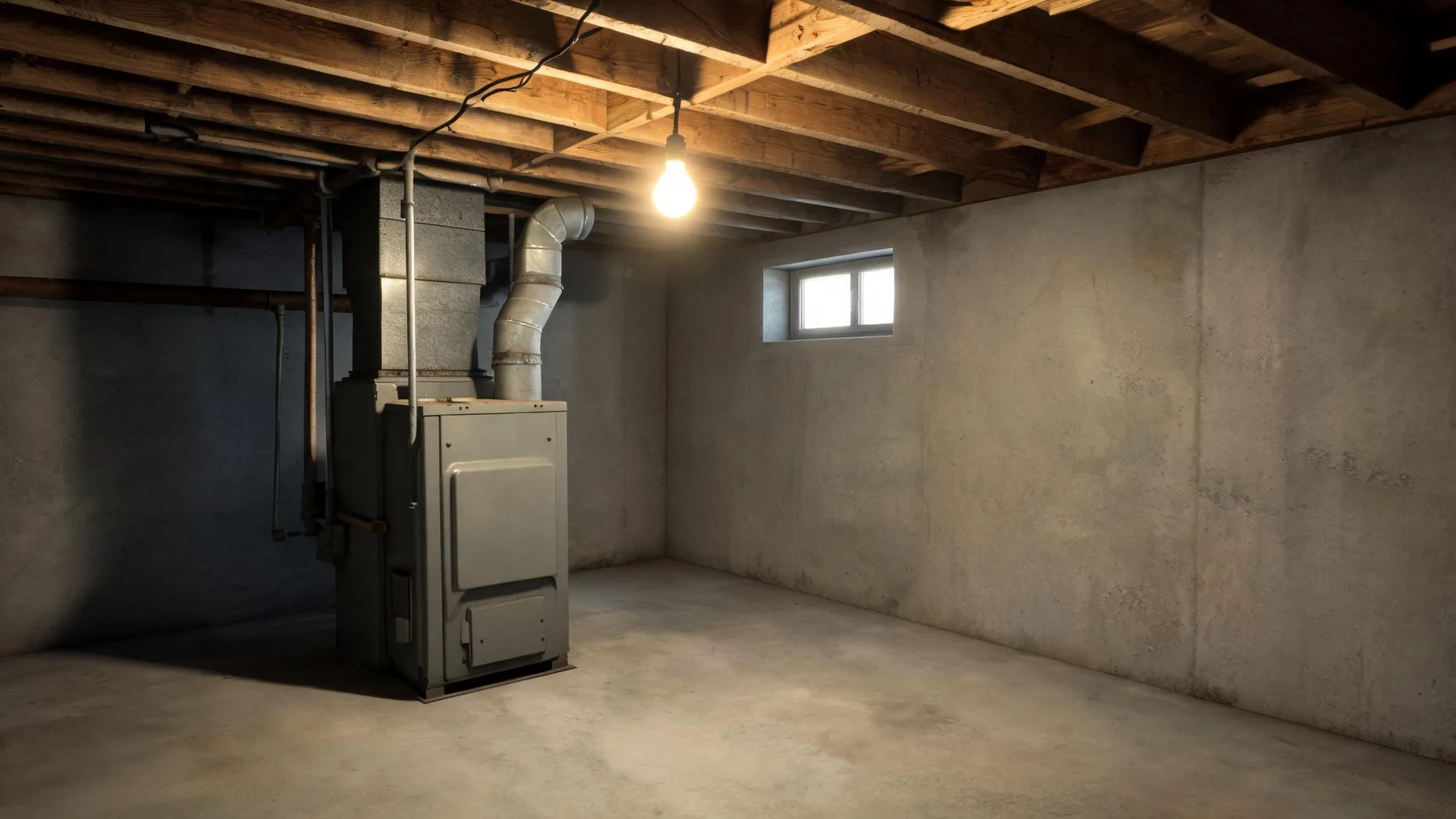
The old furnace comes out first, along with the flue pipe and any ductwork that doesn't line up with the new unit. A contractor checks the return and supply plenums before setting the new furnace. A duct system built around an old unit's dimensions sometimes needs a transition piece to fit the new one. Gas line, electrical and venting connections get made. Then the furnace runs through a full cycle so the contractor can watch the ignition, the blower and the limit switches, and check the rise in temperature across the heat exchanger. A combustion analyzer checks the exhaust to confirm the burner is tuned right, not just lit. The thermostat gets set up last, once the furnace is holding steady and shutting off the way it should.