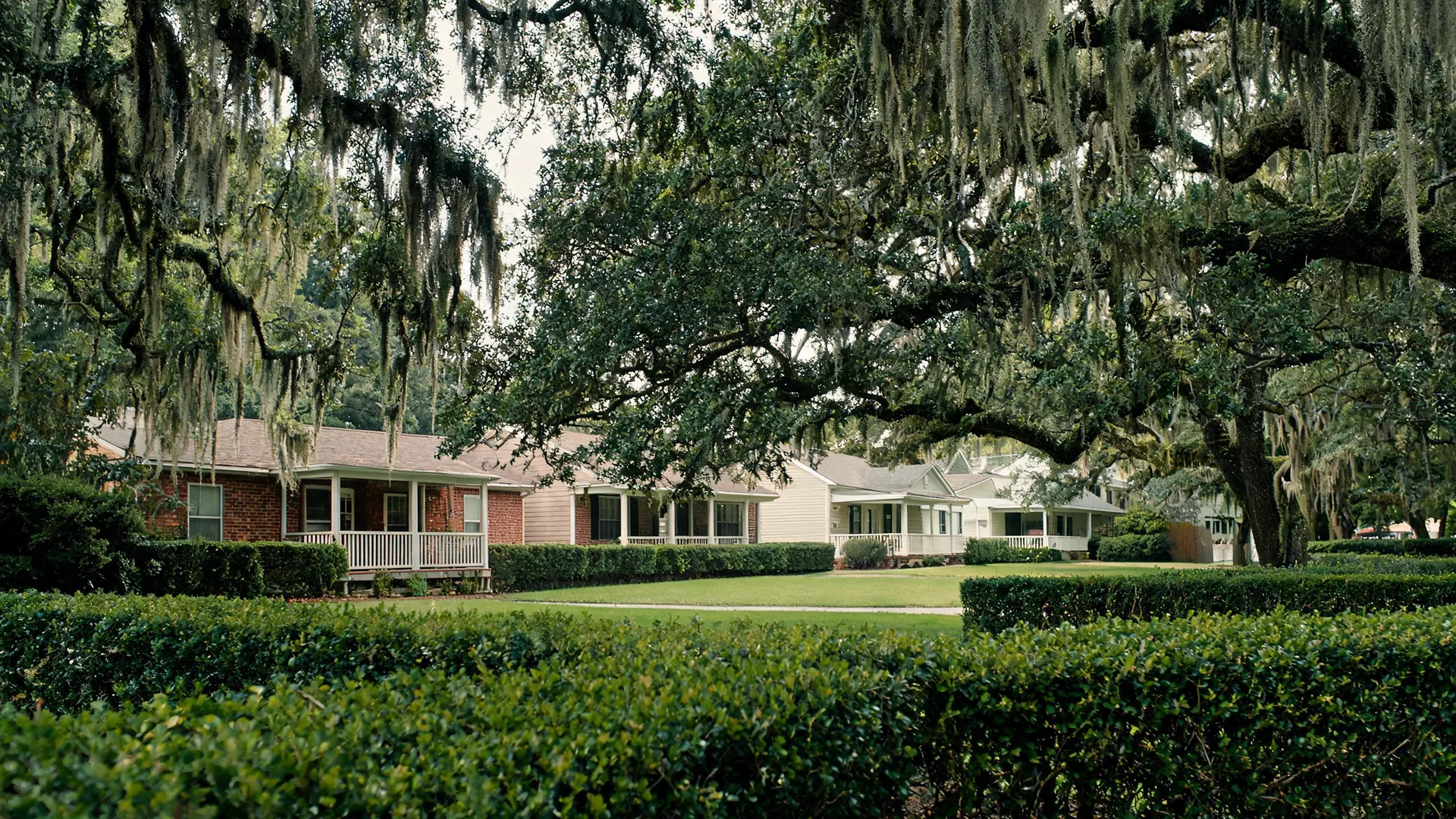
A row of single-story houses with porches behind a manicured lawn and trimmed hedges, framed by large oak trees draped with Spanish moss.

Furnace Installation in Warner Robins, GA

Tell us about the job

Takes about a minute. No obligation.

New system or replacementFurnace or heatingHouston County, GA
Step 1 of 2

What ZIP code is the job in?

Bigger isn't better

An oversized furnace heats the house fast, shuts off, then starts again a few minutes later. That short cycling keeps the heat exchanger from reaching a steady temperature. It also wears out the parts that start and stop the burner long before their time. A furnace sized right runs longer stretches and heats the place evenly, room to room.


The size comes from a load calculation

A contractor works out furnace size from a heat loss calculation done on the house itself. Square footage matters, but so does window area, insulation, ceiling height, and how much outside wall the house has. Houses built the same size can still need different furnaces once these are worked out. The nameplate on the old furnace is a starting point, not the answer, since that unit may have been sized wrong from the first install.

5 months
November through March, your furnace is on duty
38°F
the average winter night it heats against
80% AFUE
the federal minimum any new unit must meet
Isometric grayscale illustration of a cutaway house showing an interior furnace with a tall flue pipe and ductwork running to rooms under a partially lifted roof.
Your furnace works hardest from November through February.

NOAA nClimDiv, 1991–2020 normals

The ductwork already in the house decides as much as the furnace itself.

If the ducts are too small for the new furnace's output, the installer has to address that too, and that adds to the job.

Power here is cheap, so the payback on a high-efficiency furnace is slower

Heat runs November through March
Winter nights average 38°F
Climate zone 3A

Houston County has logged 137 severe weather events between 2015 and 2024, and damaging wind accounts for most of that count. A furnace does not care about wind, but what it runs on does. Statewide, almost a third of Georgia households lost power for a full day or more last year. A gas furnace still needs electricity to run its blower and controls, so an outage means no heat even with gas in the line. Worth asking the installer where the furnace and any outdoor equipment sit, and whether a transfer switch or backup power makes sense for this house.

Most homes here run on electric heat, and that's the easiest system to replace

Electricity heats 86.5% of homes in Houston County, and gas only reaches about 1 in 10. If your house already runs on electric heat, replacing the furnace with another electric unit keeps the install simple and matches what the ductwork and wiring were likely set up for in the first place.

Find a contractor
A man in a cap, dark jacket and tan work pants climbs porch steps toward a blue front door, carrying a canvas tool bag in his right hand, with a potted shrub beside the entry.
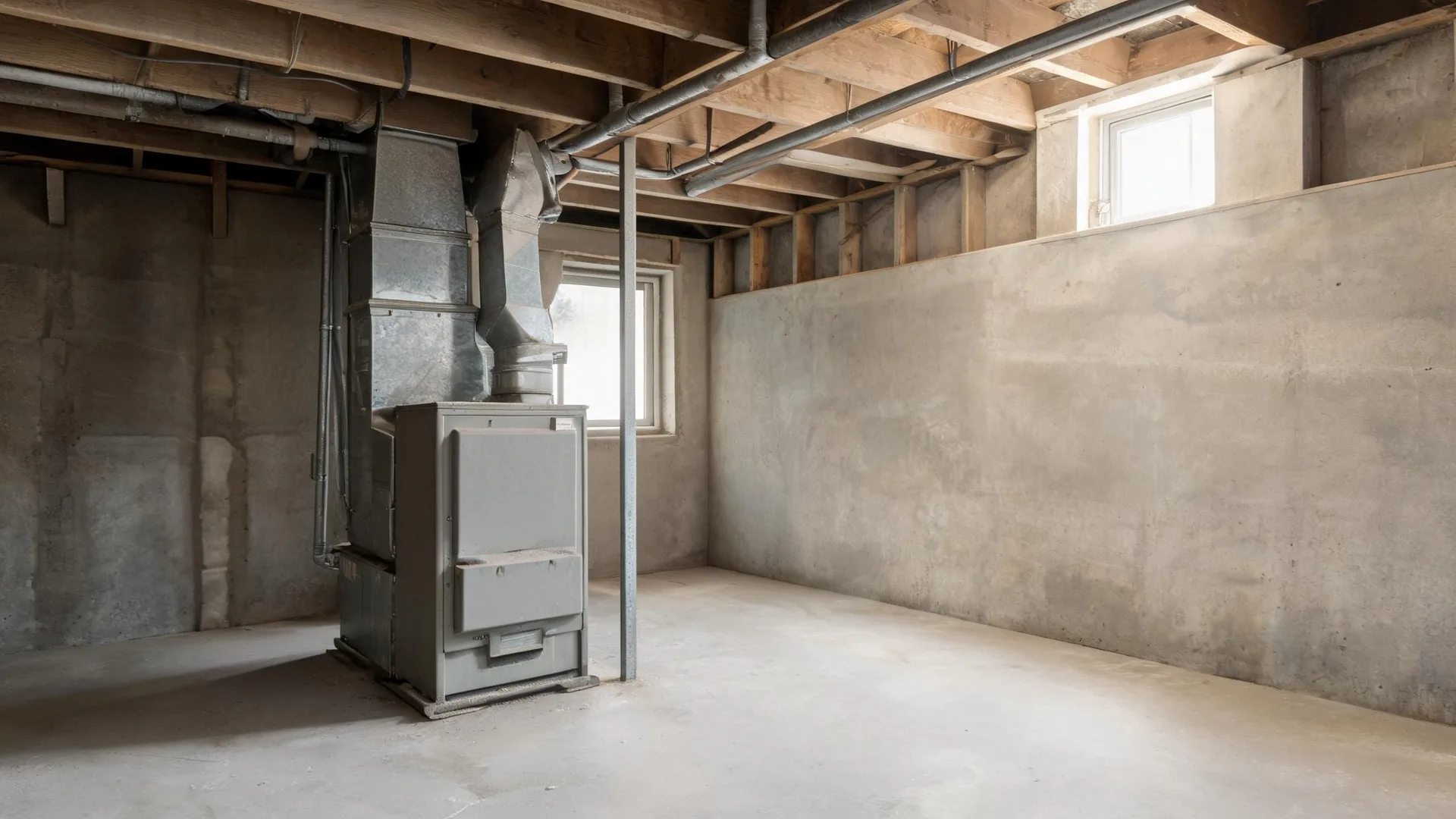
A gray high-efficiency gas furnace installed in an unfinished basement, surrounded by gas lines, a condensate drain, and sheet-metal ductwork.

Five months of work a year, so the timing is yours to pick

Furnace season here runs November through March, about five months. October is the month before it starts, and that's the month to get a new furnace in. Wait until the first cold snap and you're calling around while everyone else is too, on whatever schedule a busy installer has open. Get it done in October and the choice of equipment, the sizing, the duct work if it's needed, all happen before you need the heat on.

Ask what happens to the old ductwork

A new furnace connects to the ducts already in the house. Before quoting equipment, an installer should check duct size, the condition of the plenum, and whether there are rooms that never heated right with the old system. If that check doesn't happen before the quote, the number isn't final yet.

Ask for the efficiency rating in writing, and what it means for venting

Furnaces are rated by how much of the fuel they burn turns into heat in the house versus going out the flue. A higher rated furnace vents differently, usually through PVC pipe instead of metal flue, which changes where it can sit and what the install involves. Get the rating on paper, not just a tier name like standard or high-efficiency.

The old furnace has to come out before the new one goes in, and that's part of the job, not an extra. A gas furnace gets disconnected from the gas line, the flue or vent pipe, and the ductwork, then it gets hauled out. If it's an electric furnace, the installer disconnects the circuit feeding it first. Either way, the old unit doesn't get left behind or reused as a backup. There's no trade-in value in an old furnace, so expect it to go to scrap. If the old one ran on a fuel the new one won't use, ask what happens to that old gas line or flue once it's no longer needed, since leaving it capped off but in place is normal, but it still needs to be done correctly.

A furnace swap usually takes one day, start to finish, unless the ductwork needs real rework. The crew shuts off gas and power to the old unit before anything gets disconnected. Once the old furnace is out, they'll check the flue or vent pipe and the plenum connections before the new furnace goes in, since those have to match up with the new unit's output. Expect some noise and dust while the old ducts get tied in. Toward the end, the installer fires up the new furnace, checks the temperature rise against what the manufacturer specs, and walks the gas line or electrical connection to make sure nothing leaks or runs hot. Before they leave, ask them to show you the thermostat settings and anything about the new system that works differently from the old one.