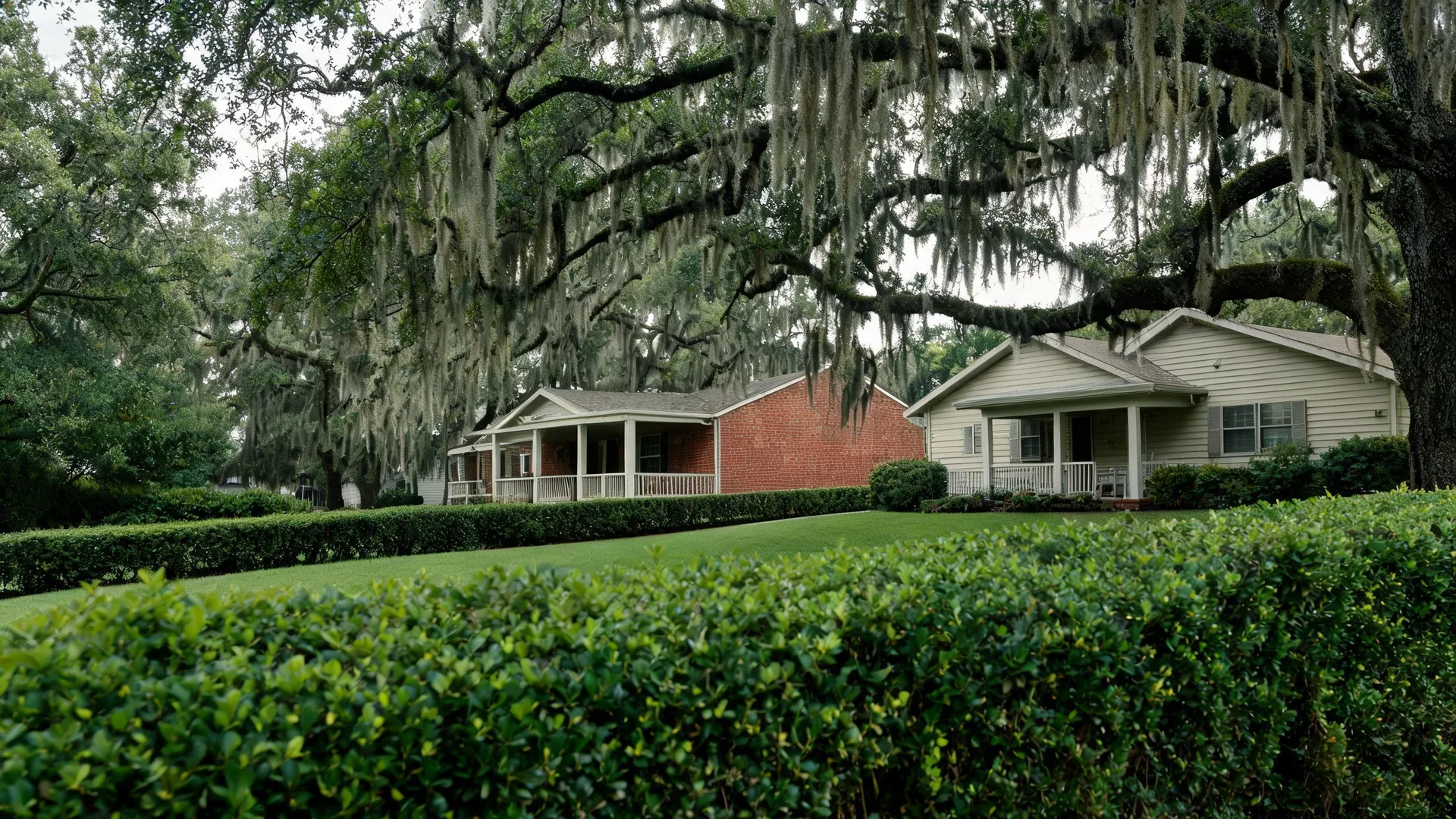






Two single-story houses, one with red brick and one with light siding, behind a trimmed hedge and lawn under large oak trees draped with Spanish moss.

Furnace Repair in Athens, GA

Tell us about the job

Takes about a minute. No obligation.

RepairFurnace or heatingClarke County, GA
Step 1 of 2

What ZIP code is the job in?

Your furnace only has to work five months a year here, November through March. The rest of the time it sits idle while the AC does the work. That's a short shift compared to what furnaces run up north, and it means less wear on the heat exchanger and the igniter over the years. Most of what causes a breakdown around here is a part reaching the end of its life or a thermostat or filter issue, not the furnace being run into the ground. That's usually good news if yours is acting up. It's more often a fixable problem than a sign the whole unit is shot.

5 months
November through March, your furnace is on duty
35°F
the average winter night it heats against
1 winter storms
in ten years, the nights a failure hurts most
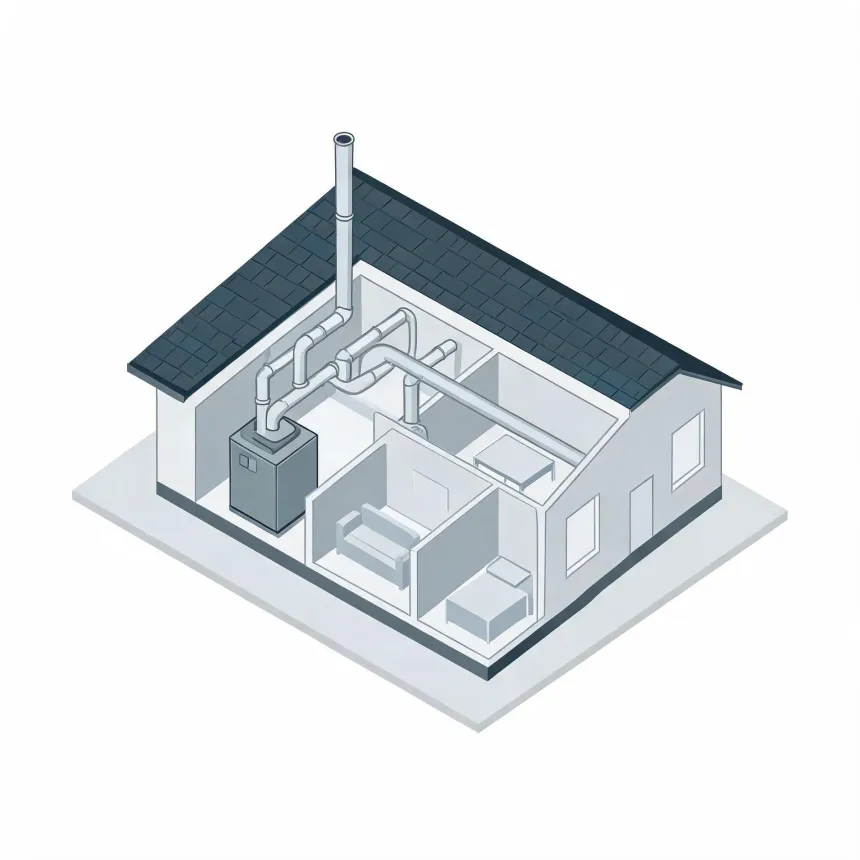
Isometric cutaway illustration of a single-story house showing a gray furnace connected to white ductwork and a flue pipe extending through the shingled roof, with simplified furniture in the interior rooms.
Your furnace works hardest from November through March.

NOAA nClimDiv, 1991–2020 normals

A tech checks the igniter, the flame sensor, the pressure switch and the limit switch before touching anything else.

Most no-heat calls trace back to one of those four parts, so that's where the visit starts.

Half the homes here were built in 1987 or later, and furnaces don't last forever either way

Half the homes here were built by 1987
Heat runs November through March
Winter nights average 35°F
The first cold snap finds the weak partHeat kicks on in November here, and whatever was already failing shows up fast.

Before you call anyone, check the thermostat first. Make sure it's set to heat, not cool, and that the set temperature is actually above room temperature. Next, go look at the filter. A filter clogged with dust can choke off airflow until the furnace overheats and shuts itself down as a safety measure, and that's an easy fix with no tech required. Check that the switch on or near the furnace is flipped on, and that it hasn't tripped a breaker in the electrical panel. If you smell gas at any point, stop checking and get out of the house before doing anything else. If the furnace is running but the air feels cool, look at your return and supply vents and make sure none of them are blocked by furniture or rugs.

A furnace with an easy job here is usually worth fixing

Five months of real work a year leaves most of these furnaces in decent shape underneath whatever's acting up. That points to a repair, not a replacement. Get the part that's failing looked at and the rest of the system has the life left to make it worth doing.

Find a contractor
A man in a cap, dark shirt and tan work pants, seen from behind, carries a canvas tool bag up steps toward a blue front door beside a potted shrub.
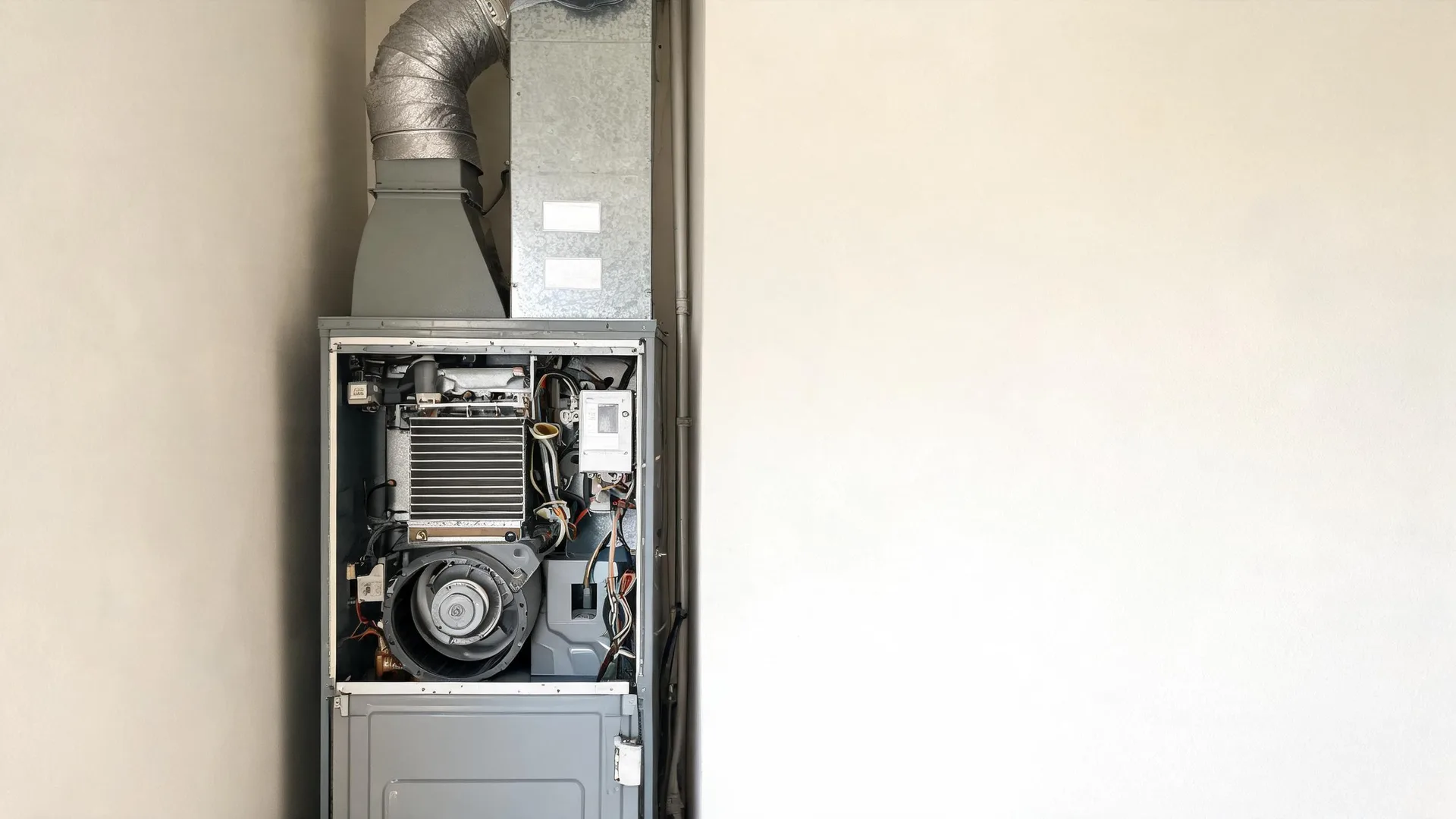
A gray residential gas furnace installed in an unfinished basement, connected to sheet-metal ductwork and PVC pipes.

Light use adds up to a furnace worth fixing

That five month shift is what makes a repair worth doing instead of a replacement. A part can fail on a furnace of any age, but a furnace that only runs half the year has fewer hours on the heat exchanger and the igniter than one running through a long northern winter. So when something goes out on yours, the rest of the unit has likely aged slower than the calendar suggests. Get the failed part fixed and there's no real case for scrapping a furnace that's spent most of its life sitting idle.

Cracked heat exchangers are rare, worn igniters are not

The heat exchanger is the part that actually worries a tech, since a crack there means carbon monoxide can get into the air you breathe. Most furnaces never see that failure. What actually wears out is smaller and cheaper: the hot surface igniter goes brittle after years of heating and cooling cycles and snaps, the flame sensor gets a coating of oxidation and stops reading a flame that's really there, or the pressure switch fails and won't let the burners fire at all. None of those mean the furnace is done. They mean one part needs swapping.
Most failures start with something that isn't the furnace

A dirty filter is behind more no-heat calls than any part inside the cabinet. Airflow gets choked off, the furnace overheats, and a limit switch shuts the whole thing down to keep it from damaging itself. Loose or corroded wiring at the thermostat or the control board causes the same kind of intermittent no-start that looks like a bigger problem. A tech checks these first, because they're cheap to fix and easy to miss if you go straight to replacing parts.

A furnace usually tells you something is wrong before it quits for good. Short cycling is one of the first signs: it fires up, runs for a couple minutes, shuts off, then starts again a little while later. That's often a flame sensor losing its reading or a furnace overheating because airflow is restricted somewhere. A burner flame that's flickering or yellow instead of steady and blue means it isn't burning clean, and that's worth a look. Banging or popping when the furnace kicks on is usually the ductwork expanding, but a grinding or squealing sound points to a motor bearing wearing out. If the air coming out feels lukewarm instead of hot, the burners may be struggling to stay lit, or heat is escaping somewhere between the furnace and the vent. Any of these is easier to deal with before the furnace stops running altogether.

There's no set rule for when a repair stops making sense, but there's a way to think about it. Weigh what's failing against what isn't. A control board, an igniter, a pressure switch, these are contained problems with a clear fix, and replacing one doesn't say anything bad about the rest of the furnace. The heat exchanger is different. If that's cracked, the cabinet around it has usually seen the same years of heat cycles, and a tech will want to look harder at the whole unit before you spend money on just the one part. Multiple repairs stacking up in a short stretch is its own kind of answer, even if each one was small on its own. A furnace that's needed a new igniter, then a new pressure switch, then a new flame sensor within a couple years is telling you the parts are aging out together, not separately.