September is the month to get ahead of it
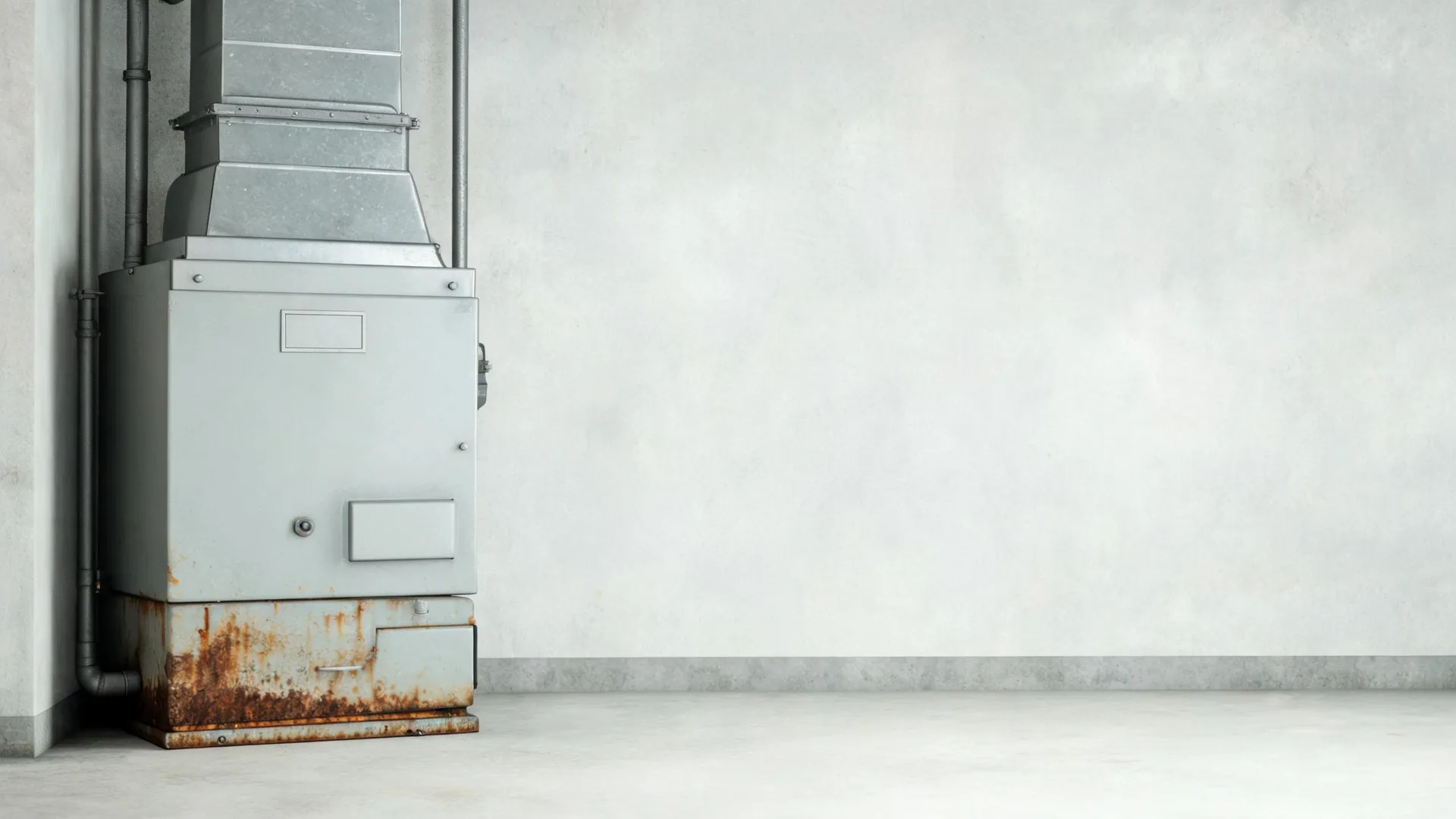
Furnaces in Walker County switch on in October and run through April. September is when a weak igniter or a failing inducer motor gets caught before the cold sets in.
Takes about a minute. No obligation.
Furnaces in Walker County switch on in October and run through April. September is when a weak igniter or a failing inducer motor gets caught before the cold sets in.
A furnace that sat quiet since spring will struggle the first time it has to run a full cycle. If yours is acting up right at the start of the season, that's not bad luck. It's a part that was already on its way out.
NOAA nClimDiv, 1991–2020 normals
Winter lows in Walker County average 33°F, not far below freezing.
Your furnace here isn't working as hard as one up north, so there's usually more life left in it worth fixing.



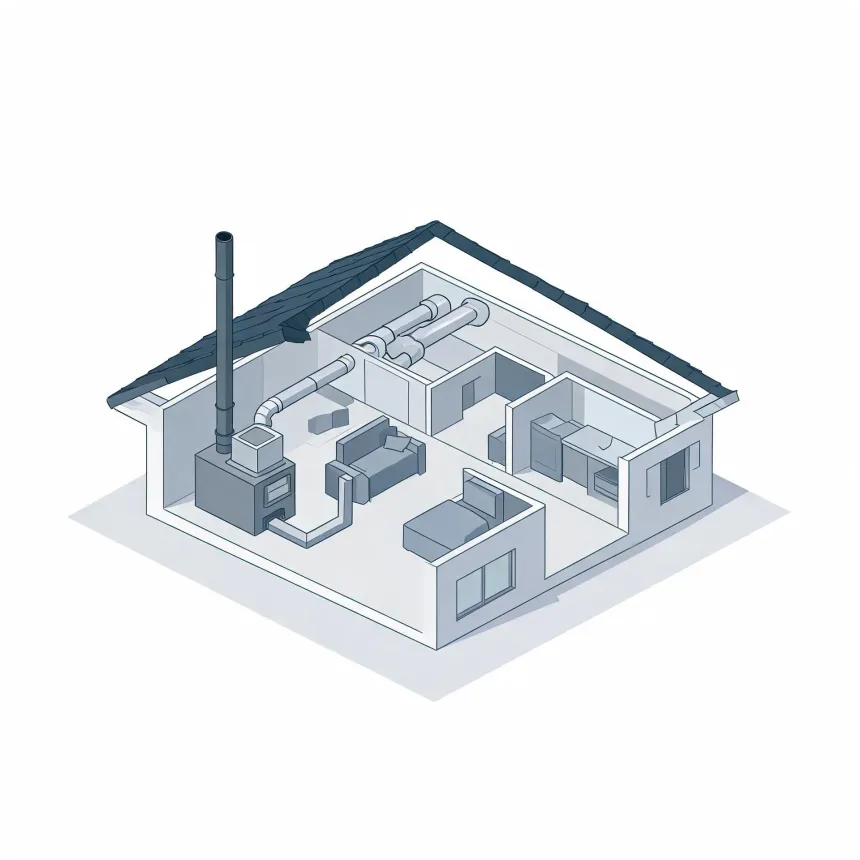
Half the homes in Walker County were built in 1978 or earlier. A furnace that old has usually been swapped out at least once already, so what's running now may not be as old as the house. If yours is original to the house, parts wear out on their own timeline, the igniter, the flame sensor, the blower bearings, no matter how mild the winter is here. Mobile homes make up a real share of the housing in this county, and their furnaces fail the same way any furnace does. Either way, the fix comes down to what actually broke, not what kind of home it's in.
Electricity in Georgia ran $41.27 per million Btu last year. That's part of what makes a repair worth it here. The failure is the usual one, a part worn out from running, not from fighting the cold, and most of those are worth fixing rather than replacing.
Find a contractor
Seven months a year this furnace runs, October through April, and most nights it's not working against much, lows average 33°F. That's the case for calling a repair tech instead of a replacement quote. The part that failed, an igniter, a flame sensor, a blower bearing, failed because it wore out, not because the furnace spent the winter straining against single digit cold. Fix that part and the rest of the furnace is usually still in the shape it was last April.
Check the thermostat first. Make sure it's set to heat and the temperature is set above room temperature, not just holding. Check the filter next, pull it out and hold it up to a light. If you can't see light through it, that's enough to choke the airflow and shut the furnace down. Then look at the breaker panel. A furnace that won't start at all is sometimes just a tripped breaker, and that's worth ruling out before anything else.
A furnace that starts and then shuts off partway through a cycle is doing that on purpose, some part is telling it to stop, and that's not something to chase down yourself. Same with a burner flame that looks yellow instead of blue, or any smell of gas. Those point to combustion problems, and a furnace with a combustion problem should stay off until a technician looks at it.
Most furnace failures come down to a handful of parts that do the same job over and over until they don't. The igniter glows hot every single cycle, and that filament gets more brittle each time until it cracks. The flame sensor sits right in the burner flame and slowly builds up a coating that keeps it from reading the flame at all, so the furnace shuts itself down as a safety measure. Blower motor bearings wear the way any bearing does, running for years until they bind up or start making noise. A capacitor that helps start the blower motor weakens with age and eventually can't deliver the kick the motor needs. None of this is about one hard winter or one brutal cold snap. It's about a part reaching the end of how many times it can do its job before it quits.
A diagnostic visit starts with a question, not a screwdriver. A technician asks what the furnace was doing right before it quit. Short cycling, no heat at all, a strange smell, a new sound, all of that narrows things down before any panel comes off. Then the sequence gets tested in order. Thermostat call, igniter glow, flame sensor signal, gas valve, blower start. Most furnaces fail at one step in that chain, and checking it in order is what finds which one. A multimeter reads the igniter and the capacitor against what they should read, not just whether they look fine. Gas pressure gets checked too, since too high or too low causes problems that look like something else entirely. By the end, the part that failed has a reading attached to it, not a guess.