This county gets hit
Columbia County recorded 121 severe weather events between 2015 and 2024, including 92 damaging wind events, 23 hail events, and a tornado. Three tropical storms or hurricanes came through in that same stretch.
Takes about a minute. No obligation.
Columbia County recorded 121 severe weather events between 2015 and 2024, including 92 damaging wind events, 23 hail events, and a tornado. Three tropical storms or hurricanes came through in that same stretch.
Hail dents the cabinet and bends the fins on an outdoor unit. Wind throws branches and debris into it. A furnace that still fires after a storm can be running with damage nobody's looked at yet.
NOAA nClimDiv, 1991–2020 normals
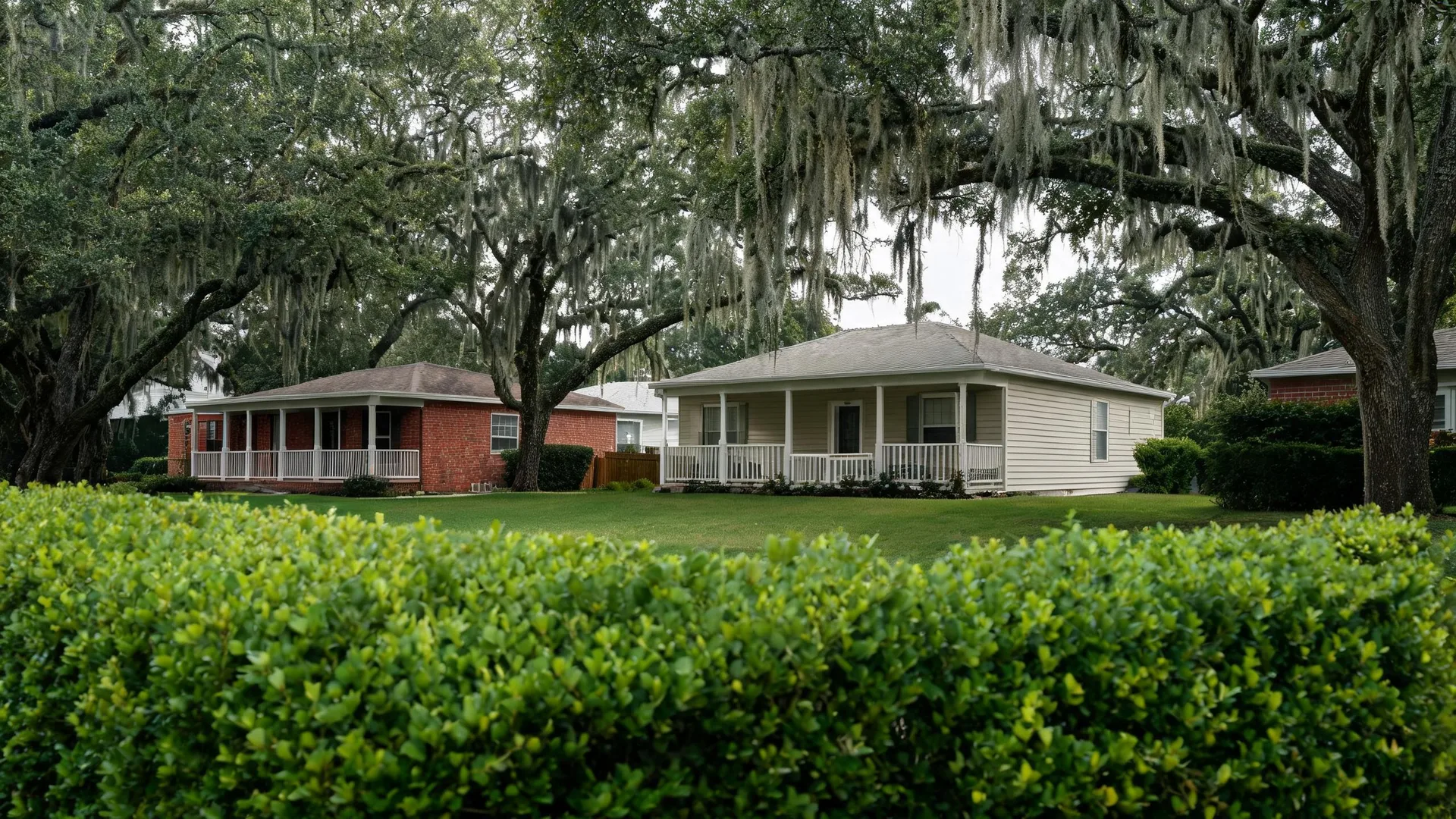
Half the homes in Columbia County were built in 1999 or later.
A furnace that young has likely got years left in it, and that makes repair the right call.



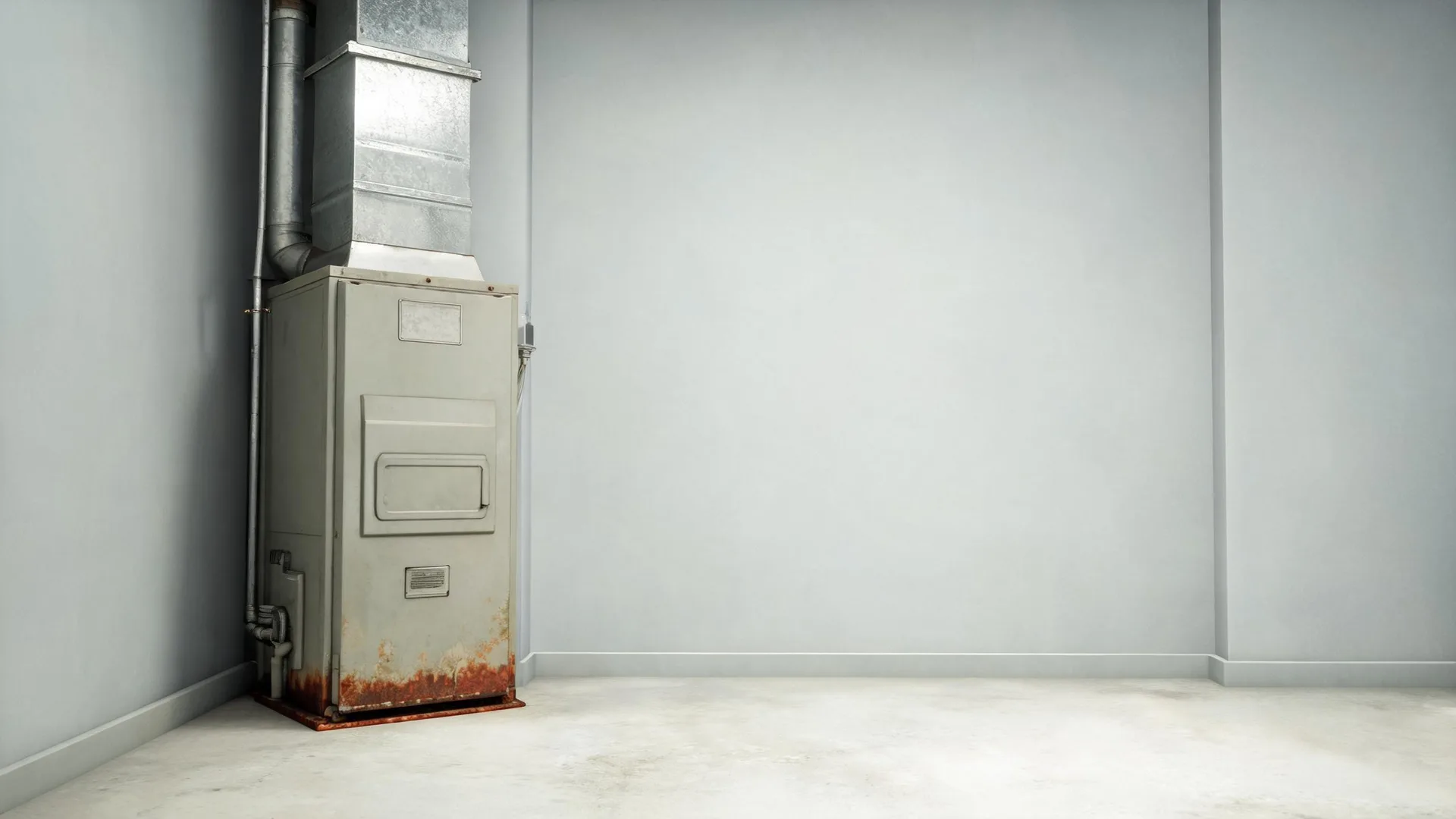
A furnace breaks the same few ways, and the age of the unit usually tells you which kind of break you're looking at. An igniter that won't glow, a flame sensor that's gone weak, a flickering pilot: these are wear parts, and swapping them is a repair, not a verdict on the whole system. A cracked heat exchanger is different. That's the part that separates the flame from the air moving through your house, and once it's cracked it doesn't get patched, it gets replaced, furnace and all. Somewhere between those two is the judgment call: a blower motor that's seized, a control board that's fried. If the rest of the furnace is sound, fixing that one part makes sense. If it's the second or third big repair in a few years, you're paying to keep an old machine limping rather than putting that money toward one that won't need the visit.
If your outdoor unit came through a storm with dents or debris in it, get it looked at even if the furnace still fires. Damage like that doesn't always show up as a problem right away.
Find a contractorIf your furnace came with the house, find out when that was built. A house from 1999 or later is on the newer half of homes in the county, and the furnace in it has probably still got plenty of winters ahead. That's worth knowing before you decide whether to fix what's wrong now. A repair makes sense when the machine underneath it is sound. What tells you otherwise isn't one breakdown, it's a pattern of them.
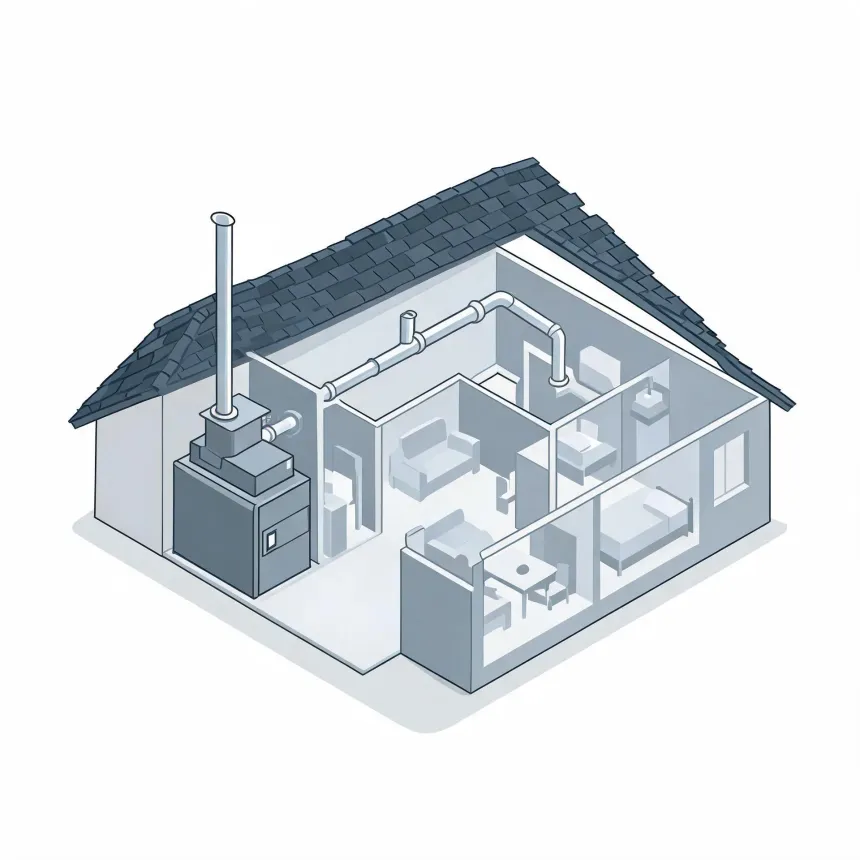
A furnace that's short cycling, or struggling to light, or making a new noise is telling you something's already wrong. Keep running it in that state and the part under strain usually fails the rest of the way, and sometimes takes a second part with it. A cracked heat exchanger that gets forced through another winter can start leaking exhaust into the air moving through the house.
Running a failing furnace isn't the only risk. A furnace that won't stay lit, trips its limit switch, or smells like gas needs to be shut down and looked at, not left alone and not pushed through. The right move is getting a tech out to find out which part failed and whether it's safe to run until they get there.
Most furnace failures trace back to a handful of parts that wear out doing their job. The igniter cycles on and off every time the furnace calls for heat, and over years that repeated heating and cooling is what eventually cracks it. A flame sensor sits in the burner flame and slowly collects a coating that keeps it from sensing the flame at all, so the furnace shuts itself down as a safety measure. Blower motor bearings wear from years of spinning, and a motor working on worn bearings runs hotter and louder until it seizes. Control boards fail from age and from the heat they sit next to, and a board that's failing can cause symptoms that look like something else entirely. None of these parts fail because a furnace is being pushed too hard. They fail because they've been doing the same job, over and over, for years.
A furnace in Columbia County only runs about five months a year, November through March. The rest of the time it sits idle. That is less time for the igniter to cycle, less time for the blower bearings to spin, less time for the control board to sit next to a hot heat exchanger. A furnace running that kind of schedule tends to still be sound underneath when something does go wrong. That is good news if yours just started acting up. It usually means one part failed, not the whole machine.