




White plantation-style houses with wraparound porches lit at night, surrounded by Spanish moss-draped live oak trees.

Furnace Repair in Augusta, GA

Tell us about the job

Takes about a minute. No obligation.

RepairFurnace or heatingRichmond County, GA
Step 1 of 2

What ZIP code is the job in?

Richmond County saw 118 severe weather events between 2015 and 2024, and damaging wind was behind most of them. A furnace doesn't take a hit directly, but what's attached to it does. Wind drives debris into the flue and the outdoor intake, and hail dents whatever sits outside. Almost a third of Georgia households lost power for a day or more in 2024. None of that means your furnace is damaged. It means a system that's been through a few storms is worth a second look, even if it's still lighting and running fine.

5 months
November through March, your furnace is on duty
37°F
the average winter night it heats against
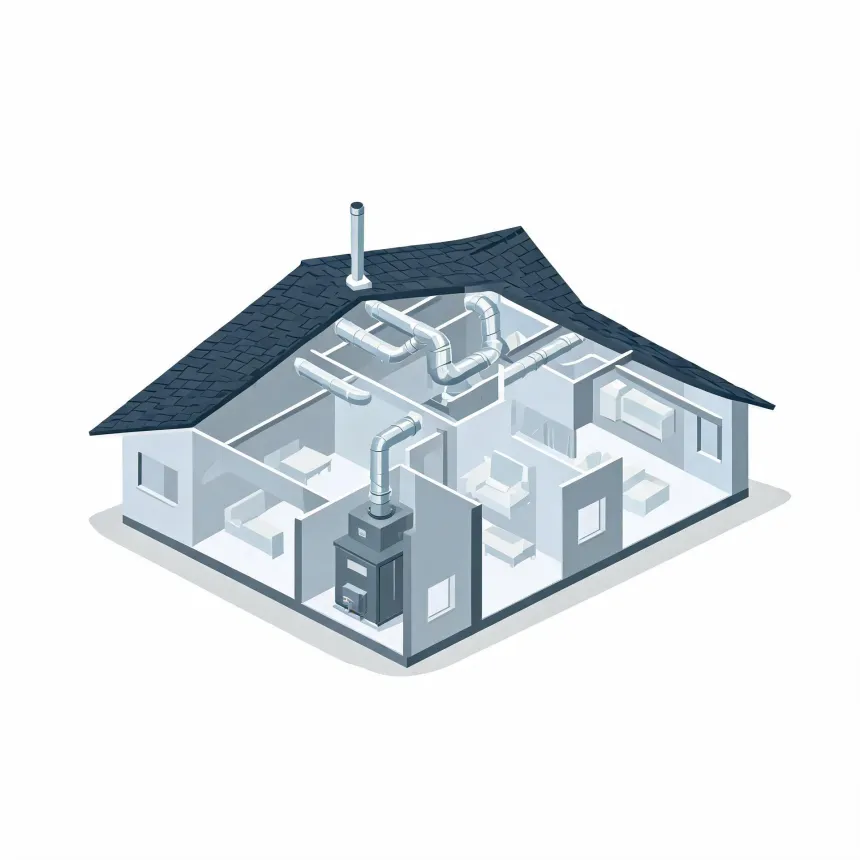
Isometric cutaway illustration of a single-story house showing interior rooms with furniture, a metal ductwork network, and a furnace unit connected to a vertical flue through the dark shingled roof.
Your furnace works hardest from November through March.

NOAA nClimDiv, 1991–2020 normals

Half the homes in Richmond County were built in 1980 or later.

A furnace that came with a newer house still has years in it, worth repairing before anyone talks replacement.

Five months of work a year means your furnace isn't working hard to begin with

Heat runs November through March
Winter nights average 37°F
Climate zone 3A

That five-month season is also a mild one. Overnight lows average 37°F through December, January and February, not the single-digit cold that pushes a furnace to run flat out for hours. A system working against a mild load tends to hold up well, so when something does go wrong, it's usually one part acting up, not a furnace that's worn out from strain. That's worth knowing before you decide whether a repair is worth doing. Most of the time here, it is.

Had a storm come through? Get the furnace checked before it has to run.

If your furnace's flue or outdoor intake took wind-blown debris, or the cabinet picked up a hail dent, it's worth having someone check before the first cold night puts the system back to work.

Find a contractor
A gray high-efficiency gas furnace installed in an unfinished basement, surrounded by gas lines, a condensate drain, and sheet-metal ductwork.

A newer furnace is still a young one

A furnace that's only a few years old isn't the one you tear out over a bad igniter or a stuck flame sensor. If the house is newer and the furnace came with it, get the part fixed and keep running it. Replacement is worth talking about when the repairs start stacking up, not before.

Listen before you look

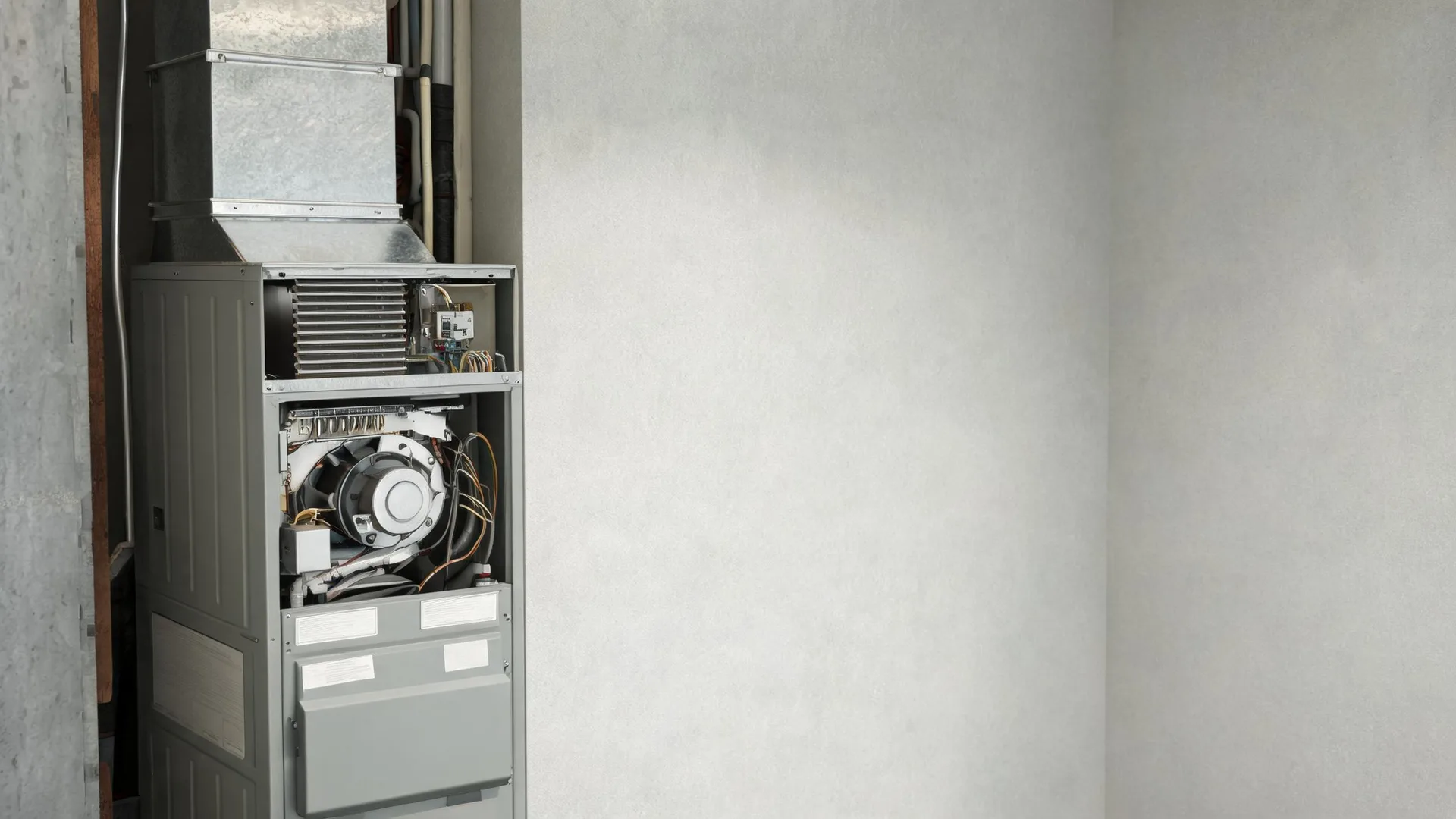
A furnace that bangs when it starts up has a dirty burner or a duct that's expanding against something. Short cycling, where it fires up and shuts off before the house warms, usually means a flame sensor that can't read the flame right, or a filter so clogged the system shuts itself down to keep from overheating. A furnace that runs but never catches up is often just struggling to pull in air it needs.
Smell and sight catch what sound misses

Soot around the front panel means the burner isn't getting clean air or isn't burning fuel all the way. A yellow, flickering flame instead of a steady blue one points the same direction. Warm air with a faint burnt-dust smell on first startup is normal for a day. Past that, or paired with any of the above, it's worth having someone look before the part that's struggling now fails outright.

Most furnace failures trace back to one of a few parts, and they tend to fail the same ways every time. The igniter is first in line. It heats up every single cycle, and that wear eventually cracks it or burns it out, so it won't glow hot enough to light the gas. The flame sensor fouls with a thin layer of residue over time and stops recognizing the flame, so the system shuts itself down as a safety measure even though everything else is working fine. Inducer motors wear out the way any motor does, bearings going first, and a failing one will make the furnace shut down before it ever lights. A clogged filter forces the blower to work against resistance it wasn't built for, and that strain shows up elsewhere in the system before the filter itself gets blamed. None of these parts fail because a furnace is old. They fail because they're the parts doing the work, cycle after cycle, year after year.

A diagnostic visit starts before any panel comes off. A tech will ask what the furnace was doing, when it started, and whether it's constant or only shows up sometimes, because that narrows things down fast. Then it's a look at the flame itself, a check of the igniter and flame sensor, and a read on the pressure switch and inducer motor to see if air is moving the way it should. Most of this gets checked with the cabinet open and the furnace running through a full cycle, since some problems only show up once the system tries to do its job. A filter that's overdue gets caught here too, before it gets blamed for something else. By the end, the point isn't just naming the broken part. It's knowing why that part failed, so the fix holds.