





A gray forced-air furnace with sheet-metal ductwork stands in an unfinished basement with exposed wooden joists, concrete walls, and a hanging incandescent bulb.

Furnace Repair in Winder, GA

Tell us about the job

Takes about a minute. No obligation.

RepairFurnace or heatingBarrow County, GA
Step 1 of 2

What ZIP code is the job in?

Your furnace only has to work about six months a year here, November through April. The other six months it sits idle. That is a light workload compared to places where heat runs most of the year, and it means less wear on the heat exchanger, the igniter, the blower motor. A furnace that isn't run into the ground every winter has a better shot at a straightforward repair instead of a replacement. When something goes wrong with a unit that's had it easy, the cause is more often a part worn by age or sitting unused than one worn out from overwork.

6 months
November through April, your furnace is on duty
35°F
the average winter night it heats against
3 winter storms
in ten years, the nights a failure hurts most
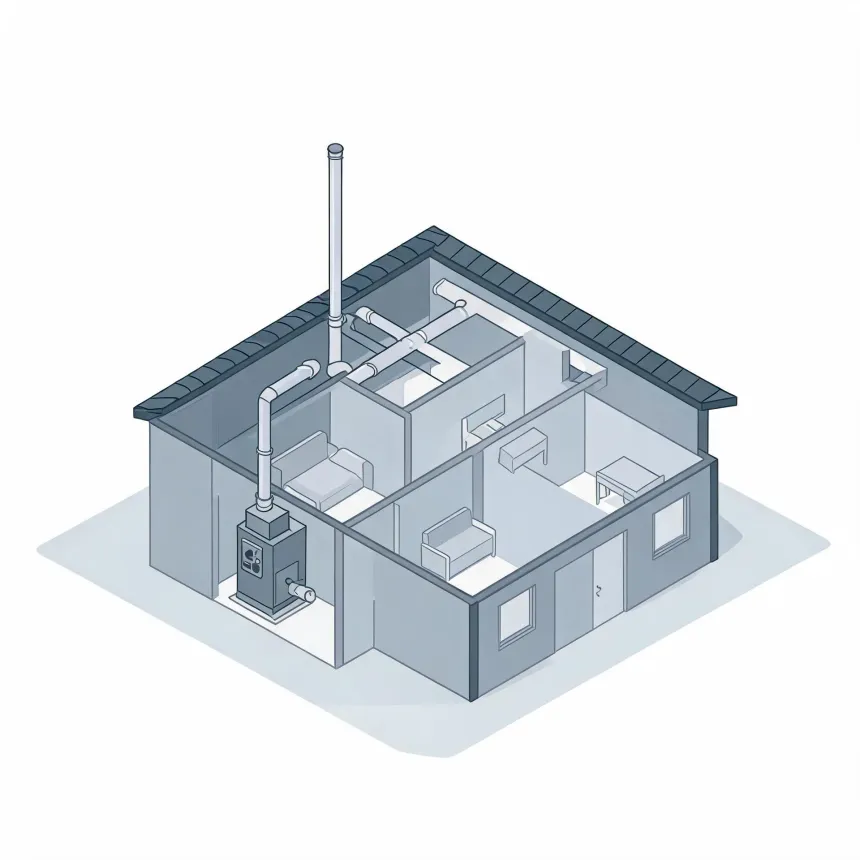
Isometric grayscale illustration of a cutaway single-story house showing interior rooms with furniture, a furnace unit connected to ductwork and a tall vertical flue pipe extending above the roof.
Your furnace works hardest from November through March.

NOAA nClimDiv, 1991–2020 normals

A cracked heat exchanger means replacement, but almost everything else on a furnace can be fixed on its own.

Get the blower motor, the igniter, or the control board looked at before anyone tells you the whole unit is done.

Half the homes here were built in 2001 or later, and so was the furnace in them

Half the homes here were built by 2001
Climate zone 3A
Heat runs November through April
Trouble Usually Starts in NovemberFurnaces sit idle from April through October, so a weak part often doesn't show itself until the first cold night asks something of it.

A cracked heat exchanger is the one problem that gets worse by definition, since every cycle flexes the metal further along that crack. Most other furnace trouble does not work that way. A dirty flame sensor will keep tripping the furnace into shutdown whether you run it once a day or ten times a day. A failing igniter either lights the gas or it doesn't. Where running it does cause harm is secondhand. A clogged filter starves the blower for air, and the heat exchanger runs hotter than it should every time the burners fire, which shortens its life. A blower motor with a bad bearing will keep drawing hard on itself until it seizes, instead of wearing down slowly. The furnace rarely tells you to stop by refusing to run. It tells you with a smell, a sound, a short cycle, or a breaker that trips, and that is the signal worth listening to before the next cycle starts.

A Light Workload Means Most Repairs Are Worth Making

A furnace that only runs six months a year and sits in a house built this century is usually a good candidate for repair, not replacement. Get the part that's actually failing looked at before you spend on a new system.

Find a contractor
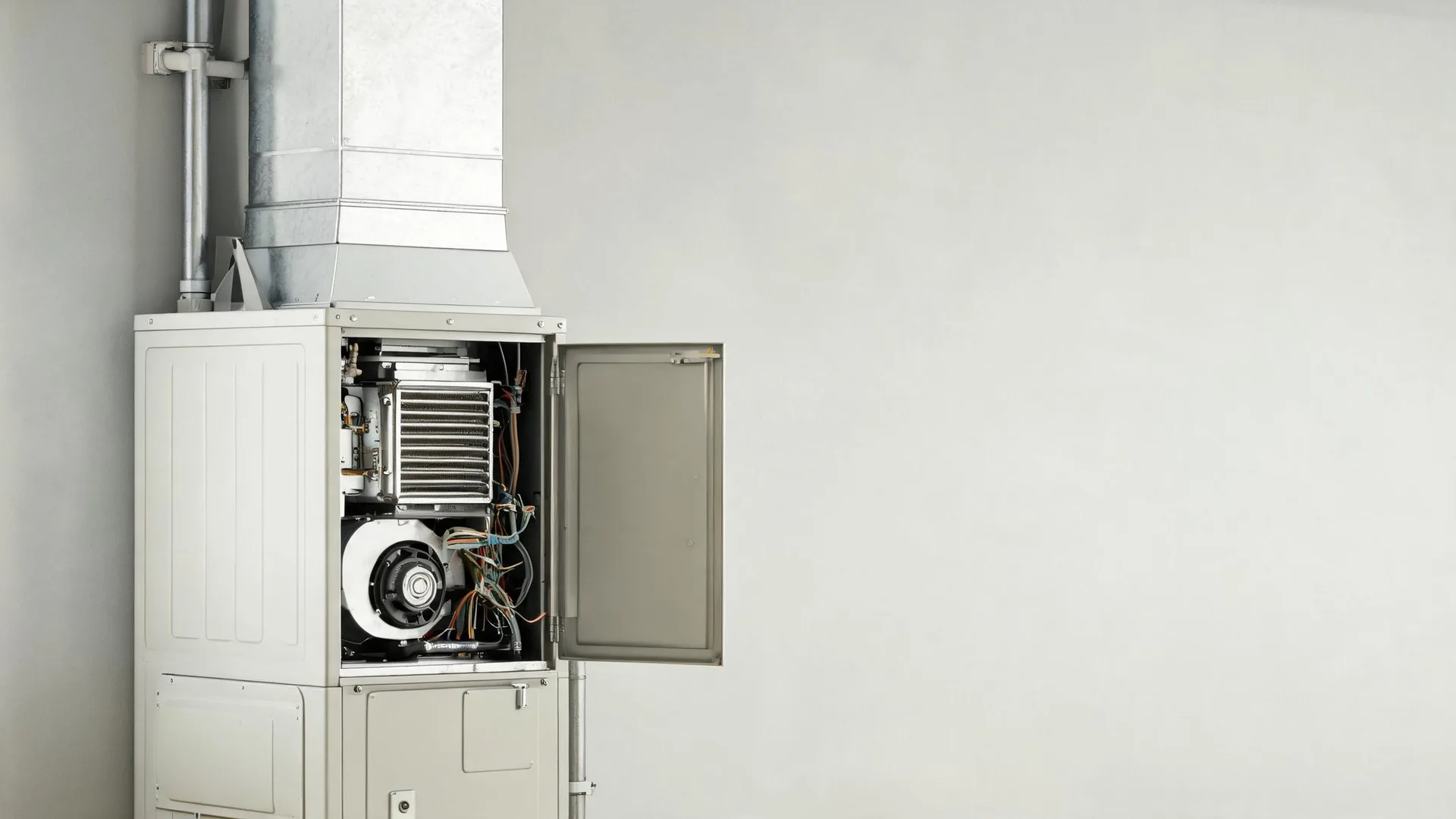
A gray gas furnace with attached ductwork and piping installed in an unfinished concrete basement.

Built This Century, Still Early in Its Life

If the furnace came with the house, 2001 or later puts it well inside the stretch where parts fail one at a time instead of all at once. A system that age has plenty of life left in the blower motor, the control board, the heat exchanger. Worth asking whoever comes out to look how old the unit actually is before any talk of replacing it.

What You'll Notice First

A furnace in trouble usually says so in ways you can sense without a gauge. Short cycling, where it fires up and shuts off again before the house warms, points to a flame sensor or a limit switch cutting things off early. A burner flame that burns yellow instead of blue means the gas isn't mixing right and needs a look. Banging or popping from the ductwork when it starts usually means the burners are delayed in lighting. A burning or musty smell in the first minutes of a cycle is common at the start of the season as dust burns off, but a smell that stays, or smells like gas, is not something to wait on.
What To Do About It

None of these signs tell you to shut the furnace off and wait for spring, but none of them should be ignored either. A tripped breaker, a smell that lingers, or a furnace that won't stay lit are all reasons to get a technician out before the next cold night makes the same part work again. Most of these problems are a single part failing on its own, not the whole system going down at once, and catching the part early is what keeps the repair small.

There are a few things worth checking before anyone comes out. Look at the filter first, since a clogged one starves the blower and can cause the exact short cycling that gets blamed on worse problems. Check the thermostat is set to heat and the batteries aren't dead, and make sure the furnace switch, the one that looks like a light switch near the unit, hasn't been bumped off. Go to the breaker panel and see if the breaker feeding the furnace has tripped. If the furnace has a standing pilot, check whether the pilot light is actually lit. None of this fixes a bad igniter or a failing control board, but it rules out the simple causes before paying someone to find out the filter was the whole problem.

A diagnostic visit starts before any panel comes off. A technician will ask what the furnace was doing right before it quit, since a smell, a sound, or a tripped breaker each point somewhere different. From there it's a sequence, not a guess. Power and gas supply get checked first, then the control board, since that board is what tells every other part when to fire. If the board is calling for heat correctly, attention moves to the igniter and the flame sensor, watching the actual ignition sequence happen. A multimeter comes out for anything electrical, a blower motor's windings or a limit switch, because those parts fail in ways you can measure even when they look fine. The furnace gets run through a full cycle if it's safe to do so, since some problems only show up once things heat up. By the end, the point isn't just naming which part failed. It's knowing why, so the replacement doesn't fail the same way in a year.