




A nighttime street scene featuring a row of lit white colonial-style houses with wrap-around porches, flanked by oak trees draped in Spanish moss.

Furnace Repair in Columbus, GA

Tell us about the job

Takes about a minute. No obligation.

RepairFurnace or heatingMuscogee County, GA
Step 1 of 2

What ZIP code is the job in?

Muscogee County saw 74 severe weather events between 2015 and 2024. Most of that was wind, 51 events, with 14 hail events and 4 tornadoes mixed in. Wind and hail both go after the outdoor parts of a heating and cooling system, and furnaces that share a system with central air have an outdoor unit sitting right in the path of it. Across Georgia, 31% of households went at least a day without power in 2024. A furnace that depends on electricity to run, even a gas one, stops doing its job the moment the power does.

5 months
November through March, your furnace is on duty
37°F
the average winter night it heats against
1 winter storms
in ten years, the nights a failure hurts most
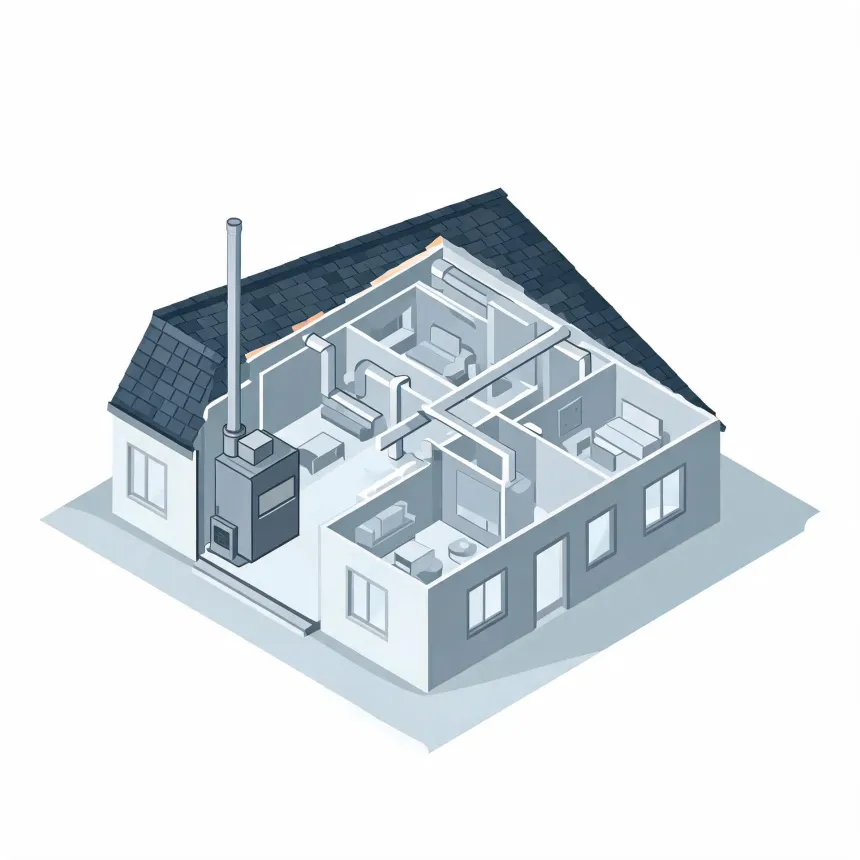
Isometric cutaway illustration of a single-story house showing interior rooms, ductwork, and a dark furnace unit with a tall flue pipe rising past the shingled roof.
Your furnace works hardest from November through February.

NOAA nClimDiv, 1991–2020 normals

Your furnace only has to run about five months a year here, November through March.

That light a job means most repairs are worth making instead of walking away.

Furnace trouble in Columbus shows up the first cold night, not before

Heat runs November through March
Climate zone 3A
Winter nights average 37°F

A furnace that only runs five months a year still needs to start reliably on that first cold night. Get a technician out to look at the igniter, the flame sensor, and the burner before you decide a repair isn't worth it. A short duty cycle means these parts spend most of the year resting, not wearing down, so a furnace with a few years on it is usually still in good shape underneath whatever's acting up. Replacing one part that failed costs less than replacing a furnace that had plenty of life left in it.

Had storm damage this year? Get the system checked before winter asks something of it

If your outdoor unit has taken hail or wind damage this summer, get it looked at even if the furnace still fires up fine on cold nights. A dented coil or a cracked fan shroud can sit there for months before it causes a real failure.

Find a contractor
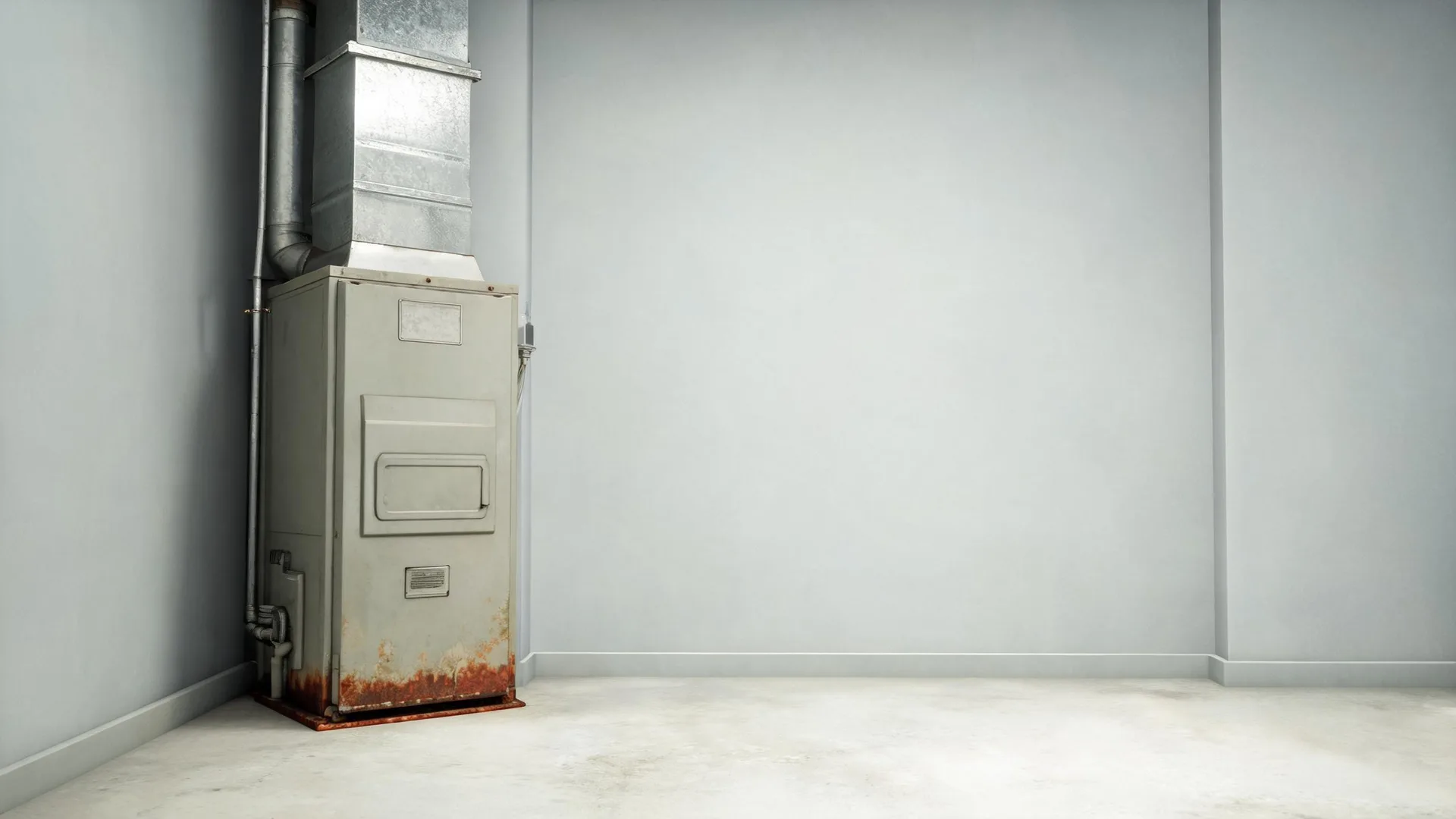
A gray high-efficiency gas furnace installed in an unfinished basement, surrounded by gas lines, a condensate drain, and sheet-metal ductwork.

What a furnace sounds like before it fails

A furnace usually tells you something is wrong before it quits for good. It might take two or three tries to light instead of one. The flame through the sight glass might look yellow and ragged instead of steady blue. You might hear a bang when it fires, which usually means gas is pooling before it lights instead of catching right away. The blower might run but push out air that never gets warm, which points at the burner or the gas valve rather than the fan. A furnace that short cycles, kicking on and off every few minutes instead of running a full heating cycle, is often struggling with a dirty flame sensor or a cracked heat exchanger. A burning or metallic smell the first time you fire it up after months of sitting idle is normal for a few minutes. If it doesn't fade, that's dust burning somewhere it shouldn't. Any of these is worth a call. None of them mean the whole furnace is done.

Most failures start with the igniter or flame sensor

The igniter has to heat up and light the gas every time the furnace starts, and that cycle of heating and cooling wears it out over time until it cracks or stops glowing hot enough. The flame sensor has a simpler job, just confirming a flame is actually there, but it picks up a film of residue from normal combustion and eventually can't sense the flame through it. Both are small parts, both get replaced often, and neither means anything else in the furnace is in trouble.
The parts that fail from age instead of use

A heat exchanger can develop cracks after years of heating and cooling, and that's a safety issue rather than a performance one since it lets combustion gas mix with the air going into the house. A draft inducer motor can wear out on its bearings and start failing to prove a strong enough draft before the burner is allowed to light. Neither failure announces itself the way a bad igniter does. A technician checks both during any real inspection, not just when something is already acting up.

A furnace that's struggling doesn't fix itself by staying on. If the flame sensor is coated enough to lose the flame partway through a cycle, every restart puts the igniter through another heating and cooling swing it didn't need. If a heat exchanger has started to crack, running it longer only flexes that crack more with each cycle of heat. A draft inducer losing strength will keep trying to prove a draft it can't quite reach, and that strain is what finishes off its bearings. Short cycling is the clearest case: a furnace that stops and restarts every few minutes wears its igniter through dozens of extra ignition cycles in a single evening, instead of the one or two a healthy furnace uses. None of this means shut it off and wait. It means the sooner a technician sees it, the smaller the list of parts that failed by the time they get there.

Age by itself doesn't tell you much about a furnace. What matters is which part failed and what it would take to fix it. A cracked heat exchanger is a real stopping point, since that's not a part you patch, and a technician will tell you straight that it's time to replace the unit. A bad igniter, a fouled flame sensor, a failed draft inducer or a bad control board are different. Those get swapped out on their own, and the rest of the furnace, the burner assembly, the gas valve, the cabinet, keeps going like nothing happened. The question worth asking isn't how old the furnace is. It's whether what broke is a part or the whole machine.