Single-story houses with beige siding and a brick building set on a mown lawn behind a trimmed hedge, framed by large oak branches draped with Spanish moss.

Furnace Repair in Statesboro, GA

Tell us about the job

Takes about a minute. No obligation.

RepairFurnace or heatingBulloch County, GA
Step 1 of 2

What ZIP code is the job in?

Bulloch County sees more than its share of storms

174 severe weather events hit the county between 2015 and 2024. Most of that was damaging wind, along with a run of hail and a couple of tornadoes. Hail and flying debris are hard on an outdoor unit even when the furnace itself sits inside.

Outages here run long

Statewide, 31% of Georgia households lost power for 24 hours or more in 2024. A furnace that sits dead that long, then comes back on, is worth a second look even if it seems to run fine.

5 months
November through March, your furnace is on duty
39°F
the average winter night it heats against
1 winter storms
in ten years, the nights a failure hurts most
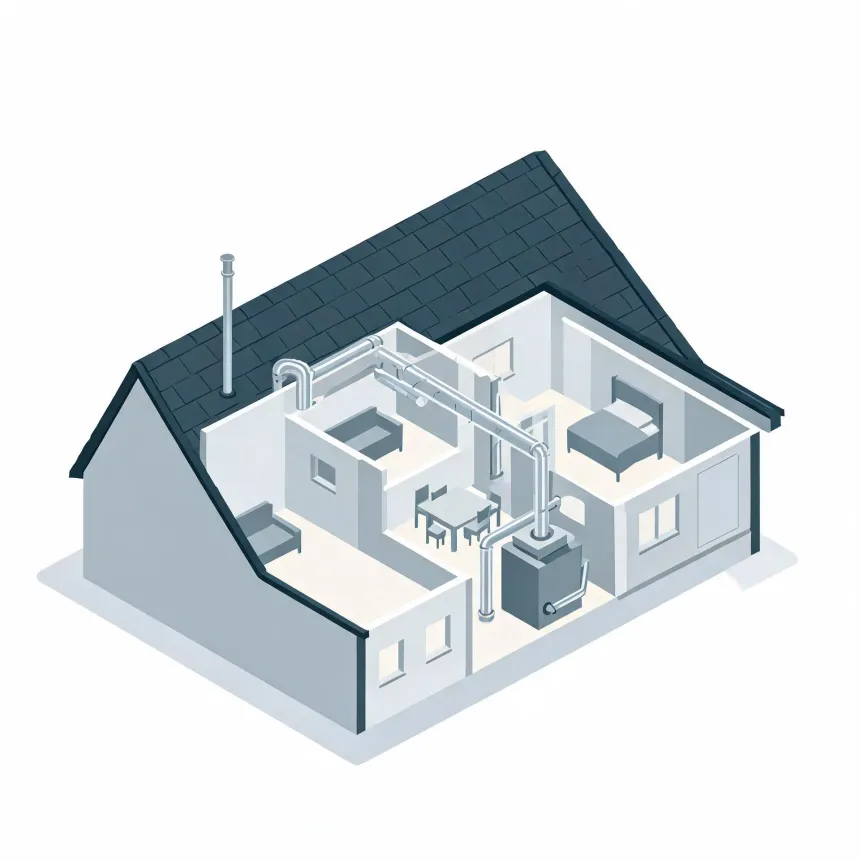
Isometric cutaway illustration of a single-story house with a dark shingled roof, showing interior rooms with furniture and a ducted furnace unit connected to metal ductwork and a roof flue.
Your furnace works hardest from November through February.

NOAA nClimDiv, 1991–2020 normals

Furnaces in Bulloch County only have to work about five months a year.

A furnace that isn't worked hard all year is usually worth repairing instead of replacing.

Half the homes in Bulloch County were built in 1995 or later

Half the homes here were built by 1995
Heat runs November through March
Winter nights average 39°F
Statesboro's furnaces start coldIdle since March, they're asked to work again in November.

After a storm knocks out power for a day or more, don't just wait for the furnace to kick back on and call it fine. Have the ignition system and flame sensor checked before you trust it through a cold night. The same goes if a system shutdown happened mid-cycle rather than a normal off. A furnace that restarts and runs can still have a cracked igniter or a sensor knocked out of position from the power cutting out hard instead of shutting down on its own.

A furnace this lightly used is usually worth fixing

Five months of work a year is not much to show wear. If yours is acting up, a repair is the likely answer, not a new system. Get it looked at and find out what it actually needs.

Find a contractor
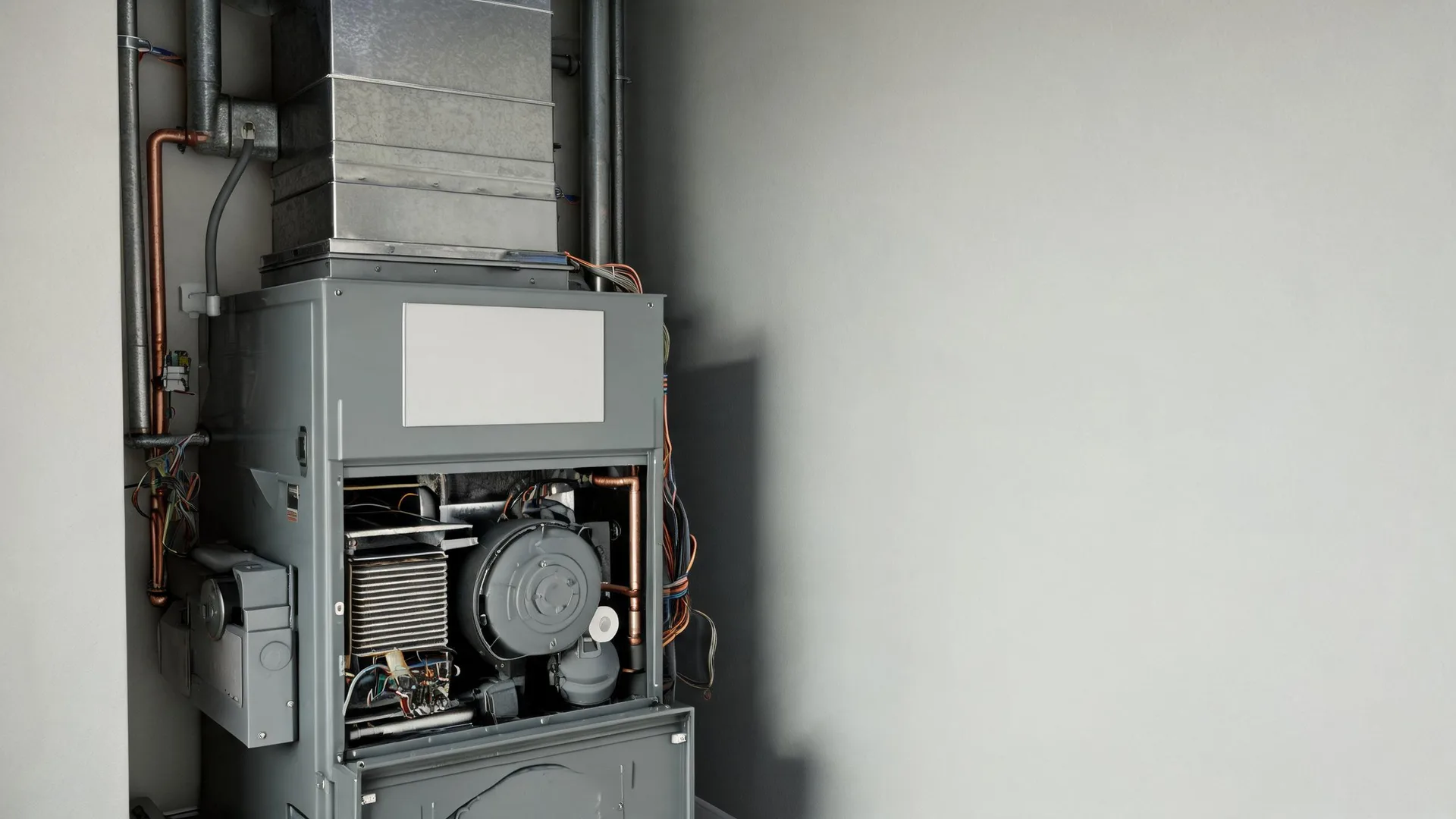
A gray high-efficiency gas furnace installed in an unfinished basement, surrounded by gas lines, a condensate drain, and sheet-metal ductwork.

A newer furnace is worth fixing

If your furnace came with the house, there's a good chance it's not old. Get the actual repair done and keep it. Replacement makes more sense on a system that's already near the end of its years, not one that still has most of them left.

Short cycling means something is telling it to stop

A furnace that fires, runs a couple minutes, then shuts off and starts again isn't warming up right, and it's not supposed to do that. A cracked heat exchanger, a dirty flame sensor, or a clogged filter can all cause it. The furnace is protecting itself by shutting down, which is better than the alternative, but it still needs a tech to find out which one it is.

A new sound or smell is the furnace telling you first

Banging at startup, a screech from the blower, or a burning dust smell that doesn't fade after a few minutes are all worth paying attention to. Banging usually means gas built up before ignition caught. A smell that lingers, especially anything sharp or like rotten eggs, means stop running it and get someone out rather than waiting to see if it clears on its own.

Most furnace failures trace back to one of a handful of parts. The igniter is the one most likely to quit, since it heats up and cools down every single cycle and that stress eventually cracks it. The flame sensor doesn't fail so much as get dirty, a film builds up on the rod until it can't detect the flame anymore and the furnace shuts itself down rather than run blind. Blower motors wear through their bearings over years of spinning, and you'll usually hear that coming before it quits outright. A draft inducer motor can fail the same way. Gas valves last a long time but when one sticks, the furnace won't get fuel or won't shut it off cleanly. None of these are related to how hard the furnace is worked in a given year, they're wear parts that fail on their own schedule.

A diagnostic starts with questions before any panel comes off. A tech wants to know what the furnace is doing. Does it short cycle. Does it smell. Did it stop mid-run or just fail to start at all. Then the cover comes off and the tech watches it go through an actual cycle, because a lot of faults only show up during ignition or right after the blower kicks on. The flame sensor and igniter get checked. Gas pressure gets tested. The heat exchanger gets a look for cracks or scorch marks. A multimeter comes out for the control board and the blower motor windings. By the end you should hear what's wrong in plain terms, not just a part number, and what happens if it's left as is.