
Heat pump vs furnace in Bibb County, Georgia

Get a Local Quote

See real numbers before you choose

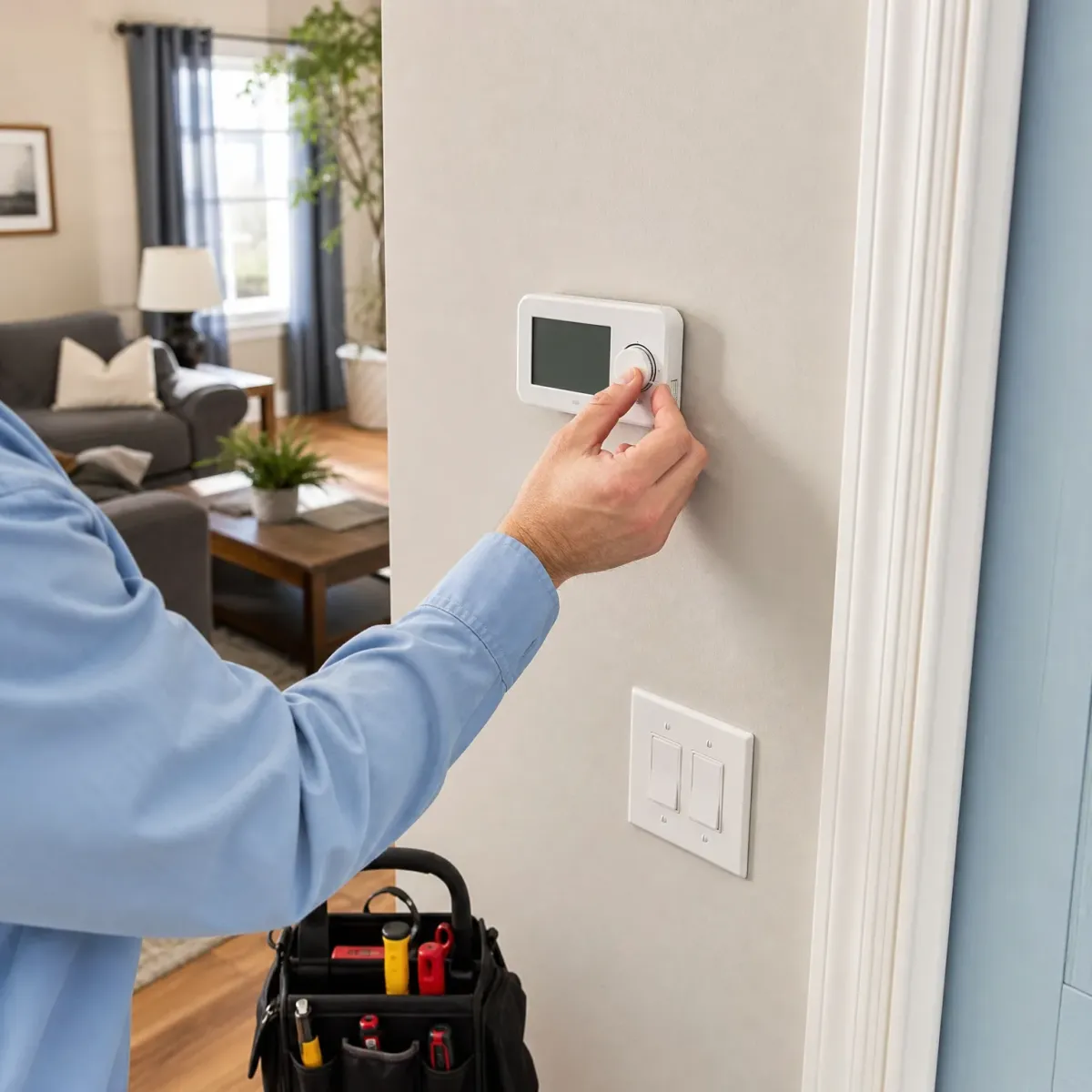
A person in a light blue shirt reaches up to adjust a white wall-mounted thermostat with a dial, with a light switch plate below and a living room with sofa and window in the background, and an open tool bag at lower left.

Tell us about the job

Takes about a minute. No obligation.

New system or replacementBibb County, GA
Step 1 of 3

What kind of equipment?

Which costs less to run in Bibb County?

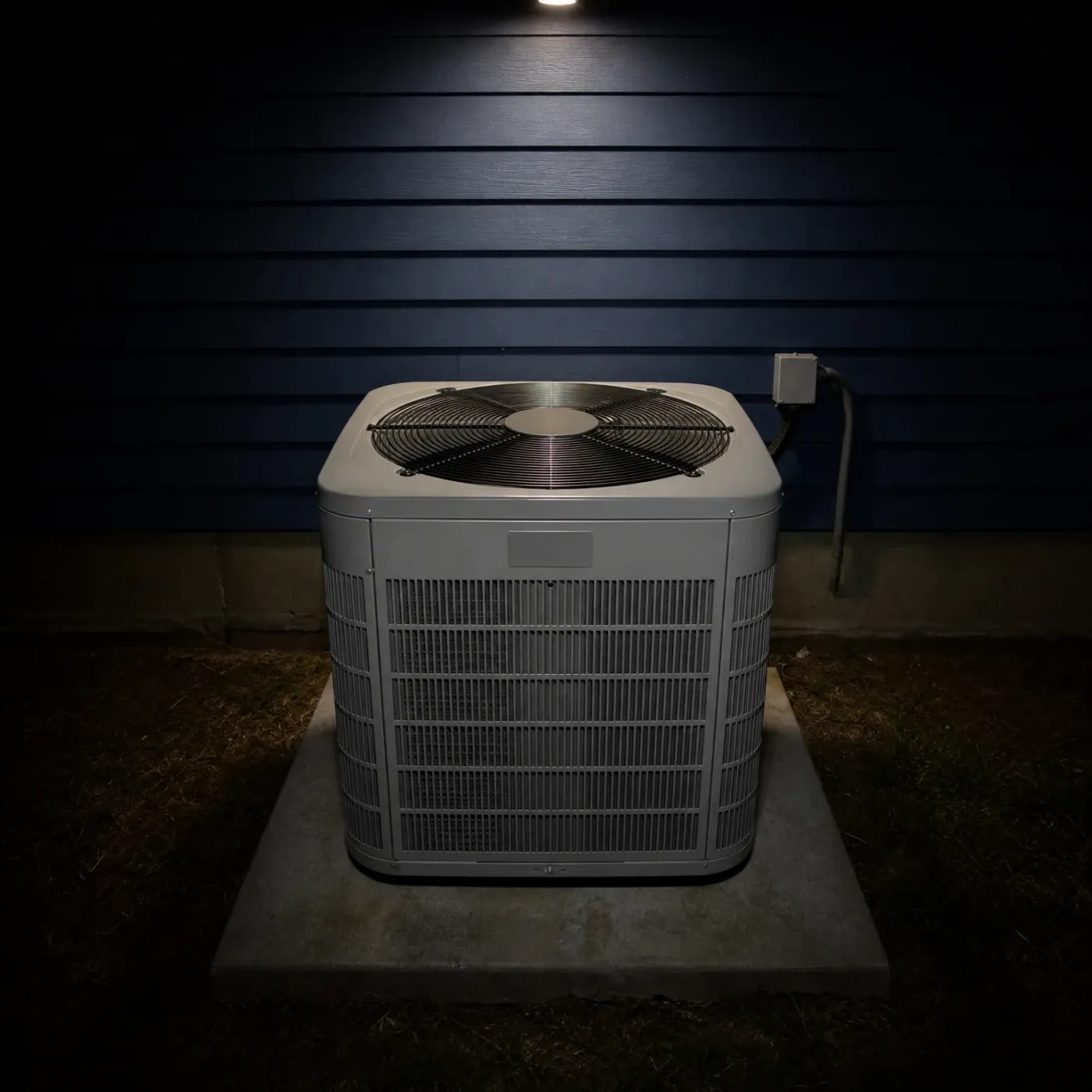
An outdoor condenser unit on a concrete pad against dark blue horizontal lap siding at night, lit from above, with a disconnect box and conduit on the wall behind it.

Heat pump

To heat your home here$1.88per 100,000 Btu

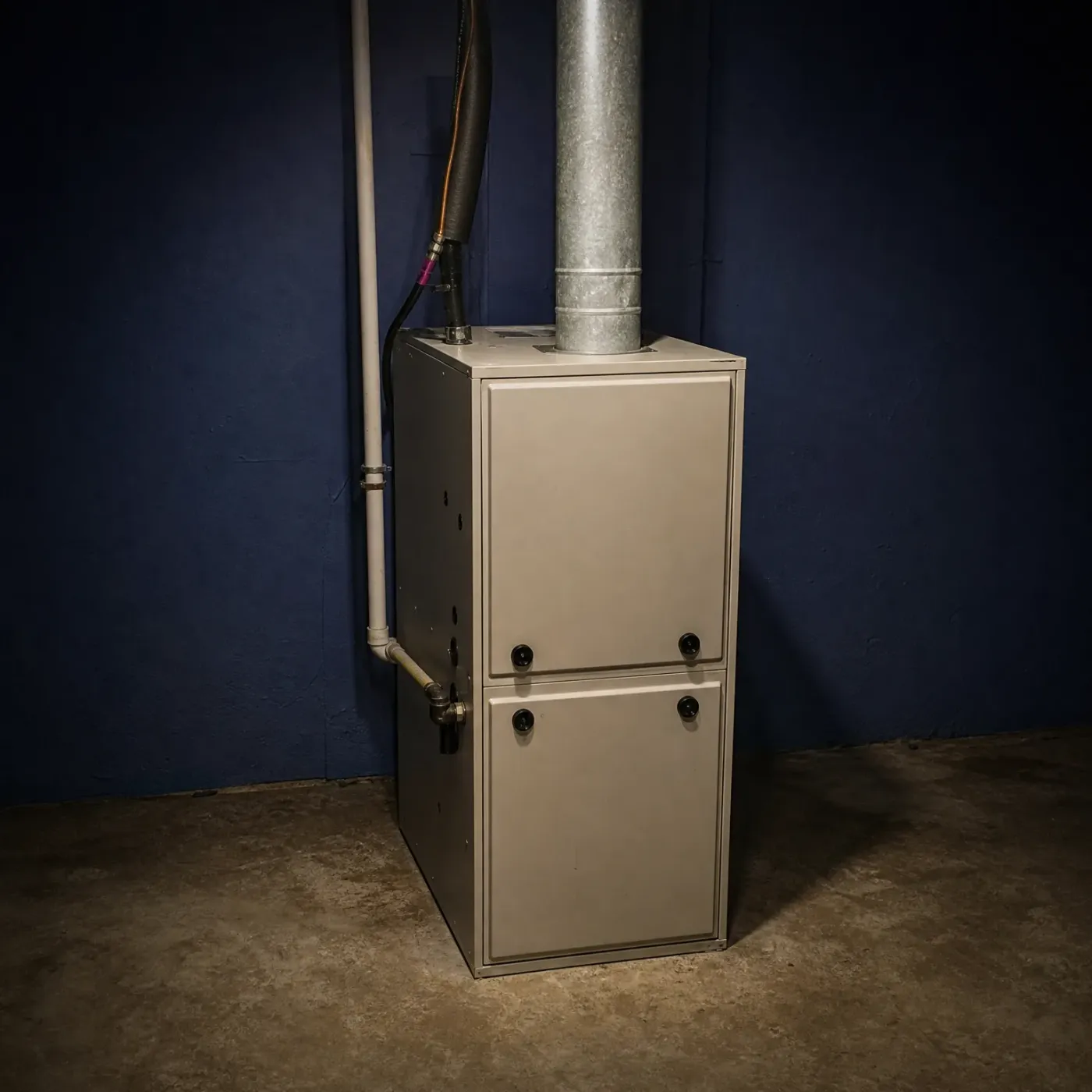
A beige furnace cabinet stands against a dark blue wall on a concrete floor, with a galvanized metal flue pipe rising from its top and white and insulated pipes running down the wall beside it.

Furnace

To heat your home here$2.21per 100,000 Btu

At Georgia's gas and electricity prices, a heat pump makes the same heat as a gas furnace for about 15% less.

Btu stands for British thermal unit, the standard measure of heat energy.

Where does a heat pump shine?

  • Made for mild winters

    Winter nights here average 36°F, not far below room temperature. A heat pump doesn't have to work hard to close that gap, so it can carry the whole house through December, January and February on its own.

    A navy-blue clapboard house with a white-columned front porch, light blue front door with sidelights, wooden rocking chair with a plaid blanket, black rubber boots, and a hanging American flag, above frost-covered lawn and a stone walkway leading to the steps.
  • Covers a long cooling season

    Cooling runs May through September here, five months of the year. A heat pump handles all of that, then switches over to keep the house warm once it turns cold, so one system is doing the work in every season.

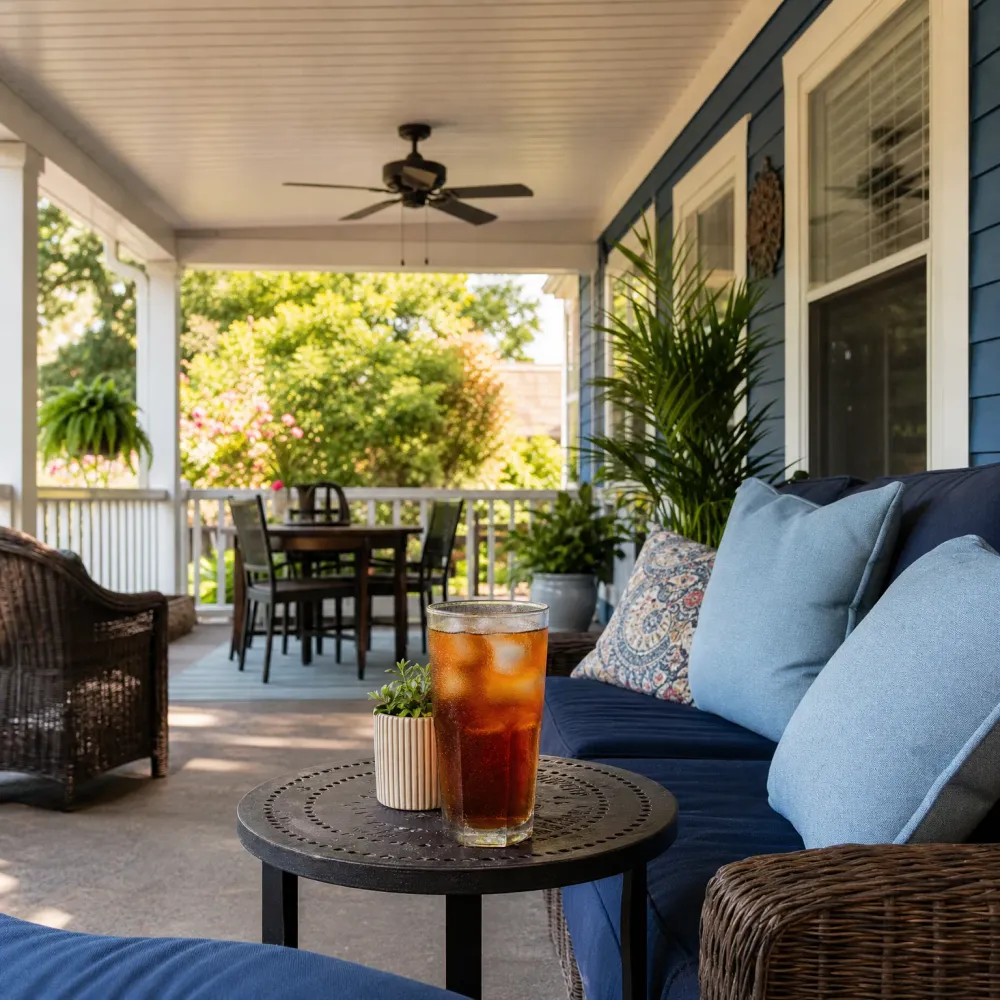
    A covered porch with blue siding, a ceiling fan, wicker furniture with navy and light blue cushions, and a glass of iced tea beside a small potted plant on a round metal side table.
  • Heats and cools in one system

    Winter and summer are covered by the same outdoor unit. That's one machine to service instead of two.

    A cream sofa with blue cushions and a blue fringed throw sits beneath a dark-framed window overlooking a green garden, with a wooden coffee table holding a bowl, mug and books in the foreground and a table lamp and framed landscape painting at left.

Where does a furnace shine?

  • Fast, strong heat on demand

    The air coming from the vents feels genuinely hot. That's welcome on a freezing morning.

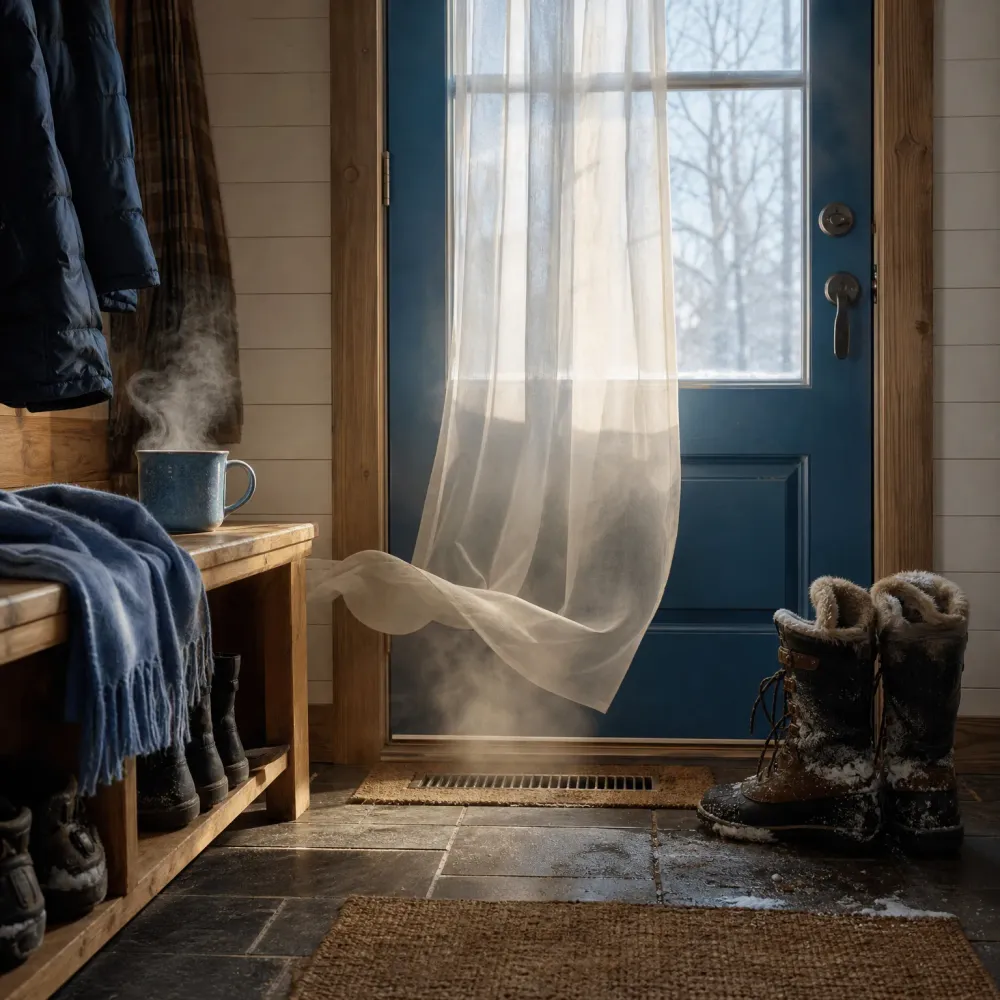
    Interior entryway with a blue door with a window, a sheer curtain blowing inward, a steaming mug on a wooden bench with boots stored beneath, snow-dusted fur-lined boots on a stone floor, and a floor vent near the threshold.
  • Pairs with any central AC

    The ductwork that delivers heat in winter delivers cool air in summer once an AC coil is added.

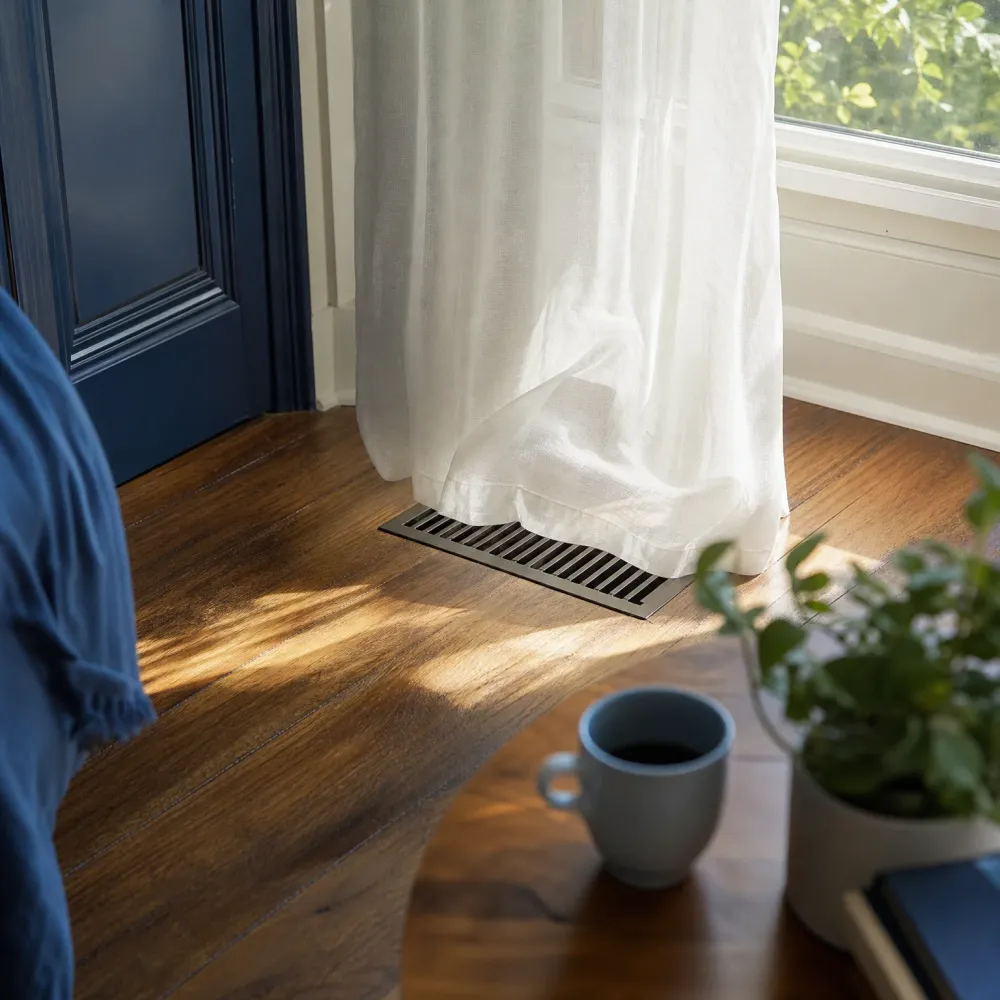
    A floor air vent set into dark hardwood flooring near a white curtain and window, with a gray mug of coffee on a wooden table and a potted green plant in the foreground.
  • Proven, simple, easy to get serviced

    Parts are easy to find and most repairs are routine. Getting one fixed rarely means waiting on a specialist.

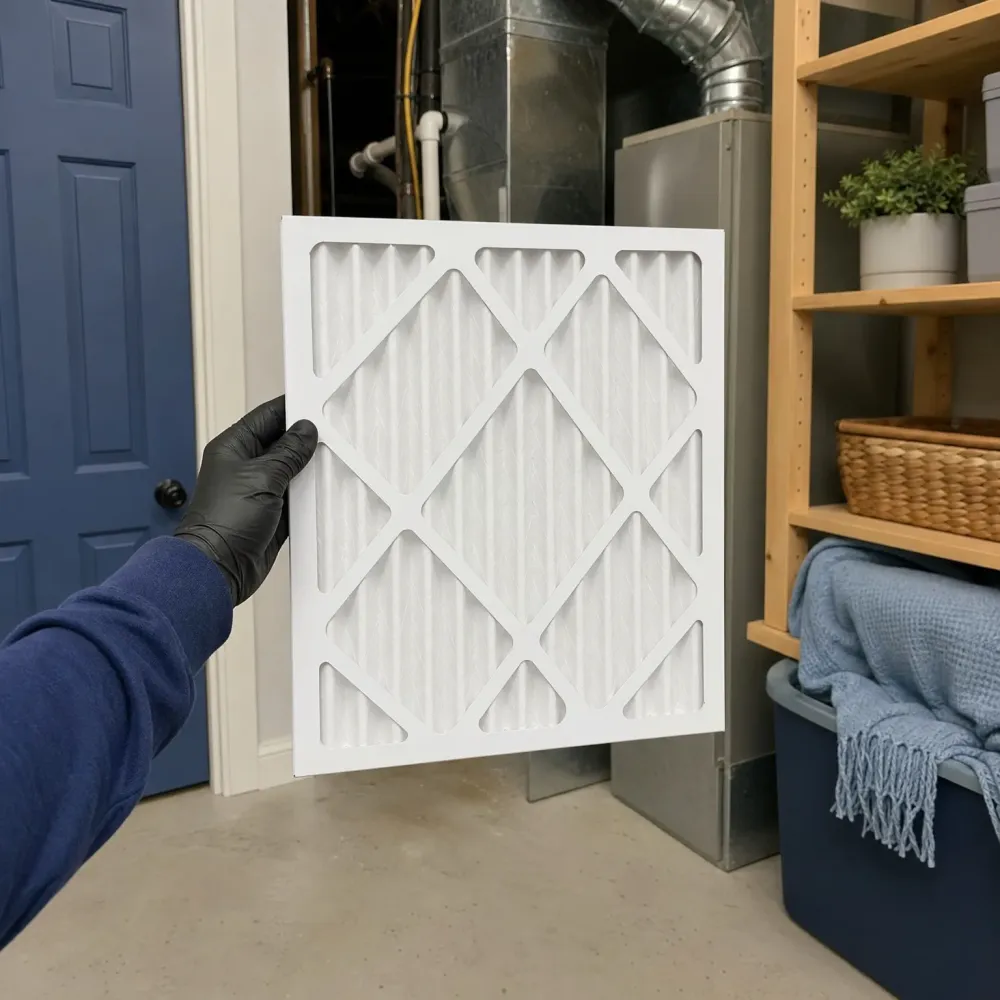
    A gloved hand holds a white pleated air filter in front of a furnace and ductwork in a utility area, with a blue door at left and wooden shelving holding a potted plant and basket at right.

Winters here are mild enough for a heat pump

Your heat only has to run about five months a year here, November through March, and most nights in that stretch stay above freezing. The overnight low averages 36°F across December, January and February. Out of the roughly 150 nights the heat runs, only about 45 drop to 32°F or below. That means better than two out of three nights all winter, a heat pump is working in its comfort zone, not fighting the cold.

A heat pump also costs less to run here. It makes the same heat as a gas furnace for about 15 percent less, $1.88 against $2.21 per 100,000 Btu, at Georgia's average electricity and gas prices. And it does not sit idle the rest of the year. The same system that heats your house in the winter cools it in the summer, which matters in Bibb County because the cooling season runs just as long as the heating season, May through September, with about 80 days a year hitting 90°F or above.

A furnace cannot do any of that. It only heats. For the seven months outside the heating season, it has nothing to do, and you still need a separate air conditioner to get through a Bibb County summer.
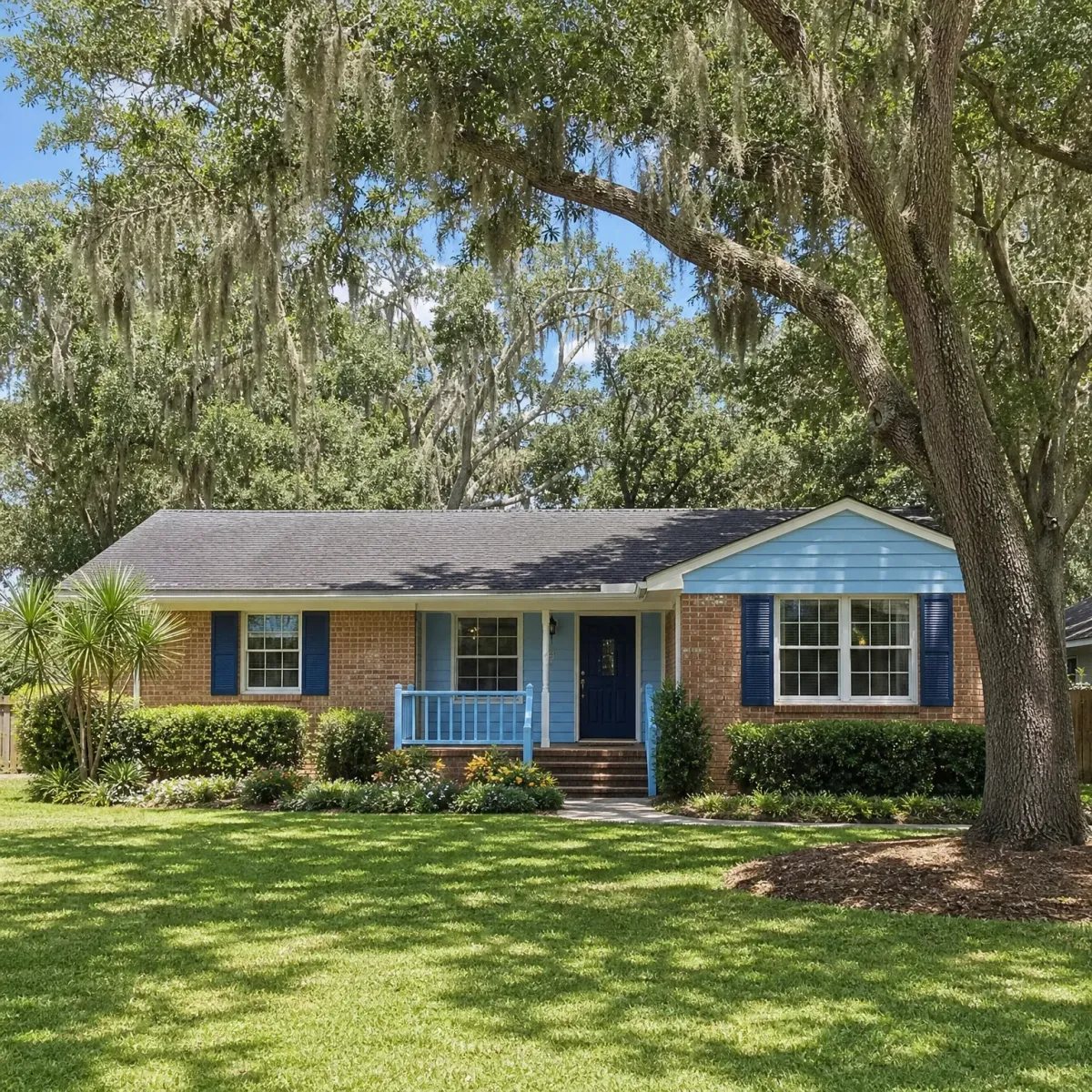
A single-story brick ranch house with blue shutters, a blue front door, light blue trim and a small porch, set behind a mown lawn with large moss-draped oak trees overhead.

Where a furnace still makes sense

None of that makes a furnace the wrong choice. About one in three homes here heat with utility gas, and a furnace gives you something a heat pump does not: heat that comes on strong and stays strong no matter how cold it gets outside. On the 45 or so nights a year that drop to freezing or below, a furnace does not have to work any harder to keep up. A heat pump does, and on the coldest nights it may lean on backup heat to hold the temperature, which this comparison's running-cost figures do not include.

If your house already has a gas line and ductwork sized for a furnace, pairing a new furnace with a separate central air conditioner is a proven setup, and it is easy to find a contractor who can service it. About two in three homes in Bibb County heat with electricity already, which is part of why the heat pump fits so many houses here, but if yours is one of the one in three on gas, staying with a furnace and a matched AC is not a step backward.

Half the homes in Bibb County were built in 1977 or earlier, so what you have running now, and whether it still matches your house, is worth checking before you decide. A heat pump costs less to run and covers both seasons with one system. A furnace trades that savings for stronger heat on the coldest nights and a simpler repair call. Which one wins for you comes down to what is already in your house and how much those 45 cold nights a year are worth paying extra for.

Sources: NOAA nClimDiv · NOAA 1991–2020 seasonal normals · Census ACS 2020–2024 · EIA SEDS 2024 · 10 CFR 430.32

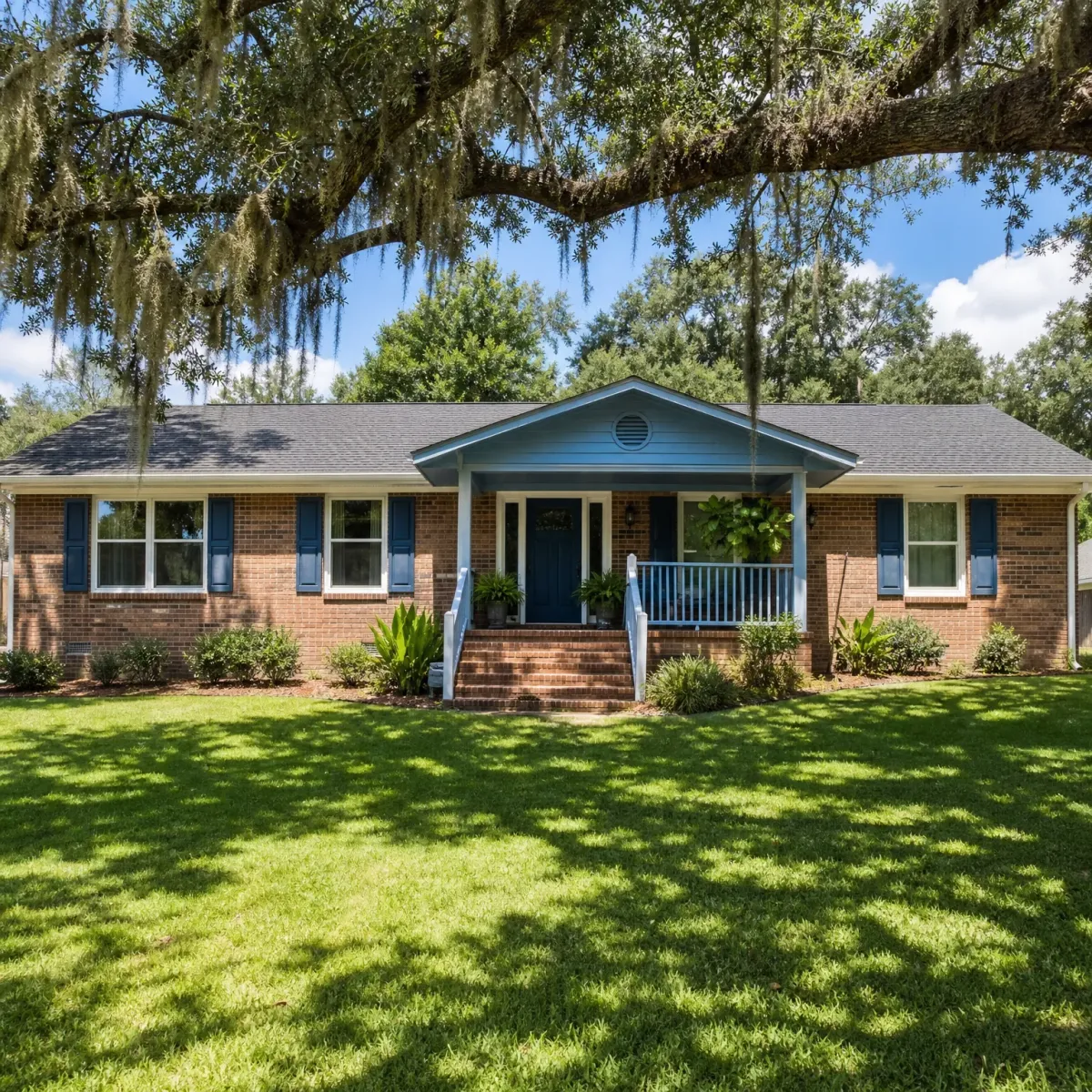
Single-story brick ranch house with blue shutters, a blue front door and gabled porch with railings, fronted by a mowed lawn and shaded by a large overhanging tree draped with Spanish moss.

Common questions about heat pumps and furnaces

  • Will a heat pump keep my house cool enough here?

    Yes. A heat pump is a central air conditioner in the summer, same as the AC half these homes already run, and it's built for a cooling season this length. Bibb County runs cooling about five months, May through September, and the heat pump covers that the same way any central AC would, including the 80 or so days a year that hit 90°F or hotter.

  • Can I keep my furnace and add a heat pump?

    Yes, and in a lot of houses that's exactly how it's done. The heat pump handles the mild stretches, and the furnace kicks in on the nights that drop to freezing or below, about 45 a year here. You get a heat pump's lower running cost most of the winter without losing the furnace's output on the coldest nights.

  • What if my house doesn't have a gas line?

    Without a gas line, the furnace burns propane or oil instead of natural gas, and both cost more per Btu than the gas prices this page's numbers are built on. A heat pump runs on electricity, which two out of three homes in Bibb County already use to heat, so it doesn't need a fuel line at all.

  • Is a heat pump cheaper to run than a furnace in Bibb County?

    Yes, for the heat it makes. At Georgia's average prices, a heat pump runs $1.88 per 100,000 Btu against $2.21 for a gas furnace, so it costs less to heat the same house. That's comparing both machines at their federal minimum efficiency, with nothing added for backup heat on the coldest nights.