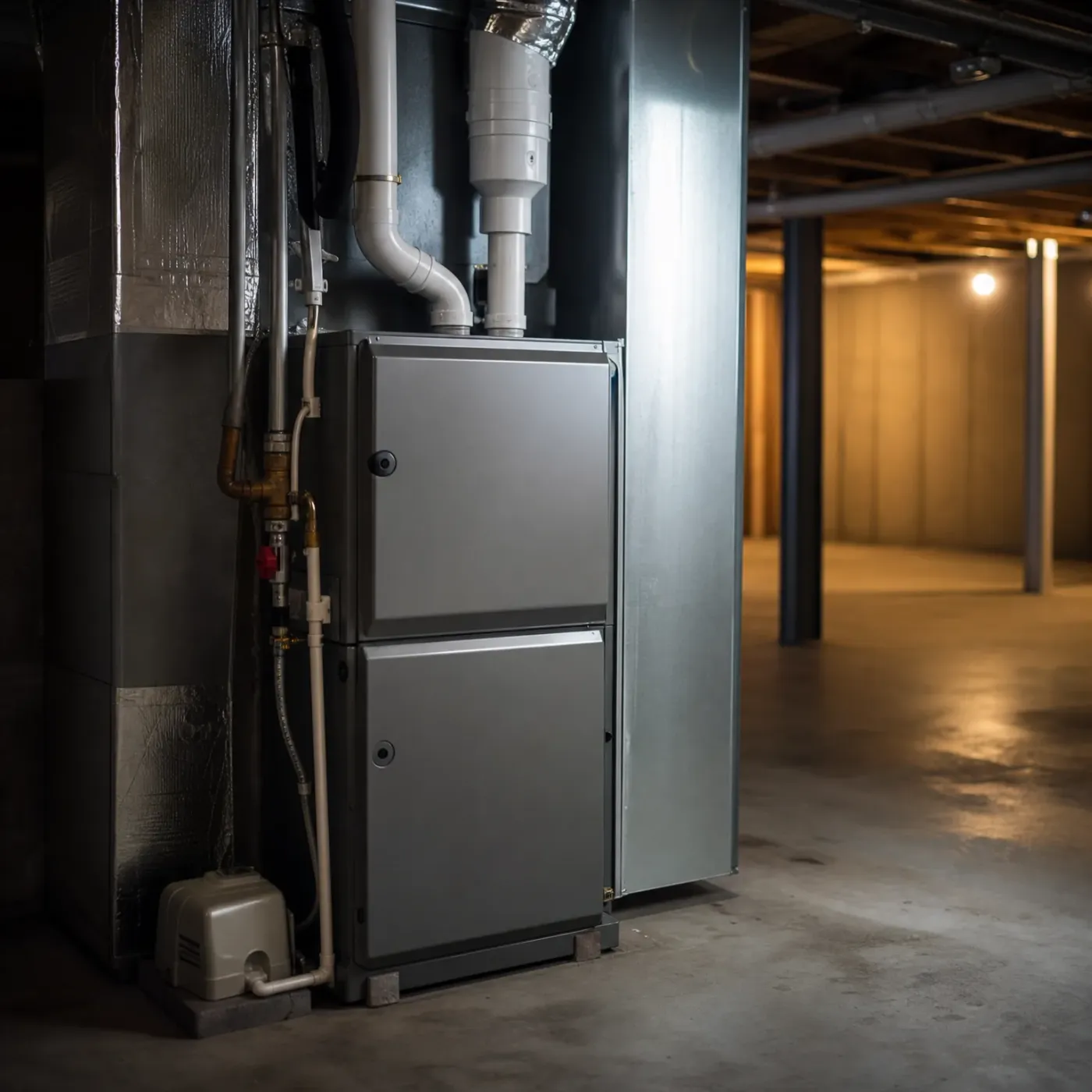
A furnace pro near you
Why your furnace makes a banging noise in Georgia
A bang when your furnace kicks on usually means something specific is wrong, not just old age. It could be the igniter lighting a delayed burst of gas instead of a clean flame, or ductwork popping as it heats up. Below is what causes it and when it's worth having someone look at your system.
Request a proA bang when your furnace fires up usually means gas is building up in the burner chamber for a second or two before it finally lights, then catching all at once instead of igniting clean. That delay is almost always a dirty or worn igniter, or a burner that needs cleaning. Most homes in Georgia heat with electric furnaces or heat pumps with electric backup, and those make a different kind of bang: a sharp pop or tick from the ductwork as it expands with the sudden heat, especially if the metal was cold from a night in the 30s or 40s. A duct popping once as the system starts is normal. A bang every single cycle, or one that's gotten louder over weeks, points to a real mechanical issue, either in the burner assembly or in the blower itself kicking on too hard. Left alone, a delayed ignition can scorch the burner or crack the heat exchanger over time, which turns a small fix into a much bigger one.




Most furnaces in Georgia run on electricity, which changes where a bang actually comes from. There's no burner chamber, so you can rule out gas buildup and a delayed ignition. What's left is metal. Ductwork runs cold overnight, then warm air hits it when the furnace kicks on, and sheet metal snaps back into shape with a pop you can hear near the vents. The blower matters too. If it jumps straight to full speed instead of easing into it, that rush of air can slam into a duct section and pop a loose seam. Electric heat strips do click as they heat up, but that's a smaller sound. A loud bang points somewhere else, usually a panel or joint that's worked loose over time. Since furnace and AC often share the same ducts, those joints get a full year of expanding and contracting instead of just a few months. Pay attention to where the sound comes from and whether it repeats at the same spot every time the furnace starts. That tells you which section of duct needs a look.
Why electric furnaces bang differently
- Most electric furnaces here don't use a burner at all, so a bang on startup usually points to ductwork, not gas.
- Sheet metal ducts contract overnight and snap back into shape when warm air hits them, which sounds like a bang near the vents.
- A blower that starts at full speed instead of ramping up can slam air into the ducts hard enough to pop a loose section.
- Heat strips in an electric furnace click as they warm up, but a loud bang usually means a panel or duct seam has worked loose.
- A furnace that shares ductwork with the AC can develop loose joints from the metal expanding and contracting all year.
- If the bang happens every time the furnace starts and comes from the same spot, that section of duct is the one to check first.


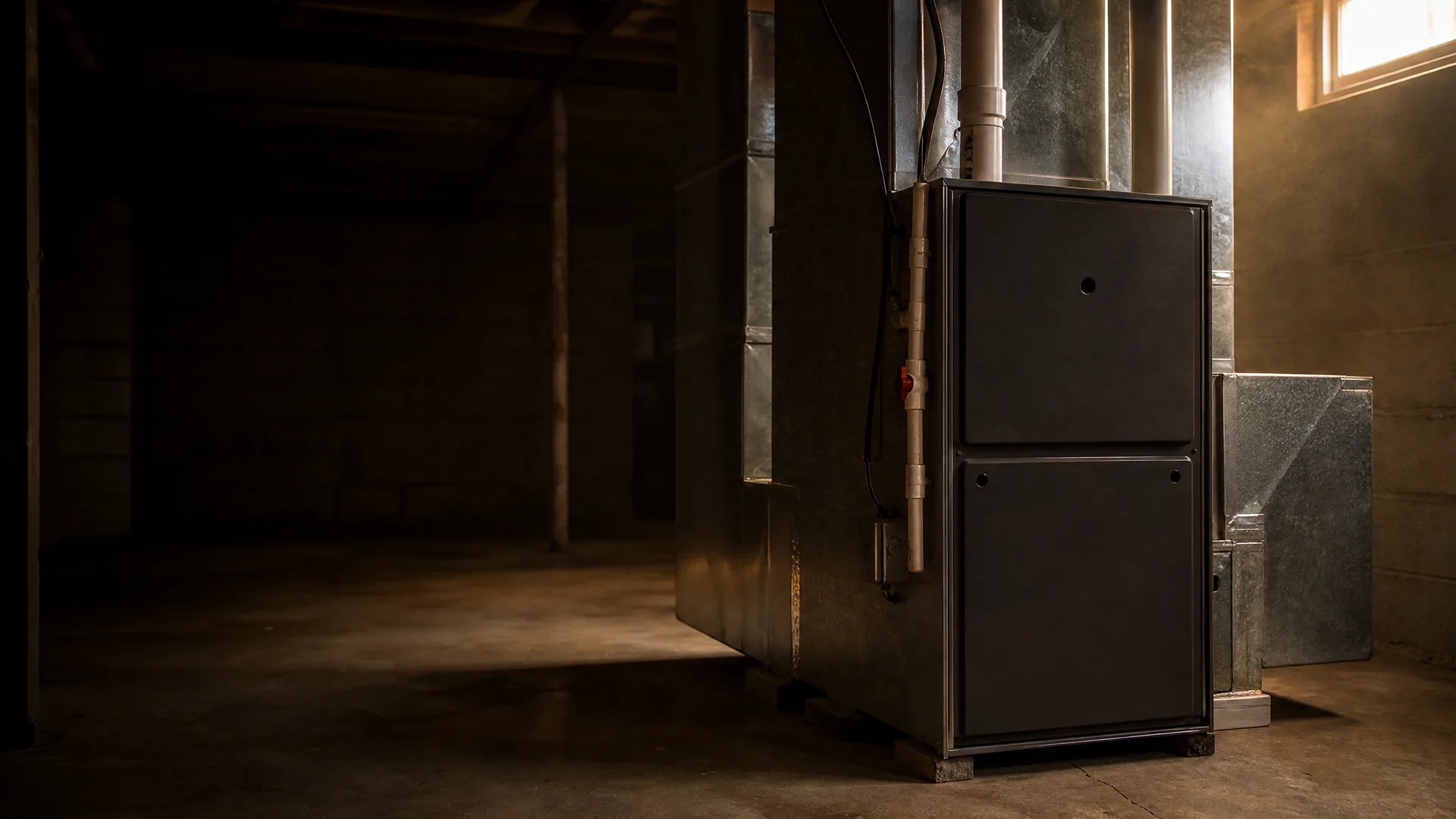
You're down in the basement around six, flipping the thermostat up before everyone else gets home. The furnace sits there dark, quiet, a little dust hanging in the air where the light catches it near the burner. You wait for the click and the rush of air. Instead there's a bang against the ductwork, sharp enough that you take a step back from the cabinet. It's November, it's already gotten cold the way it does once the sun's down, and the house needs heat tonight. You crouch down and look at the vents where they run along the joists, like something there could tell you what just happened, before you go back upstairs to think about who to call.
A local pro for your furnace repair
A bang that keeps showing up isn't something to watch for another month. If it's gas lighting late in the burner chamber, that same delay is hitting the heat exchanger every time the furnace fires, and that's the part you don't want to let wear on its own. Ductwork noise is less urgent, but it doesn't go away by itself either, and most homeowners can't tell from the basement which one they're dealing with. A contractor who works on furnaces around Georgia all winter has heard both and knows which parts tend to go first on the systems common here. Getting someone local who already knows what to check, rather than starting from scratch over the phone, means less guessing and fewer trips back out. You don't have to figure out which it is before reaching out. Send the request and let someone who does this every week take a look.
Why a delayed light damages the exchanger
When gas pools in the burner chamber and lights late, it catches with more force than a clean, steady flame. That small explosion happens right where the heat exchanger sits. Over time it can stress the metal, and a cracked exchanger is a bigger repair than the igniter or burner that caused the delay in the first place. This is why a bang on startup is worth having looked at instead of waiting to see if it goes away on its own. A furnace that lights clean every time doesn't put that stress on the exchanger at all.
Why ductwork bangs don't need gas
If your furnace is electric, there's no flame to light late, so the bang is coming from somewhere else. Sheet metal ductwork expands as warm air moves through it and contracts again once the furnace shuts off. A section that's slightly loose or a panel that isn't fastened down tight will pop audibly as it moves, especially near the vents closest to the unit. This kind of bang is mechanical, not combustion, and it tends to happen at the same point in the cycle every time, right as the air starts moving or right after it stops.
Winter nights average 36°F statewide
Nights here only drop to about 36°F on average in December and January, so your furnace isn't running long, hard stretches the way it would up north. It cycles on and off more than it runs steady, and that start-up moment is exactly when a bang from a late ignition or cold ductwork shows up.
NOAA nClimDiv 1991-2020 county normals weighted by homes
What That Bang Is Telling You
- A bang on startup almost always means late ignition in the burner chamber or ducts popping as they heat.
- Electric furnaces are most common in Georgia, so a startup bang more often points to ductwork than gas.
- A late-lighting burner hits the heat exchanger with more force each time, and that wear adds up over a season.
- Mild winter nights here mean short, frequent cycles, so that startup moment happens often.
- A furnace with a sound burner and properly matched ducts fires without a bang.
- Rust on the cabinet or aging ducts can mean the metal has already warped enough to pop.
A bang when your furnace starts has a cause, and by now you have a good idea which one fits your system. If you're running electric heat, which most homes here are, look to the ductwork first. Sheet metal flexes as it cools overnight and warms back up fast when the blower kicks on, and that movement is what you're hearing near the vents, not something failing inside the unit. If you've got a gas furnace, the sound points the other way, to the burner chamber, where gas is pooling for a moment before it catches instead of lighting clean the instant the igniter fires. That delay matters more than it sounds like it should. Every time it happens, the heat exchanger takes a small hit of force it wasn't built to absorb from a steady flame, and winter here gives it plenty of chances to repeat. Nights rarely drop much below the mid-30s, so your furnace isn't settling into long, steady runs. It's cycling on and off all night, and each start is another moment for that bang to show up. A furnace with a sound burner and ducts that fit the system runs through that same cycle without a sound. If yours doesn't, and especially if there's rust on the cabinet or the ducts have some age on them, the metal may already be worn enough that this keeps happening until someone looks at what's actually loose, warped, or lighting late.


Furnace Repair
Get the right pro for your furnace
Your request stays with one local pro.
