
Furnace keeps shutting off in Rome, GA

RepairFurnace or heatingFloyd County, GA
Step 1 of 2

What ZIP code is the job in?

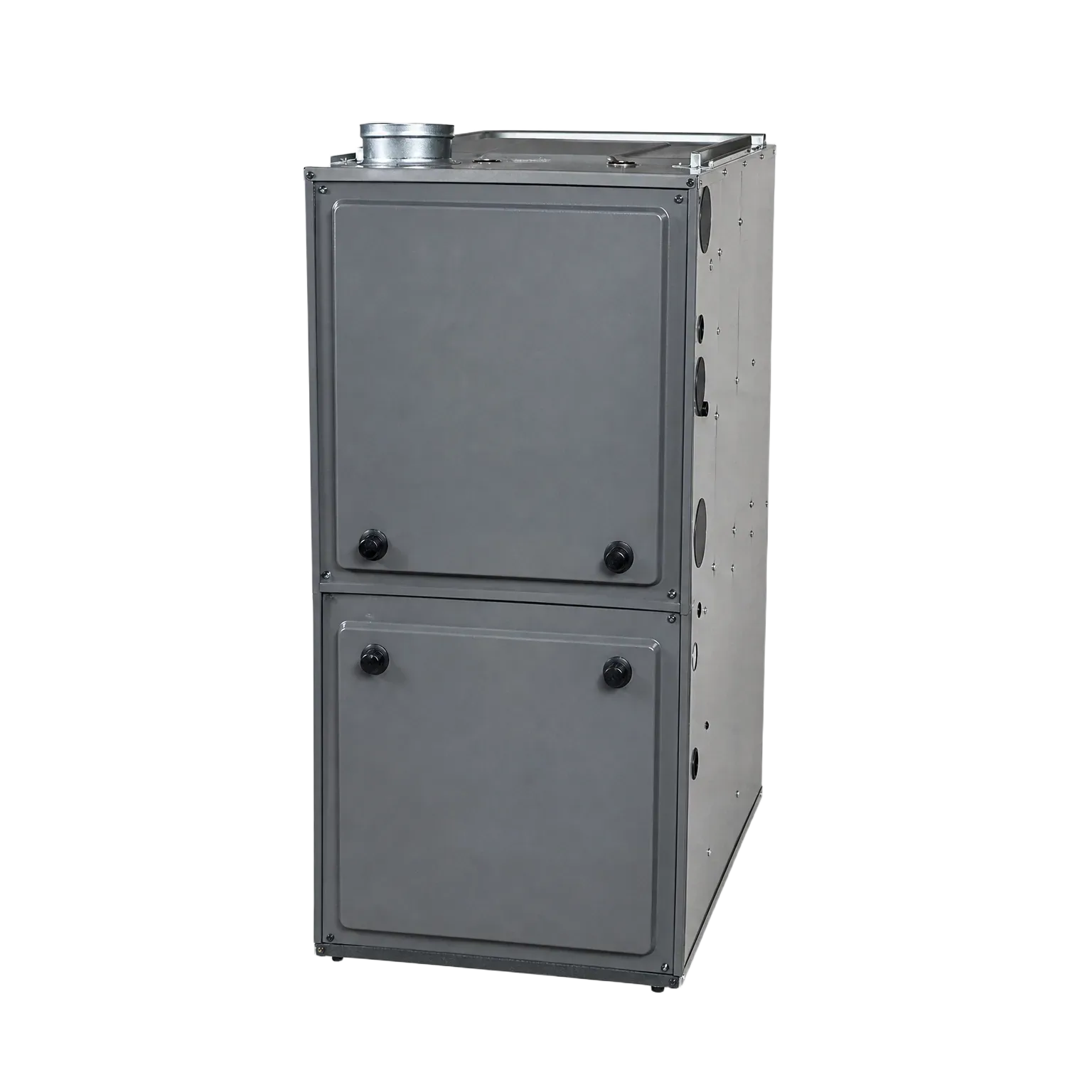
A furnace that keeps shutting off is almost always protecting itself from something. Most often it's a dirty flame sensor, a clogged filter choking airflow, or a limit switch tripping because the system is overheating inside. Each of these tells the furnace to stop rather than keep running into a bigger problem, so shutting off is the symptom, not the real issue. With winter here in Floyd County staying cold for months, a furnace that cycles off every few minutes isn't resting between runs, it's failing to finish a heating cycle, and the house will cool back down before it fires again. Short cycling also wears the ignition system and blower harder than a normal run would, since the furnace restarts far more often than it should. Left alone, the part causing it tends to fail the rest of the way, usually on a night when the house needs the heat most.

A gray high-efficiency furnace with white PVC vent pipes stands against a concrete basement wall beside sheet-metal ductwork, a small condensate pump on the floor, and exposed wood framing at left.

Furnace running right

A furnace that's cycling normally fires up, runs until the house reaches the set temperature, and shuts off on its own. The flame stays lit the whole time. Air keeps moving through the ductwork steadily, and you won't hear it clicking off a few minutes after it starts.


A gray sheet-metal furnace with flue pipe and adjacent ductwork stands against a stone basement wall on a concrete floor, with white PVC and metal pipes running nearby.

Furnace shutting off early

If the furnace fires, runs a short while, then quits well before the house warms up, something inside is telling it to stop. A dirty flame sensor, a blocked filter, or a limit switch reacting to heat buildup are common reasons. Older units with corroded lines or aging connections tend to show this more.

Why does a furnace that keeps shutting off matter so much here?

  • Winter nights average 34°F

    Overnight lows average 34°F through December, January and February, so a furnace that quits on a short cycle is losing ground fast in a house full of people trying to stay warm.

  • Heat runs October through April

    Heat runs here from October through April, about seven months a year. A furnace that keeps tripping off is a problem you'll live with most of the year, not a one-time fix.

  • 55.1% of homes heat with electricity

    More than half of homes in Floyd County, 55.1%, heat with electricity. If your furnace is electric, a short cycle often points to the limit switch or a motor losing power, not a gas part.

NOAA nClimDiv 1991-2020 · ACS 2020-2024

Why the flame sensor gets blamed first

The flame sensor is a thin metal rod that sits in the burner flame and tells the control board the burner actually lit. A film of soot builds up on it over time, and once that film is thick enough the sensor can't read the flame anymore. The board waits a few seconds, doesn't get a signal, and cuts the gas to avoid a dangerous leak. That's the furnace doing exactly what it's supposed to do. It's also why a furnace can run fine for a day and then start short cycling again without anyone touching it.

What a dirty filter does to the limit switch

The limit switch is a safety device that reads the temperature inside the furnace cabinet. When a filter is packed with dust, less air moves across the heat exchanger, and the heat that would normally leave through the ductwork stays trapped inside the unit. The cabinet gets hotter than it should, the limit switch trips, and the burner shuts off even though the house hasn't reached the thermostat setting. Once the furnace cools down, the switch resets and it fires again, which is why this kind of shutoff tends to repeat every few minutes rather than happen once.

A woman in a mustard knit sweater sits on a light-colored sofa indoors, looking toward a bright window, with a potted fiddle-leaf fig plant behind her.
A woman with long brown hair in a cream knit turtleneck sweater sits on a light sofa indoors, looking off to the side, with a shelf of plants and pottery blurred behind her.
A woman with long brown hair in a dark red knit sweater sits on a gray couch with cushions, smiling and looking off to the side, with a window and indoor plant behind her.
A woman with long dark hair in a cream knit sweater sits on a sofa indoors, smiling and looking off to the side, with a blurred room, hanging light bulb and window behind her.

What a short-cycling furnace costs you

A furnace that fires up and quits before the house warms runs its blower and igniter over and over, and that start-stop pattern wears those parts faster than a furnace that runs a full cycle and shuts off clean. You'll likely see it on the gas bill too, since a burner that keeps relighting burns gas to heat metal that never gets to stay hot long enough to heat the air well. Meanwhile the rooms farthest from the furnace stay cold even though the thermostat reads close to the set point, because short bursts of warm air never fully push through the ductwork before the system quits again.

What it risks if it waits

A limit switch or flame sensor tripping once in a while is the furnace doing its job. A furnace that won't stay running at all, especially overnight when it's in the 30s, means the people in the house are relying on whatever heat already built up in the walls and furniture, and that runs out. If the shutoffs come from a cracked heat exchanger, the furnace is right to quit every time, and running it anyway risks pushing combustion gases into the house instead of out the vent. That's not a part to wait on or try to reset past, in Rome or anywhere else.

A metal furnace with louvered panels stands against a concrete basement wall, connected to sheet-metal ductwork and a round flue pipe, with wooden framing posts and a pipe nearby.
Before you get your furnace repair
A gray gas furnace stands on a concrete basement floor, connected to sheet-metal ductwork, white PVC vent pipes, and a yellow gas line, with plastic sheeting covering the walls.
After you get your furnace repair

A local pro for your furnace repair

Get the furnace repair search off your mind today.

Sending the form costs nothing.

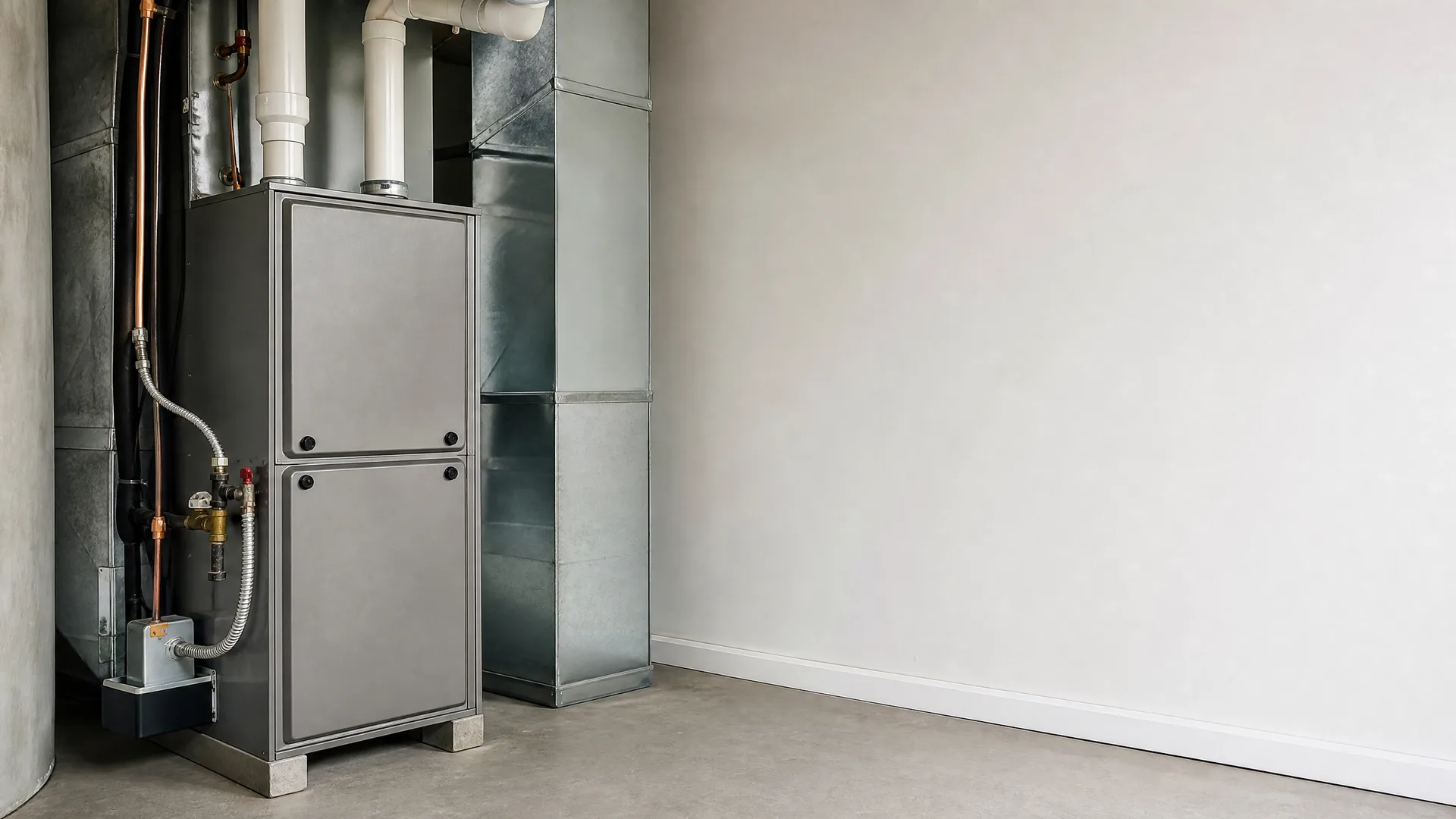
A gray high-efficiency furnace with white PVC vent pipes, copper and flexible piping, and galvanized sheet-metal ductwork stands against a wall in a room with a bare concrete floor and plain light-colored wall.

Letting it keep shutting off

Every short cycle is the furnace tripping a safety switch and starting cold again. The igniter has to glow and catch the gas fresh each time, and that's the hardest moment on the part. Keep running it this way through a Floyd County winter and you're asking the igniter and the blower motor to do that over and over, night after night, until one of them gives out instead of just the flame sensor that started it.

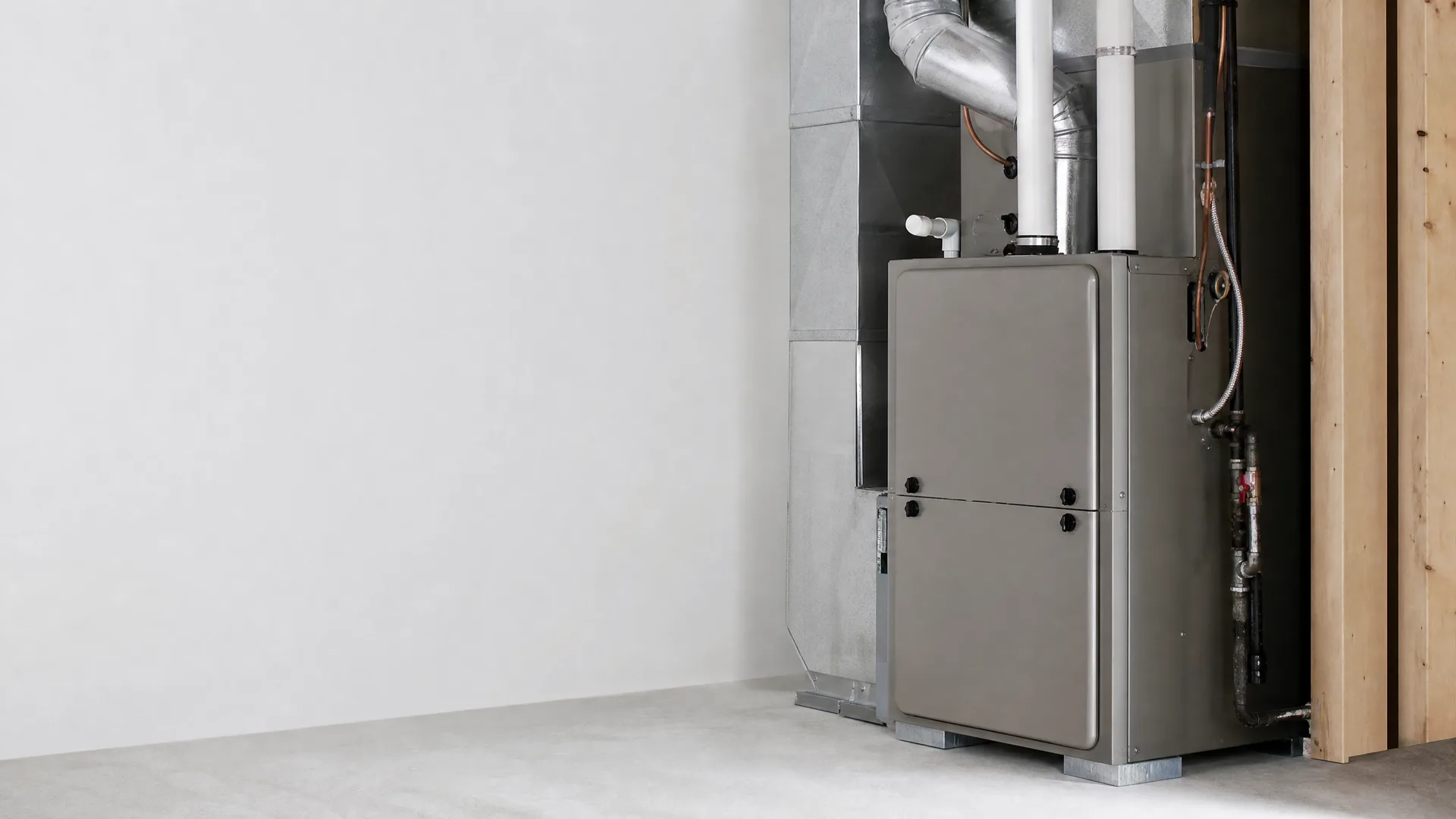
A gray residential furnace with attached sheet-metal ductwork, white PVC vent pipes and copper lines stands against a plain white wall on a concrete floor, beside exposed wooden framing.

Getting it looked at now

A technician can trace the shutoff to its actual cause, whether that's the flame sensor, a clogged filter, or a limit switch reacting to heat buildup inside the cabinet. Once that part is cleaned, replaced, or the airflow problem behind it is fixed, the furnace runs its full cycle and shuts off the normal way. The rest of the system, the igniter and blower included, stops absorbing the wear that short cycling was putting on it.

Why does my furnace shut off after only a few minutes?

You turn the thermostat up, hear the furnace fire, and a few minutes later it's quiet again. The house never gets warm, and it repeats the same pattern every time it runs. You want to know what's actually happening inside the unit when it cuts out that fast, not just that something's wrong.

It's shutting down a safety switch, not just losing power

A furnace that runs a few minutes and stops has tripped something inside, usually the flame sensor losing its signal or the limit switch sensing too much heat built up near the heat exchanger. The control board is built to read that as danger and cut the gas valve rather than let the burner keep running. That's why it goes quiet instead of struggling along. In a Floyd County winter with overnight lows near freezing, a furnace doing this can run through several short cycles in an hour and still leave the house cold, because each cycle ends before the air moving through the ducts has time to carry real heat to the rooms.

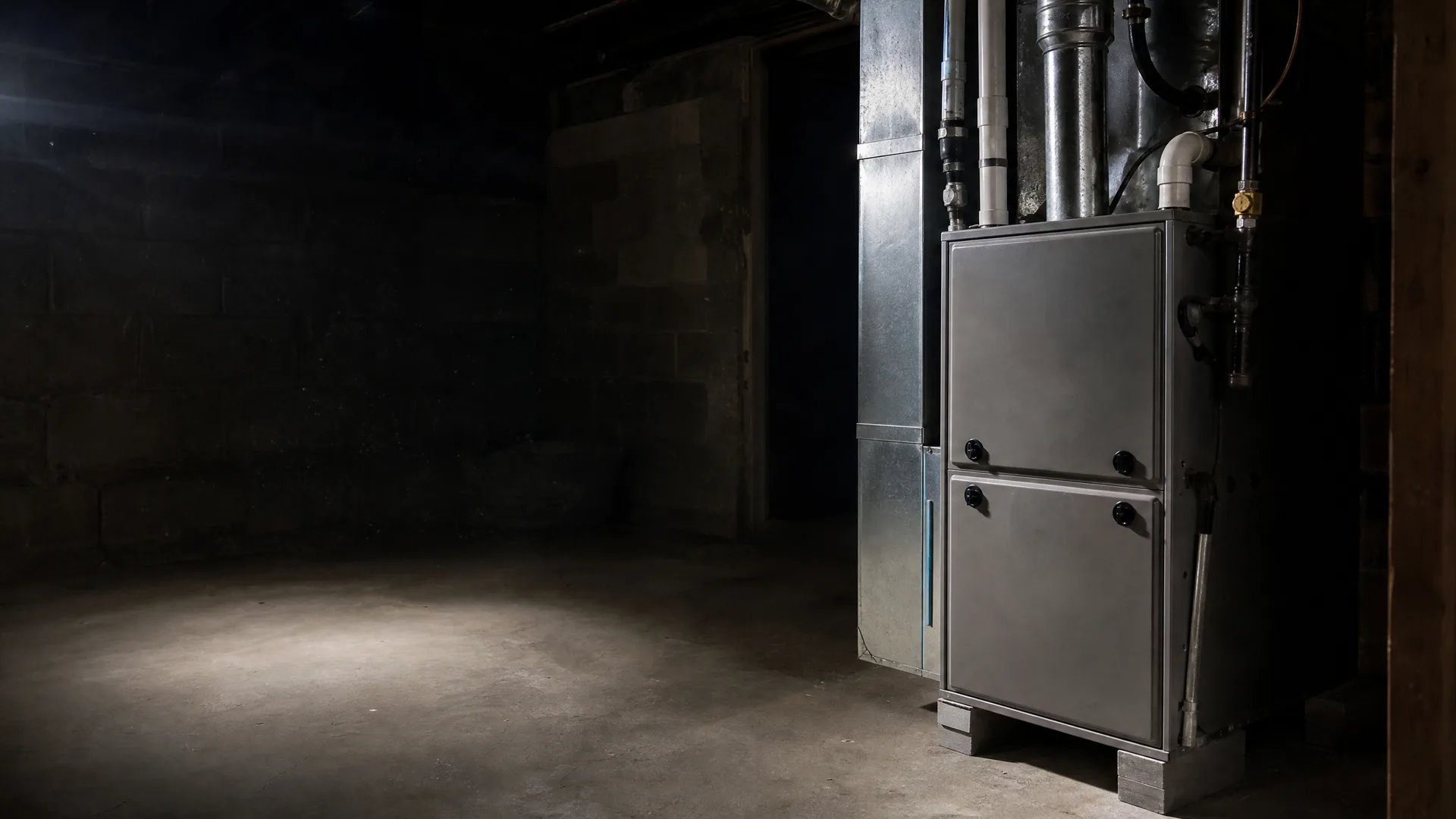
A gray furnace with ductwork and pipes stands against the wall of a dim concrete-block basement with a bare concrete floor lit by a single light.

The thermostat reads sixty-two and it's not climbing. You go down to the basement to check on the furnace and find it dark, the burners cold, not even a hum from the blower. It's a little after six, already black outside, the kind of November evening where the temperature outside is dropping into the thirties. A thin haze of dust hangs in the air near the cabinet, stirred up from the last time it kicked on and quit. You crouch by the access panel and listen for a click that doesn't come. Upstairs someone asks if it's fixed yet. You don't have an answer, just a cold furnace and a house that's about to feel it.

Winter nights average 34°F

A 34°F night doesn't give your furnace a break to recover from short cycling. It has to run long stretches to hold the house steady, and a unit that keeps quitting early never gets there, so the rooms farthest from the furnace feel it first.

NOAA nClimDiv 1991-2020

A gray high-efficiency furnace in a basement with sheet-metal ductwork, white PVC vent pipes, metal plumbing lines, a condensate pump on the floor, and a window showing green trees outside.
A furnace firing clean draws air through a dusty filter at its own pace, and the flame holds steady until the house hits temperature.
An older metal furnace with PVC and metal pipes stands on a concrete basement floor beside galvanized ductwork, with wooden stairs and a water tank in the background.
A furnace caked in dust and crowded by its own gas and condensate lines is working harder to breathe, and harder parts fail first.

Call Now or Watch It

Call someone now

  • A furnace tripping its limit switch on a 34°F night can leave the house colder than it started by morning if nobody steps in.
  • A cracked heat exchanger throws carbon monoxide into the air you breathe, and that risk doesn't wait for a convenient weekend.
  • Every short cycle strains the igniter and the blower motor a little more, so the part that finally fails costs more to replace the longer it's pushed.
  • A flame sensor caked in soot or a filter choking the airflow are both quick fixes for someone who knows the furnace, and both get worse left alone.
  • If the furnace won't stay lit at all, the house has no heat source until a contractor gets it running again.

Watch it a cycle or two

  • If the furnace just started this during a stretch of unusually warm days, a thermostat set too close to the room temperature can cause short cycling on its own.
  • A filter changed within the last few weeks rules out the most common cause, so there's less urgency to call right away.
  • A single short cycle during a cold snap, with the furnace otherwise heating the house fine, may just be the system catching up to a big swing in temperature.
  • Watching it means checking whether the flame stays lit, whether the blower keeps moving air, and how many times it shuts off in an hour.
  • Waiting only makes sense if nobody in the house is depending on that heat to stay comfortable through a 34°F night.
An older woman in a cream knit sweater smiles while looking off-camera in a warmly lit kitchen, with a round loaf of bread on a wooden board in the foreground and a dark window behind her.
A woman with her hair in a bun holds a sleeping child against her chest on a couch, both wrapped in a knit blanket, with a lit lamp, potted plant and framed picture in the background.
A woman in a long cream cardigan and jeans stands at an open wooden front door of a gray shingled house with stone-based porch columns, with a second person visible inside, and potted flowers and shrubs beside the entry.

A furnace that keeps shutting off is telling you something

A dirty flame sensor, a clogged filter, a limit switch tripping on overheated air. Whatever's behind it, the furnace is protecting itself, and it will keep doing this until the part causing it gets fixed. It won't wear out of it on its own, and on a 34°F night in Floyd County, waiting it out isn't really an option.

Once you've got a contractor who knows these furnaces lined up to call you, you're not the one tracking down who's available or chasing a callback. That part is off your plate. Someone who handles this kind of repair reaches out, hears what the furnace is doing, and takes it from there.

A mug and a small round vase sit on a wooden windowsill beside sheer and heavier curtains, with blurred autumn trees seen through the rain-speckled window and a sofa with cushions and a throw in the foreground.
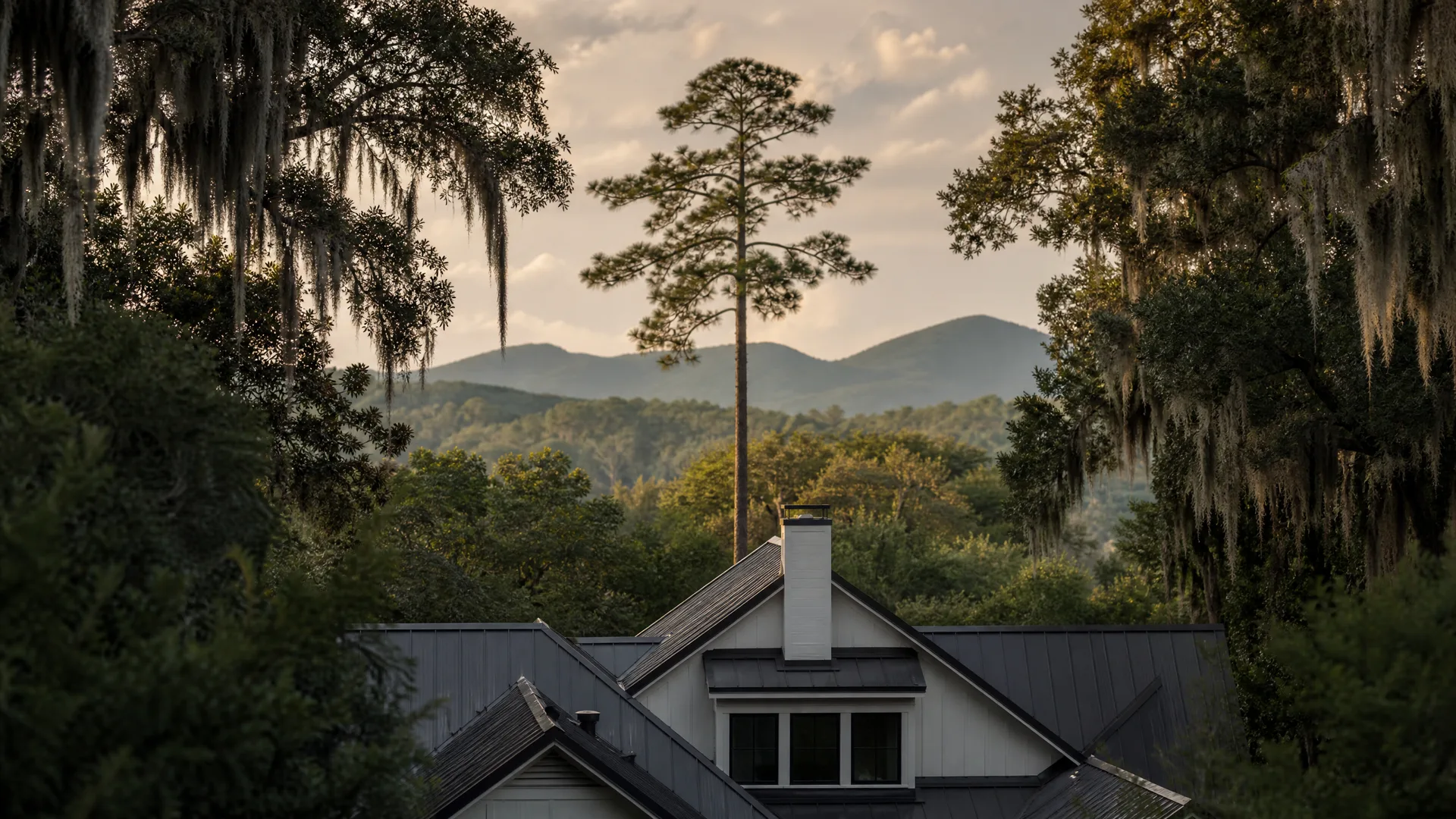
A white gabled house with a dark metal roof and chimney seen among dense trees draped with Spanish moss, with a tall pine and layered hazy mountain ridges in the background under a pale cloudy sky.

Get the right pro for your furnace

Get a furnace pro

You're not committing to anything by asking.

A furnace that keeps tripping its switch isn't going to fix itself by morning. Send the request and a contractor who covers Rome reaches out to you directly. One call gets the part diagnosed instead of you guessing at it through another cold night.