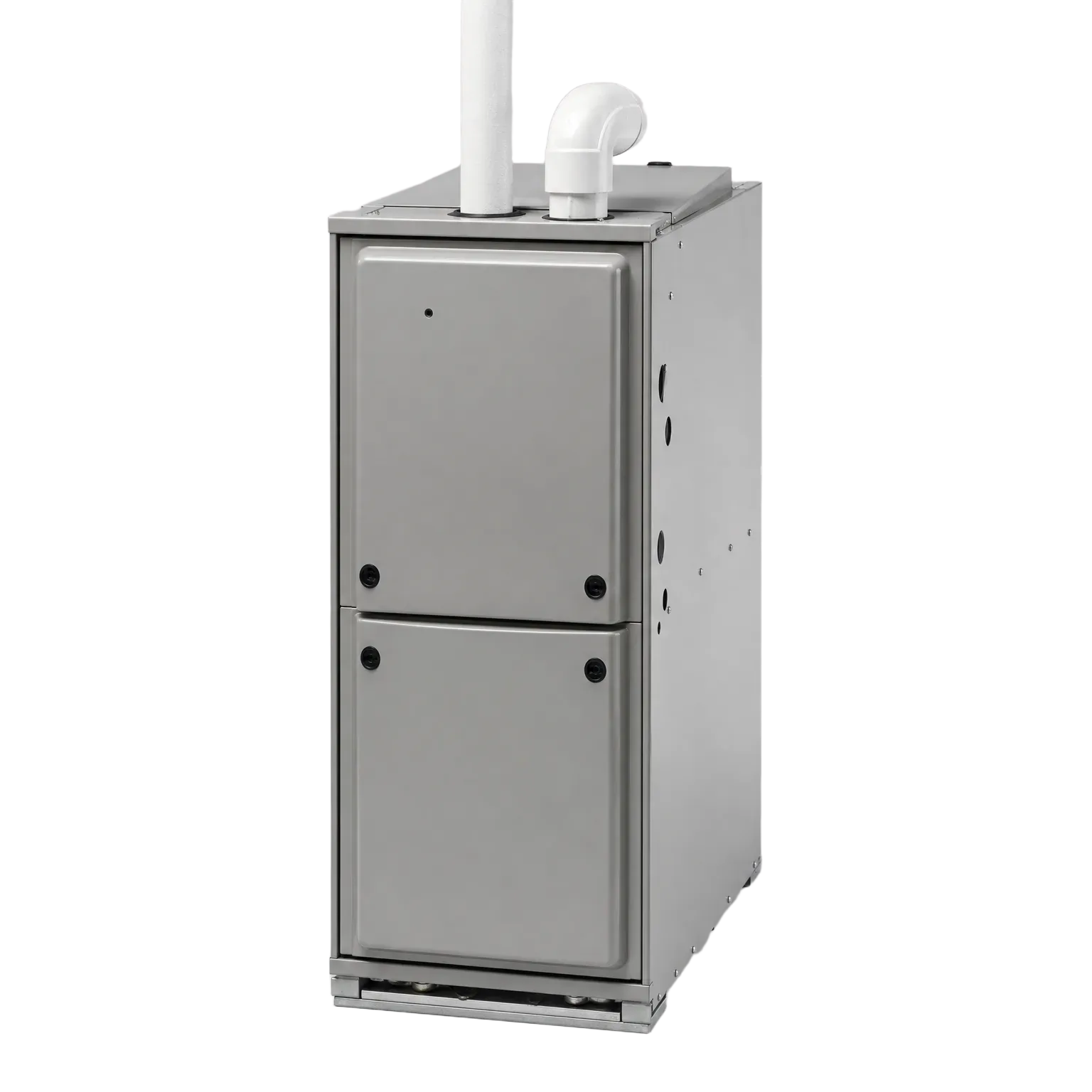
Furnace blowing cold air in Rome, GA

RepairFurnace or heatingFloyd County, GA
Step 1 of 2

What ZIP code is the job in?

If your furnace is blowing cold air, the burners aren't lighting or the blower is running without heat behind it. In a gas furnace, that usually means the igniter has failed, the flame sensor is dirty, or gas isn't reaching the burners. In an electric furnace, a failed heating element can leave the blower pushing room-temperature air through the vents. Sometimes it's simpler: the thermostat fan is set to "on" instead of "auto," so the blower runs constantly and only feels cold between heat cycles. With winters here in Floyd County getting genuinely cold, a furnace stuck blowing cold air won't keep a house comfortable for long, and the same parts that fail once tend to fail again if they're only patched. A furnace technician can check the igniter, the sensor, the gas valve, or the element and tell you which one is the problem, usually within the same visit.

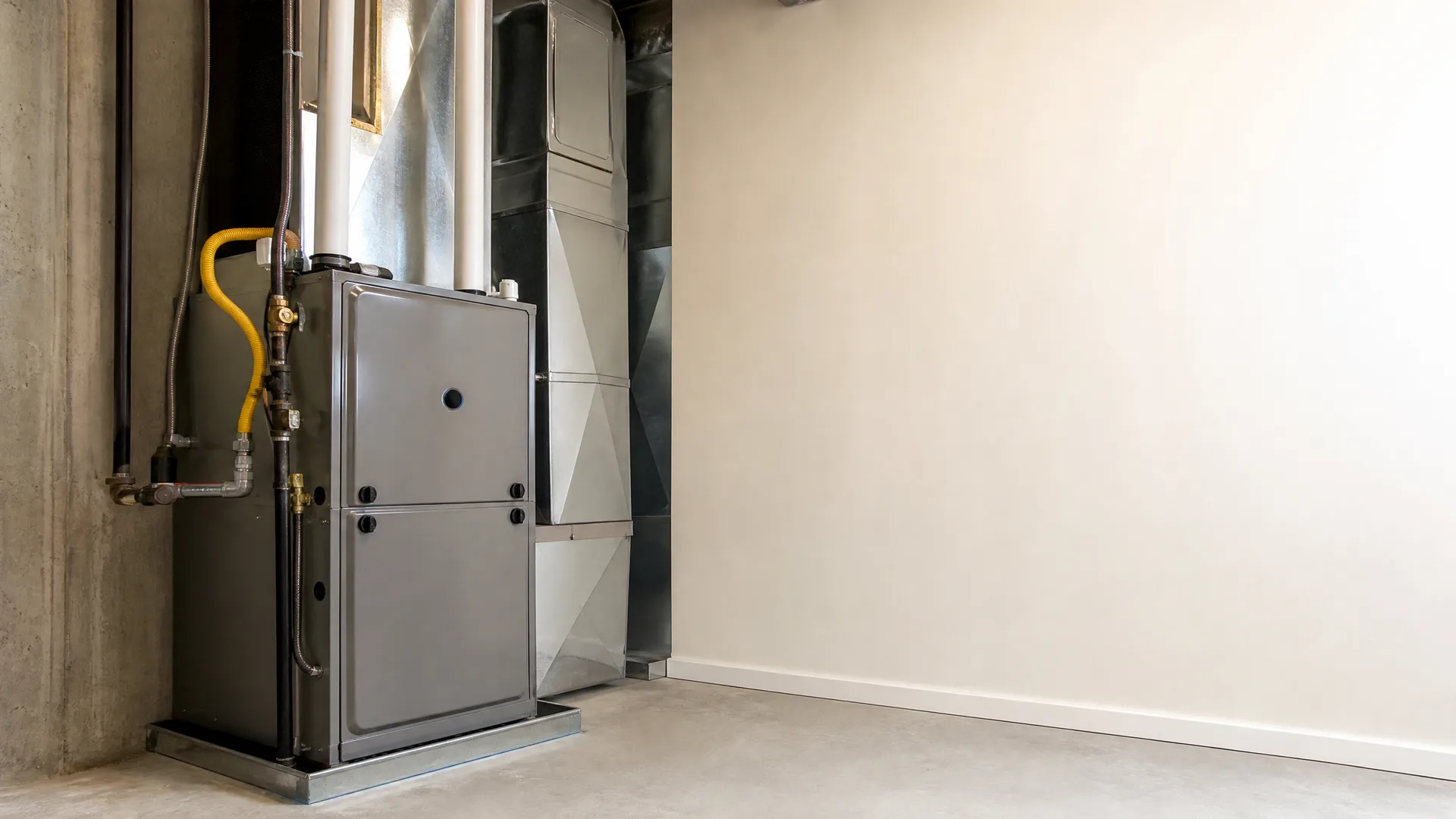
A gray furnace with sheet-metal ductwork, PVC vent pipes and a yellow gas line stands on a concrete basement floor beside wooden stair framing.

Furnace heating normally

Burners light, the blower kicks on a few seconds later, and the air coming out of your vents is warm within a minute or two. The flame stays steady and blue, and the furnace runs its full cycle before shutting off on its own.

An older gas furnace with a louvered front panel stands on a concrete basement floor beside galvanized sheet-metal ductwork, a metal flue pipe, gas piping and a flexible conduit along a concrete wall.

Furnace blowing cold air

The blower is running but no heat is coming with it. You might hear the igniter click without any burners catching, or the furnace short-cycles, coming on and shutting off again within a minute or two. Either way, the air at the vents stays cold.

Why does a stuck furnace mean a cold house fast in Rome?

  • Winter nights average 34°F

    Winter nights here average 34°F, so once the blower runs without heat, the house loses ground quick.

  • Heat runs October through April

    Heat runs October through April here, about seven months, which is a long stretch to be without a working furnace.

  • 55.1% of homes heat with electricity

    55.1% of homes in Floyd County heat with electricity, and a stuck electric furnace leaves no backup burner to fall back on.

NOAA nClimDiv 1991-2020 · ACS 2020-2024

Gas furnaces fail at the igniter first

Most gas furnace no-heat calls in Floyd County come down to the igniter. It's a small part, and it wears out from being heated and cooled every cycle. When it cracks or weakens, it can't get hot enough to light the burners, so the blower still runs on schedule but there's no flame behind it. A flame sensor coated in residue causes the same result, shutting the burners down seconds after they light as a safety response. Both parts are routine to test and replace, and neither failure means the rest of the furnace is in trouble.

Electric furnaces fail at the heating elements

Most homes in Floyd County heat with electricity, and an electric furnace makes heat with a set of heating elements instead of a burner. If one element burns out, the blower still pushes air through the house, but that air comes out cold or barely warm since fewer elements are working. A tripped limit switch does something similar, cutting power to the elements while leaving the blower running. Either way, the fan moving air is not proof the furnace is heating. It only means the motor side of the system still works.

A woman in a gray sweatshirt with her hair pinned up sits in a living room looking off to the side, with a pale sectional sofa, cushions, a potted plant, framed wall art and a large window behind her.
A woman with long wavy brown hair in a gray top and dark cardigan stands near a window, looking to the side, with a living room, fireplace and round mirror blurred behind her.
A woman with curly dark hair in a grey long-sleeved top sits on a grey couch with patterned cushions, looking off to the side in a softly lit living room.
A woman in a gray knit sweater with her hair in a bun sits on a couch indoors, smiling and looking off to the side, with a dining area and framed picture blurred in the background.

34°F outside tonight

That's the average low here in winter. Once your furnace stops putting out heat, the house starts tracking toward that number instead of 68.

Get a licensed local pro

Most homes here heat with electricity

If your electric furnace has heat but no fan, or power but no heat, a local contractor who works on these year-round can usually narrow it down fast.

Get a licensed local pro

Call Now or Wait It Out

Call for repair now

  • A cracked igniter or dirty flame sensor won't fix itself, and the house keeps losing ground toward that 34°F overnight low.
  • A licensed local contractor who works on furnaces all winter in Floyd County can usually tell what failed from the symptoms before touching the unit.
  • Waiting through another cold night with a blower running no heat means more hours at the wrong temperature, not fewer.
  • One contractor takes the call instead of several, so you're not fielding a round of competing estimates while the house is cold.
  • If gas isn't reaching the burners, that's a safety issue as well as a comfort one, not something to leave for later.
  • A furnace that's short-cycling or tripping its limit switch repeatedly can wear harder on the parts around it the longer it runs that way.

Wait and watch

  • If the blower just started running without heat in the last few minutes, the furnace may still be mid-cycle and catch up on its own.
  • A breaker that tripped once might hold if you reset it, and the furnace may fire normally on the next call for heat.
  • Checking the thermostat setting and batteries costs nothing and rules out the simplest explanation before anything else.
  • If only one room feels cold while the rest of the house is warm, that may be a vent or duct issue rather than the furnace itself.
  • A furnace that ran fine yesterday and is only now acting up might be reacting to a sudden cold snap rather than a failed part.
  • Waiting makes sense for an hour or two, but not through a night when the house is already tracking toward the outside temperature.
A gray high-efficiency furnace in a basement with PVC venting pipes, a yellow gas line, metal ductwork, concrete walls and floor, and a wood-framed stairway at left.

Furnace running right

A two-stage gas furnace like this fires its burners, and the blower pushes warm air through the plenum into the ductwork. The PVC flue carries exhaust out, and the gas line stays sealed and steady. Nothing here should smell or rattle.

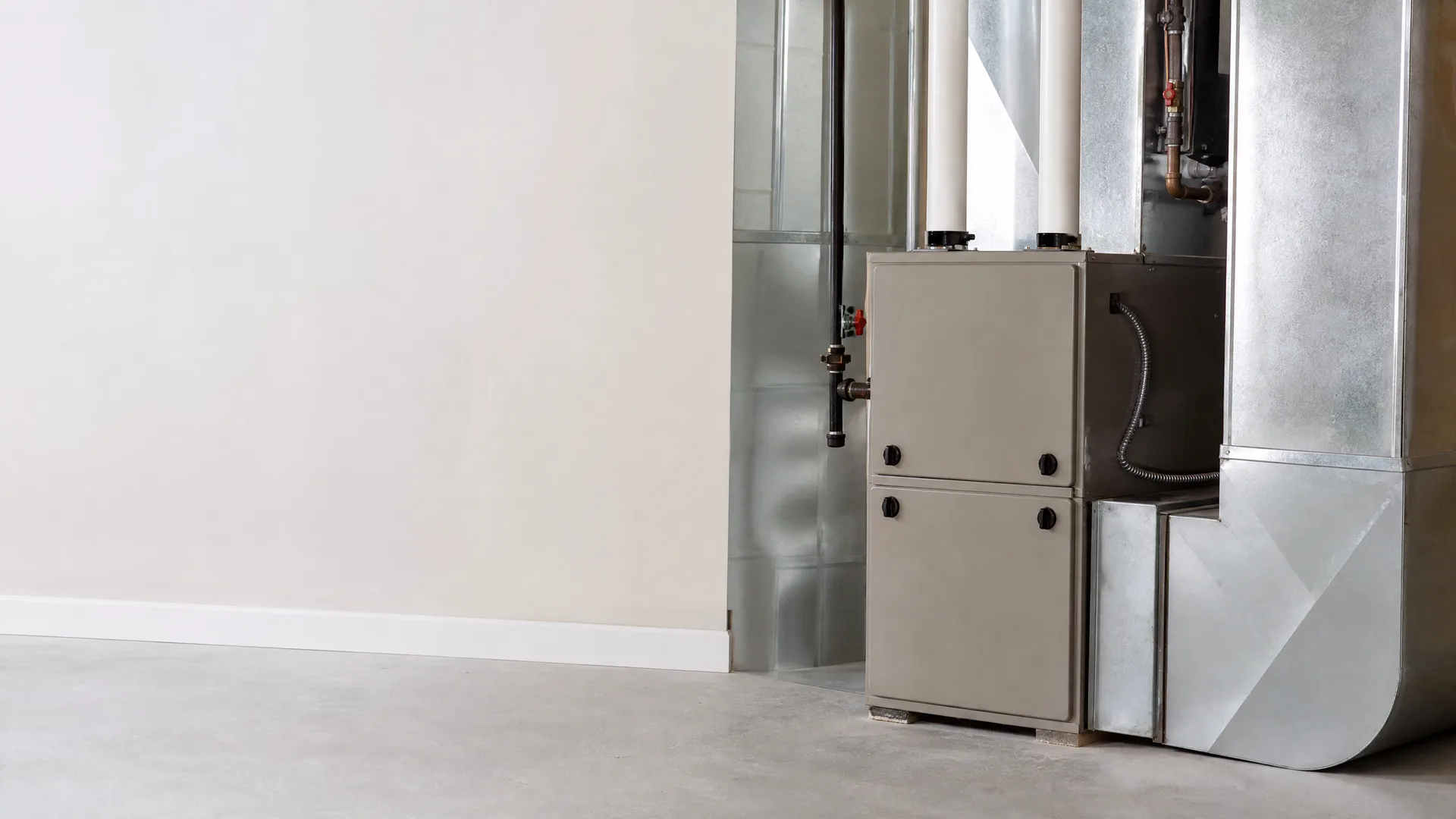
A beige furnace with a louvered front panel and metal ductwork stands on a concrete basement floor beside pipes and a white cylindrical water heater.

Furnace in trouble

An older furnace like this can still run the blower even after the burners quit lighting. Air moves through the ducts but it's room temperature or colder. Check the flame through the viewport. If it's not lit, gas isn't reaching the burners or the igniter has failed.

What are you noticing in your own house right now

Vents are moving air but it's not warm, or it's room temperature at best. The thermostat might read like it's calling for heat, but nothing changes. Some houses pick up a faint gas smell near the furnace, which means something different and matters more than a cold draft. Rooms farthest from the furnace cool first, so a back bedroom or basement will feel it before the rest of the house does. If this has been going a few hours, the house is already losing ground toward that overnight low, and anyone with young kids or someone older at home feels a cold house faster than the thermostat shows it.

A beige furnace with two louvered front panels stands on a concrete basement floor beside galvanized ductwork, metal pipes, and a wooden post.
Before you get your furnace repair
A gray high-efficiency furnace stands on a concrete basement floor beside galvanized sheet-metal ductwork, with white PVC vent pipes, gas and water lines, and unfinished wood framing behind it.
After you get your furnace repair

Hand off the search today

Only one pro gets your request, so you hear from one company.

You're not committing to anything by asking.

A furnace losing its flame sensor still runs. The blower comes on, the cycle looks normal from the thermostat, and the only sign is air that stays cool a little longer each time it tries to light.

A cracked heat exchanger or a failed control board stops the furnace from lighting at all. The blower may still run, but there's no burner flame to call on, so every bit of air coming through is cold.

Winter nights average 34°F

Thirty-four degrees is cold enough to matter fast once your furnace quits putting out heat. A house that loses its heat overnight in Rome isn't drifting toward chilly, it's heading toward outright cold by morning.

NOAA nClimDiv 1991-2020

A gray gas furnace with attached yellow gas line, copper piping, white PVC vent pipes and sheet-metal ductwork stands against a wall in an empty basement room with a concrete floor.

A furnace that fails slow

Some furnaces don't quit all at once. The igniter glows weaker each cycle, or the flame sensor builds up a little more film each time it fires, until one morning it doesn't catch at all. You might notice the air taking longer to warm, or the furnace cycling more than it used to before you get a stretch of cold air instead. Catching it in this stage usually means a smaller repair than waiting for the no-heat call.

A beige high-efficiency furnace with white PVC vent pipes stands against a wall beside galvanized sheet-metal ductwork in an empty room with a concrete floor.

A furnace that fails hard

Other times there's no warning. The blower is running, the thermostat is calling for heat, and the air out of the vents is room temperature or colder. This is usually gas not reaching the burners, a control board that's stopped sending the signal, or on an electric furnace, heating elements that have failed outright. There's no easing into this one. The house starts losing ground toward that 34°F overnight low right away, and it needs a contractor out before it gets worse.
Why does my furnace blower run but the air stays cold?

You can hear the blower running, you can feel air coming out of the vents, but it never warms up. That's confusing because the fan is clearly working, so it doesn't feel like the furnace is broken the way it would if everything just went silent. The blower and the heat come from different parts of the furnace, and one can keep going after the other has stopped doing its job.

The blower runs on its own circuit, separate from what makes the heat

A furnace blower and a furnace's heat source aren't the same system. The blower is just a fan, controlled by its own relay, and it can run on a timer or a continuous setting whether or not the burners ever light. If the igniter fails or the flame sensor is dirty, the burners don't fire, but nothing tells the blower to stop. It keeps moving air through the ducts, just air that was never heated. In an electric furnace, the same split applies: a tripped limit switch or a failed heating element can take out the heat strip while the fan motor keeps working fine. Either way, the fan running is not proof the furnace is fine. It only tells you the fan circuit still has power.

A woman and a child with closed eyes sit wrapped together in a cream knitted blanket on a couch, with a lit lamp and shelves blurred in the background.
A woman with graying hair in a loose bun wearing a beige knit sweater sits in a dimly lit kitchen, looking off to the side, with a round loaf of bread in the foreground and lit candles near a dark window.

Cold Air Means Call Now

  • A furnace blowing cold air means the burners aren't lighting or the blower has nothing behind it, and it won't fix itself overnight.
  • Winter lows near 34°F in Floyd County mean a house without heat loses ground fast, not slowly.
  • The likely causes, a failed igniter, a dirty flame sensor, or blocked gas flow, all call for a hands-on look at the furnace.
  • A local contractor who services furnaces all winter in Rome has usually seen the same failure before it's explained.
  • One contractor takes the call, so you're not fielding a string of estimates while the house sits cold.
  • Once the request goes in, finding someone to send is no longer something you have to manage yourself.

A furnace blowing cold air is never a wait-and-see problem. Either the burners aren't lighting or the blower is pushing air with nothing behind it, and neither one corrects itself while you sleep. In Floyd County, where winter nights settle near 34°F, that gap between a working furnace and a stalled one shows up fast, not as a house that slowly cools but one that drops hard by morning.

What's usually behind it, a cracked igniter, a flame sensor coated in film, gas that isn't reaching the burners, all need someone standing in front of the furnace to say which one it is. That's not a guess you can make from the thermostat. It takes a contractor who's opened up this exact furnace before, in this exact kind of weather, and knows which part tends to go first.

That's the advantage of working with someone local who handles furnaces through the whole Rome winter season after season. They've seen a weak igniter fail in exactly this way more than once, and they know what to check first instead of working through a list from scratch. One contractor gets the call, not three or four competing for it, so you're waiting on a single answer instead of juggling estimates while the house sits cold.

Once the request is in, the job of tracking someone down stops being yours to carry. The furnace still needs a hands-on fix, but finding who does that work is no longer something you have to manage on top of everything else.

Sunlit corner of a room with a wooden sideboard holding a ceramic vase of olive branches and a dark wooden bowl, beside a white-framed window, a hardwood floor and woven rug.
A wooden cabinet holding a pale ceramic vase with leafy branches stands beside a beige wall in a sunlit room with hardwood floors, a jute rug, and a window showing green foliage outside.
Sunlit room corner with a beige upholstered sofa holding a rust-brown cushion, beside floor-length linen curtains at a window, over a wood floor with a woven rug.
Corner of a room with beige walls, a framed photograph, a floor-length linen curtain beside a window, an upholstered armchair with a knit pillow, white baseboards and trim, wood flooring and a pale rug.
Sunlit living room corner with a beige upholstered armchair with a cushion, linen curtains beside a wooden-framed window, green vertical panelled wall with a framed print, and a wooden table edge over a woven rug.

Stop chasing a furnace pro

A licensed pro who works in Floyd County gets your request.

Hand it over

It costs nothing to send, and you don't have to hire anyone.